China Powers Up Major Southeast Asian Solar Project Amid Iran War Shock
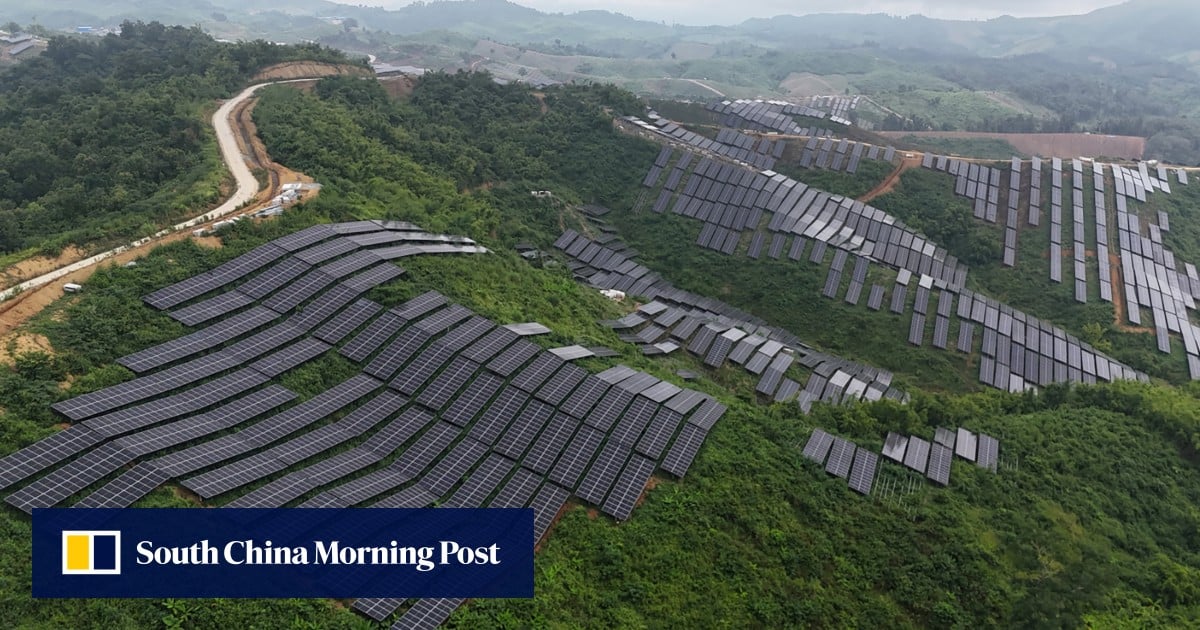
China has activated a major solar project in Laos to mitigate the energy crisis in Southeast Asia, triggered by the US-Israel-Iran war. As the Strait of Hormuz closure spikes fuel costs and disrupts supply chains, Beijing is leveraging renewable infrastructure to position itself as the region’s primary energy guarantor.
The fiscal reality for Southeast Asian markets is grim. The disruption of oil and gas flows through the Strait of Hormuz has created a systemic supply-chain shock, sending fuel prices surging and threatening the operational viability of regional industries. This volatility is not merely a logistical hurdle; it is a balance-of-payments crisis. Governments are now scrambling to hedge against these volatility spikes, often requiring the expertise of geopolitical risk management firms to navigate the fallout of the ongoing Strait of Hormuz campaign.
The economic contagion is most visible in the Philippines. On March 24, Manila declared a state of national energy emergency, a mandate that will remain in force for a full year. The government warned of “imminent danger” to the country’s energy supply, leading to drastic operational shifts. Government offices have moved to a four-day workweek to curb energy consumption, and cash aid has been deployed to transport workers to offset the inflationary pressure on fuel. The risk is now systemic, with warnings that jet fuel shortages could ground aircraft, threatening the liquidity of the aviation sector.
Vietnam is facing a similar crunch. The government has tapped into its fuel price stabilization fund to dampen the blow, yet the outlook remains precarious. Importers have signaled that jet fuel supplies could only be guaranteed through March, forcing airlines to prepare for immediate capacity cuts. This creates a vacuum in regional connectivity and a spike in operational overheads for logistics firms.
Indonesia has opted for a different fiscal lever, vowing to absorb the shock through the state budget via increased subsidies. While this prevents immediate social unrest, it places immense pressure on national reserves and increases the deficit. For corporations operating in these environments, the volatility necessitates a complete overhaul of energy procurement strategies, often leading them to consult with energy infrastructure consultants to diversify their power sources.
The Beijing Pivot: Solar Diplomacy Amidst Fuel Bans
Beijing is playing a sophisticated dual game. While the Foreign Ministry, via spokesperson Lin Jian, has publicly stated China’s willingness to “strengthen coordination and cooperation” to address energy security, the tactical reality is more restrictive. China has simultaneously banned fuel exports, ensuring its own domestic stability while offering “help” in the form of long-term infrastructure projects, such as the newly powered-up solar project in Laos.

This move is a calculated effort to replace Washington’s influence with a model of “reliable partnership” based on energy dependence. By funding and activating renewable projects in Laos, China is not just exporting technology; it is exporting a strategic dependency. The project serves as a tangible hedge against the volatility of the Middle East, providing a blueprint for other Southeast Asian nations to decouple from the unstable Hormuz corridor.
The shift is rapid. The conflict, which began with coordinated US and Israeli airstrikes on February 28, 2026, has effectively rewired the energy map of Asia. The sudden closure of the Strait of Hormuz has forced a desperate, simultaneous pivot: a backward glance toward coal for immediate survival and a forward leap toward nuclear energy and electric vehicles for long-term viability.
The Macro Shift: Three Pillars of Asian Energy Realignment
The current crisis is fundamentally altering the industrial trajectory of the region. The transition is no longer driven by environmental mandates, but by raw survival and fiscal necessity.
- The Forced Diversification of the Energy Mix: The reliance on a single maritime chokepoint has proven fatal. We are seeing a massive capital reallocation toward “bridge fuels” like coal and a renewed urgency in nuclear energy deployment to ensure base-load stability. This transition requires complex legal frameworks, driving a surge in demand for international trade attorneys to handle cross-border energy contracts.
- The Weaponization of Energy Diplomacy: China is leveraging the energy vacuum to cast itself as the “savior” of Southeast Asia. By contrasting its infrastructure investments with the instability caused by the US-Israel war, Beijing is securing long-term geopolitical leverage through the “green” transition.
- The Fiscal Erosion of National Reserves: The use of stabilization funds in Vietnam and state budget subsidies in Indonesia represents a dangerous depletion of liquidity. As these governments burn through reserves to keep the lights on, their credit ratings and borrowing costs are becoming increasingly sensitive to the duration of the Iran conflict.
The market is currently pricing in a prolonged period of instability. The “Twelve-Day War” and subsequent escalations have proven that the traditional energy corridors are no longer guaranteed. This is not a temporary dip in supply; it is a structural break.
As the region pivots toward a mix of Chinese-backed renewables and a return to coal, the winners will be the firms that can manage the transition without collapsing their margins. The energy shock of 2026 has stripped away the illusion of a seamless global supply chain, replacing it with a fragmented landscape of regional blocs and strategic dependencies.
The trajectory is clear: energy security is now the primary driver of capital expenditure in Asia. Investors should look beyond the immediate trading sessions and focus on the coming fiscal quarters, where the ability to secure non-Hormuz energy sources will determine corporate survival. For those seeking to navigate this volatility, finding vetted B2B partners through the World Today News Directory is the only way to ensure operational resilience in an era of permanent crisis.