China, India, and the Middle East: Shifting Alliances After the Iran War
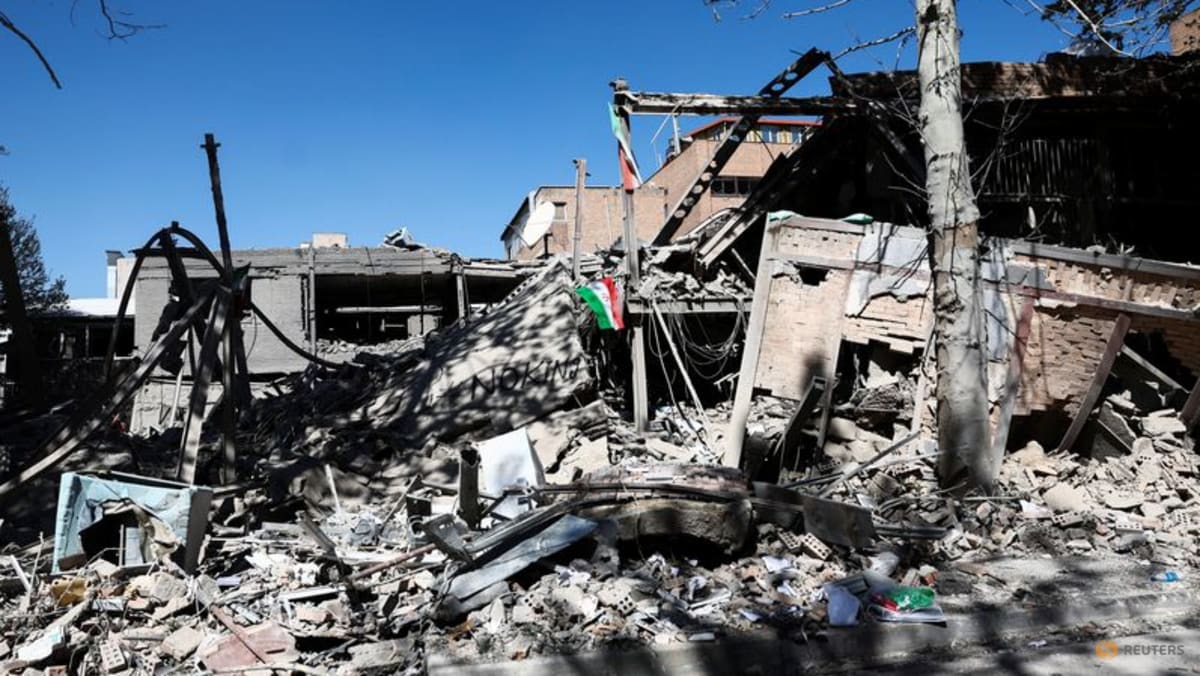
As of June 23, 2026, the conclusion of the Iran war has triggered a strategic realignment across the Middle East. China and India are emerging as primary influence brokers in a post-conflict landscape, challenging historic U.S. military dominance while prioritizing regional maritime security and the stabilization of critical energy supply chains.
The Shift in Regional Power Dynamics
The cessation of hostilities involving Iran has left a power vacuum that traditional security guarantors are struggling to fill. According to analysis from CNA, the “new reality” for the region is characterized by an intensified focus on economic pragmatism over ideological alignment. Beijing and New Delhi, both heavily dependent on Middle Eastern hydrocarbons, are moving to replace Western security frameworks with bilateral trade-and-security pacts.
This transition is not merely diplomatic; it is structural. China, leveraging its Belt and Road Initiative, is positioning its naval assets to protect trade routes that were previously considered the sole purview of the U.S. Fifth Fleet. India, meanwhile, is bolstering its “Look West” policy, seeking to integrate its economy with the Gulf Cooperation Council (GCC) states to ensure energy security.
For corporations operating in these sectors, the environment has become volatile. Companies are increasingly turning to International Trade Consultants to evaluate the shifting risk profiles of port operations and trans-shipment hubs.
Protecting the Suez Canal and Maritime Arteries
The Suez Canal remains the most vulnerable point in global trade, and the recent conflict has forced Egypt to seek new partners to shield the waterway from regional instability. Modern Diplomacy reports that China and Egypt have initiated joint maritime security protocols specifically designed to insulate the canal from the lingering fallout of the Iran war. This represents a significant departure from the historical reliance on Western naval protection.

The move is pragmatic. Egypt’s economy relies heavily on transit fees, and any disruption to the canal’s throughput is an existential threat. By inviting Chinese naval cooperation, Cairo is essentially diversifying its security portfolio.
“The era where regional security was a Western monopoly is effectively over. We are witnessing a transition to a multi-polar security architecture where the highest bidder for stability—or the most reliable trade partner—dictates the rules of the road,” says Dr. Aris Thorne, a senior fellow at the Center for Geopolitical Risk.
Economic Implications for Regional Infrastructure
The pivot toward Asian influence is forcing a rapid redesign of regional infrastructure. Ports from Jebel Ali to Port Said are undergoing technological upgrades to integrate with Chinese and Indian logistics networks. However, this transition comes with significant legal and regulatory hurdles.
Businesses dealing with cross-border infrastructure development are facing a complex web of sanctions compliance and new, often opaque, local oversight laws. Navigating these regional mandates requires specialized expertise. Many firms are now engaging Global Regulatory Legal Counsel to ensure that their infrastructure investments remain compliant with both Western financial standards and the new, shifting regional requirements.
The following table illustrates the diverging priorities of external powers in the region:
| Actor | Primary Strategic Focus | Mechanism of Influence |
|---|---|---|
| China | Maritime Trade Stability | Bilateral Naval Cooperation & Infrastructure Loans |
| India | Energy Security & Diaspora Ties | Trade Agreements & Strategic Maritime Partnerships |
| United States | Counter-Proliferation & Legacy Alliances | Military Presence & Diplomatic Sanction Regimes |
The Challenge of Multi-Polar Security
The U.S. military presence in the Gulf, while still significant, is no longer the sole arbiter of safety. According to U.S. Department of State briefings on regional maritime security, the presence of foreign naval vessels from non-aligned nations complicates de-confliction procedures. When an incident occurs in international waters, the lack of a unified command structure increases the risk of miscalculation.
Local businesses and logistics providers are feeling the strain. The uncertainty surrounding maritime insurance premiums and cargo transit times is driving a surge in demand for risk assessment services. Organizations are increasingly looking toward Maritime Risk Assessment Firms to provide the data-driven insights necessary to continue operations in a fractured security environment.
The reality is that regional stability is no longer a top-down mandate from Washington. It is now a negotiated outcome between regional actors and their new, eastern partners. This is not a temporary adjustment; it is a fundamental shift in how the Middle East interacts with the global economy.
As the regional order continues to calcify into this new, multi-polar arrangement, the primary risk for global stakeholders is not just the conflict itself, but the confusion of overlapping jurisdictions and shifting alliances. Those who fail to adapt their logistical and legal frameworks to this reality risk being sidelined. Engaging with verified, local experts who understand the nuances of these new partnerships is the only way to safeguard interests in a region where the old rules of engagement have been permanently discarded.
Keep reading