
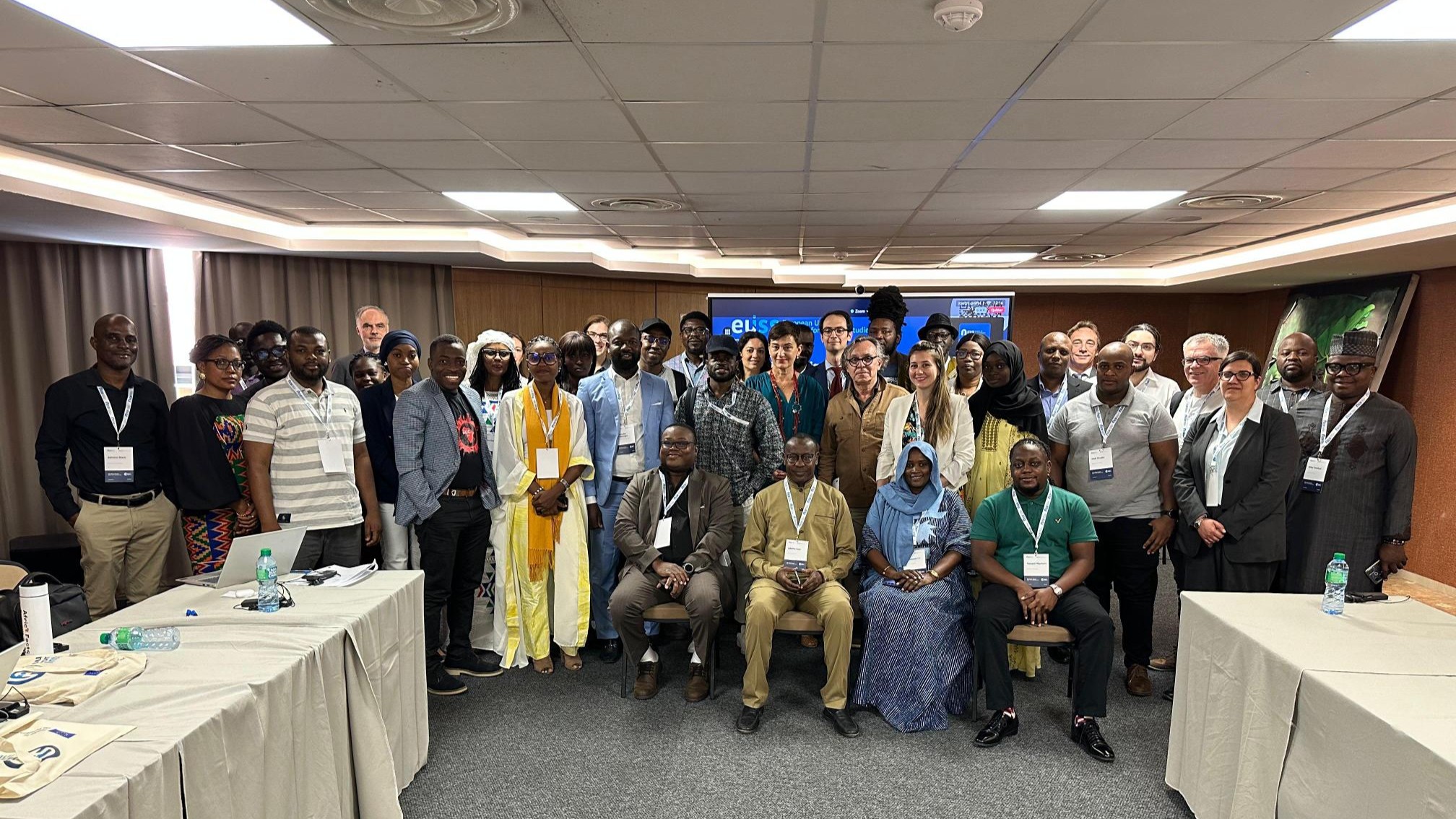
Dakar, Senegal – A forum convened by the European Union Institute for Security Studies (EUISS) and the European University Institute’s School of Transnational Governance (EUI/STG) concluded on February 11, 2026, focusing on the growing threat of foreign information manipulation and interference (FIMI) across the African continent. The Countering Foreign Interference (CFI) project-supported event brought together researchers, national representatives, policy experts, and practitioners from Africa and Europe.
The two-day forum, held in Dakar, addressed the increasing salience of FIMI in Africa, where it intersects with political competition, regional instability, and external influence. Participants examined how information manipulation campaigns exploit local information environments, a phenomenon that remains under-researched despite its growing impact. Discussions centered on methodologies for studying FIMI, emerging trends, and the development of evidence-based policy measures.
A key theme emerging from the discussions was the gap in systematic, comparative, and real-time analysis of information manipulation in Africa. Participants highlighted challenges related to data access, limited resources, and concerns for personal safety as obstacles to comprehensive research. The forum underscored the need for enhanced collaboration between African and European researchers to address these challenges and foster mutual learning.
The EUISS, established in 2002 and based in Paris, serves as the EU’s foreign and security policy think tank, providing analysis and facilitating dialogue to inform policy decisions. According to the EUISS website, its mission is to analyze, inform, and connect the worlds of research and policymaking. The forum aligns with this mission by fostering a space for open exchange and the development of shared understandings.
Participants explored similarities and differences in analytical frameworks used across African countries, drawing comparisons with European experiences. The dialogue likewise revealed shared constraints faced by researchers in both regions, emphasizing the potential benefits of deeper cross-regional collaboration. The relationship between independent research and effective policy responses was a central focus, with discussions on how evidence-based research can inform initiatives such as media literacy programs, fact-checking efforts, and broader capacity-building projects.
The forum also emphasized the importance of considering linguistic and cultural diversity, varying levels of digital literacy, and uneven internet penetration when designing and evaluating policy measures aimed at countering information manipulation. These factors, participants noted, are crucial for ensuring that interventions are context-sensitive and effective.
The CFI Africa Forum represents a component of the broader CFI project, which aims to deepen dialogue between African and European research communities, national partners, and EU Member States. The project seeks to support more informed, cooperative, and value-based responses to foreign interference and information manipulation in a rapidly evolving global landscape. As of February 12, 2026, the EUISS has not released a public statement detailing specific policy recommendations resulting from the forum’s discussions.
