
Cervical Cancer Incidence Declines in Ireland as HPV Vaccination Coverage Drops
Cervical cancer incidence rates in Ireland have declined even as coverage for the preventative human papillomavirus vaccination program dropped among young adolescents, according to official figures published in November 2026.
The average annual rate dropped to 10.2 new cases per 100,000 women between 2022 and 2024, down from 11 per 100,000 women in the 2021–2023 period, the Irish Medical Times reported.
The World Health Organization defines the elimination of cervical cancer as falling below four new cases per 100,000 women annually. Based on European standards, Ireland’s rate sits at 10.2 per 100,000, while calculations using the World Female Population 2015 standard showed the rate fell from 9.0 to 8.1 across the comparable periods, reaching 7.5 in 2024. The HSE progress report indicated that Ireland remains on schedule to meet the elimination threshold by 2040.
However, the new report highlighted a concurrent drop in adolescent inoculation rates. In 2024, exactly 81.2 per cent of girls aged 14 received the HPV vaccine, representing a 2.8 per cent decrease from 2022 levels. Among boys of the same age, just over three in four received the injection during the same period. Public health officials said that uptake remains below the World Health Organization target of 90 per cent coverage among girls.
“HPV vaccination rates have fallen 2.8 per cent since 2022 among girls, with lower uptake in DEIS schools than in non-DEIS schools,” said Dr Colm Henry, HSE chief clinical officer, in his foreword to the report.
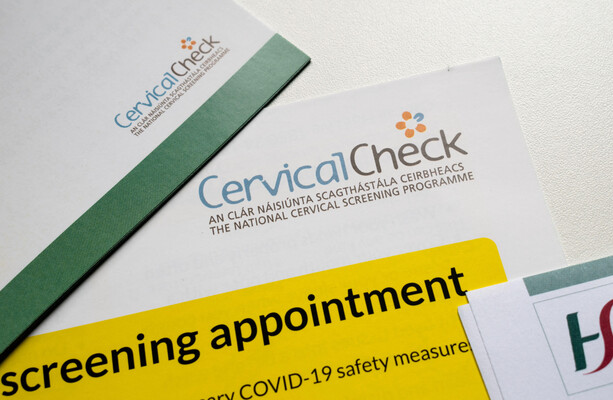
Screening coverage meets international benchmarks
Screening coverage and prompt medical interventions continue to meet or exceed international benchmarks. The report said that approximately three-quarters of eligible women underwent screening within the five years leading to the end of 2024. Almost 97 per cent of women diagnosed with cervical cancer between 2018 and 2022 received treatment within one year.
Professor Noirin Russell, clinical director of CervicalCheck, pointed to broader availability across non-traditional healthcare settings as a key driver for maintaining access. “Screening is now available through 37 additional services, up from 8 in 2023. These include sexual health services, prisons, student health services and services supporting women experiencing homelessness,” Russell told thejournal.ie.
Russell also emphasized that clinical surveillance must continue alongside preventative measures. “Vaccination and screening will not prevent every cervical cancer from developing, so please continue to be aware of symptoms, and contact your GP so that you can get the care you need as early as possible,” Russell said.
Oversight committee monitoring 2040 targets
Reaching the 2040 elimination goal requires sustained administrative coordination across regional health boards. The Cervical Cancer Elimination Oversight Committee will track ongoing metrics, incorporating a Regional Executive Officer representative to bridge national guidelines with local execution. Dr Caroline Mason Mohan, recently retired director of public health with the National Screening Service, said that community engagement remains central to addressing regional disparities in vaccination and screening uptake.
“We will continue to track progress and work with national, regional and community partners towards Ireland’s 2040 ambition: an Ireland where cervical cancer is rare in every community,” the report said.
The Health Service Executive (HSE) replaced ten regional Health Boards and the Eastern Regional Health Authority when it was established by the Health Act 2004 and began operations on 1 January 2005. It oversees the publicly funded healthcare system in Ireland, including national programmes such as CervicalCheck.
Disclaimer: The information provided in this article is for educational and scientific communication purposes only and does not constitute medical advice. Always consult with a qualified healthcare provider regarding any medical condition, diagnosis, or treatment plan.