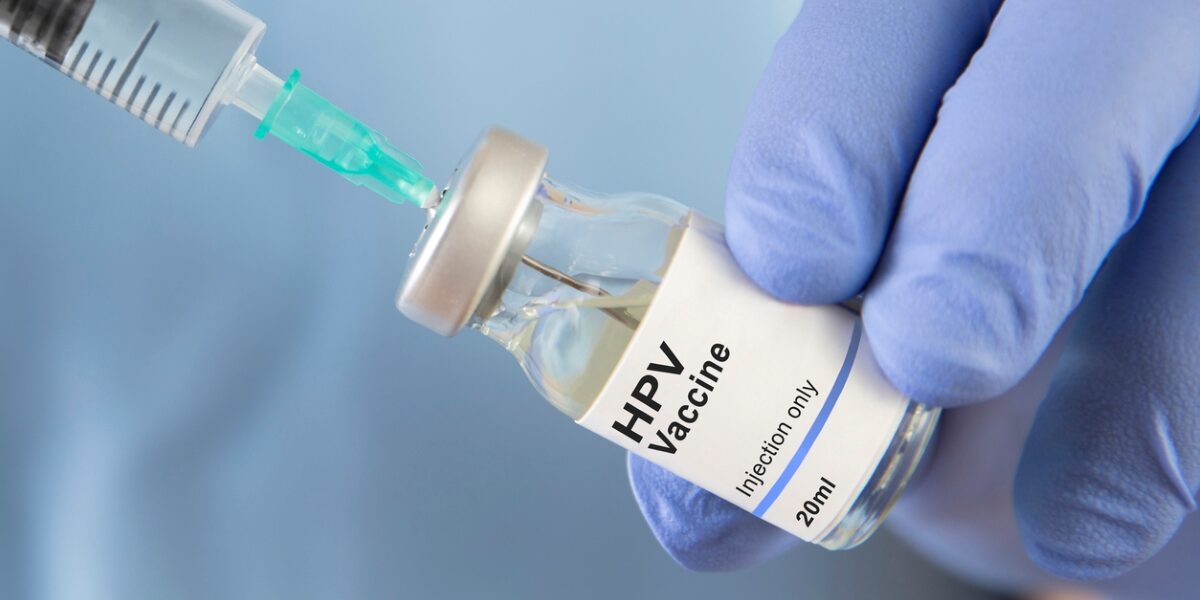
India Surpasses 1 Crore HPV Vaccine Doses, Hits 87% Coverage
India has surpassed the 1 crore dose milestone for Human Papillomavirus (HPV) vaccinations, achieving nearly 87% coverage of the target cohort in less than nine months since the national campaign launched in February 2026.
This initiative aims to mitigate the burden of cervical cancer by providing a single-dose vaccine to 14-year-old girls at government health facilities, according to the Ministry of Health and Family Welfare.
- The campaign has successfully administered over 10 million doses to 14-year-old girls, reaching approximately 87% of the annual target population of 1.2 crore.
- Six states—Gujarat, Uttar Pradesh, Andhra Pradesh, Mizoram, Madhya Pradesh, and Bihar—have achieved 100% coverage of their identified target cohorts.
- The program utilizes the U-WIN digital platform for real-time beneficiary tracking, vaccine stock management, and the issuance of digital immunization certificates.
Regional Progress and Vaccination Coverage
While the national average stands at 87%, implementation rates vary across India’s diverse administrative regions. Six states have reached full coverage of their identified target populations, as reported by the Ministry of Health and Family Welfare. Other high-performing states include Assam at 95.63%, Telangana at 95.28%, Karnataka at 93.16%, and Uttarakhand at 90.17%.
The scale of the rollout is concentrated in high-population states, with Uttar Pradesh leading in absolute volume by vaccinating more than 29.33 lakh girls, followed by Bihar with 13.70 lakh and Gujarat with 7.75 lakh doses administered. Conversely, some regions face implementation hurdles. Reporting from The Indian Express indicates that as of mid-November, Maharashtra had reached 9% of its target, with local disparities showing Wardha at 25% coverage while Mumbai recorded 2% uptake.

| Region | Reported Coverage (%) |
|---|---|
| Gujarat, UP, AP, Mizoram, MP, Bihar | 100% |
| Assam | 95.63% |
| Telangana | 95.28% |
| Karnataka | 93.16% |
| Uttarakhand | 90.17% |
| Maharashtra | 9% |
Campaign Targets Girls Before Viral Exposure
Cervical cancer is primarily driven by persistent infection with high-risk strains of the HPV virus. By targeting 14-year-old girls, the national campaign seeks to provide immunological protection prior to potential viral exposure. According to the Ministry, the program relies on global scientific data from over 800 million doses administered internationally, which demonstrate strong protection against vaccine-targeted HPV types and associated precancerous lesions.
Safety monitoring is integrated into the operational framework. Vaccination sessions are conducted at government facilities under the supervision of medical officers, with protocols in place to manage Adverse Events Following Immunization (AEFI).
As of October 14, the U-WIN platform recorded 146 minor, serious, or severe adverse events from a total of 91.82 lakh doses administered, as noted by The Indian Express. All sites are linked to 24-hour healthcare centers to ensure immediate clinical response if required.
U-WIN Platform Tracks Coverage Gaps in Real-Time
The U-WIN digital platform serves as the backbone for the campaign, enabling district-level monitoring and beneficiary registration. This infrastructure allows program managers to identify coverage gaps in real-time and allocate resources accordingly. Parents can use the platform to schedule appointments and retrieve digital vaccination records, a feature designed to enhance transparency and accessibility.

Frontline healthcare workers, including Accredited Social Health Activists (ASHAs) and Auxiliary Nurse Midwives (ANMs), have been essential in facilitating community engagement. These teams work alongside pediatricians and gynecologists to provide evidence-based information to parents, which is critical for securing voluntary, informed consent. Such outreach efforts are intended to address public concerns regarding vaccine safety and to counter misinformation that may impede uptake in rural or geographically remote areas.
Future Trajectory of Cervical Cancer Prevention
The Ministry of Health and Family Welfare continues to coordinate with state governments to bridge existing gaps and move toward universal coverage of the eligible adolescent population. While the current milestone represents an important advancement in preventive oncology, health authorities emphasize that the long-term success of the program depends on sustaining community trust and ensuring equitable access across all socioeconomic strata.
For families seeking further information on immunization schedules or clinical guidance, consulting with local public health officers or certified pediatricians remains the recommended path to ensure timely protection.
Disclaimer: The information provided in this article is for educational and scientific communication purposes only and does not constitute medical advice. Always consult with a qualified healthcare provider regarding any medical condition, diagnosis, or treatment plan.