
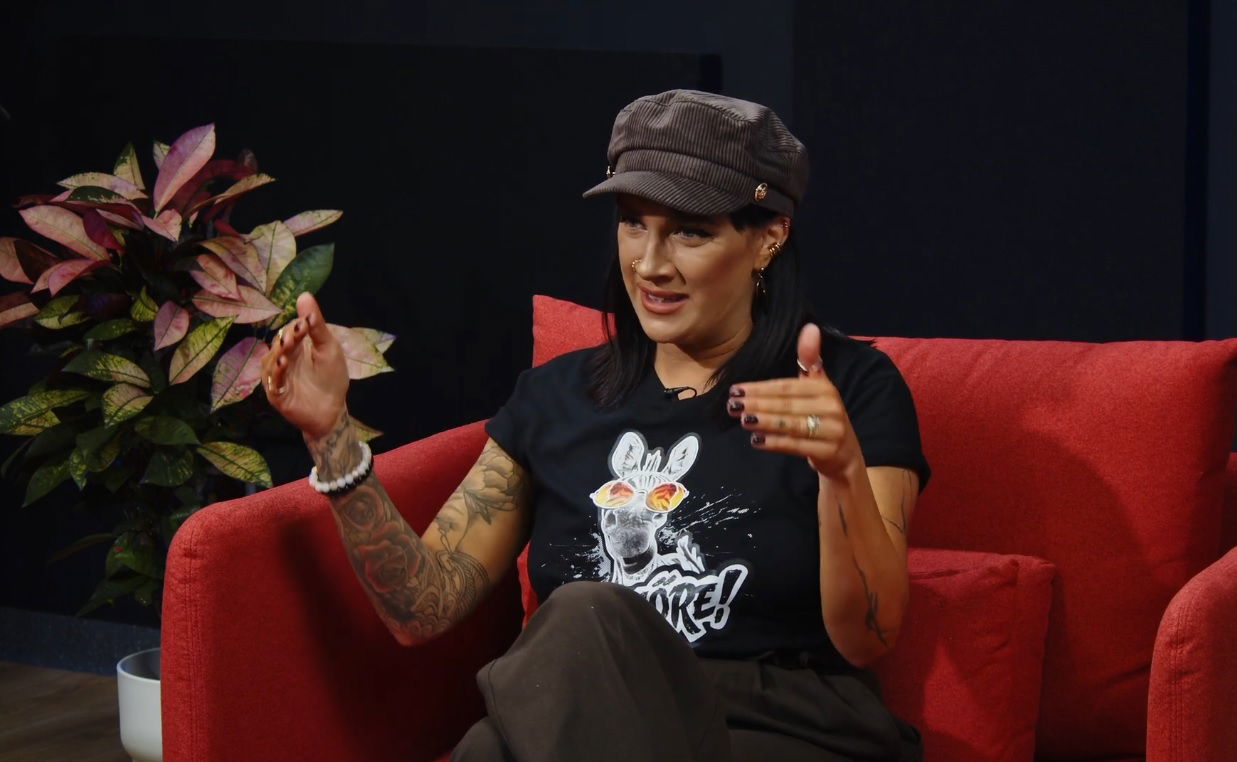
Budapest – As Hungary approaches upcoming elections, a growing number of public figures are openly aligning themselves with political parties, a trend exemplified by singer Tóth Gabi’s recent revelations about past workplace experiences. The increased visibility of celebrities in the political discourse is prompting discussion about the evolving role of public figures in shaping public opinion.
Tóth Gabi, a prominent Hungarian singer, detailed a past incident during an appearance on the “Hotel Lentulai” podcast, hosted by Krisztián Lentulai. She recounted an experience during her time at RTL Hungary, alleging that a former manager subjected her to repeated humiliation, culminating in a particularly demeaning encounter after she declined to participate in a program she considered substandard. According to Tóth Gabi, the manager told her, “You are what I picked up from the floor, a speck of dust,” and alluded to her potential return to a panel housing estate in Tapolca, suggesting her career depended entirely on his favor.
The singer described the incident as triggering a recurrence of her panic disorder. However, she as well highlighted the support she received from Sándor Friderikusz, who she referred to as “Fridi,” who publicly rebuked the manager’s behavior. Tóth Gabi expressed lasting gratitude for Friderikusz’s intervention.
This personal account has resonated within the broader context of the election campaign, drawing attention to issues of power dynamics, vulnerability, and the importance of public accountability. The sharing of such experiences by well-known figures adds a new dimension to the political conversation, moving beyond policy debates to address personal narratives and their implications.
The involvement of influencers and celebrities in political messaging is not a new phenomenon, as noted in a recent article by WMN, but the current campaign season appears to be characterized by a more deliberate and organized approach. The article highlights the question of whether these figures are becoming “influencer politicians” or “politicians becoming influencers,” particularly as they target specific demographics, such as middle-aged women.
The 2022 election campaign, as described in reporting from HVG, was marked by a wide spectrum of communication tactics, ranging from campaign slogans to negative campaigning. The use of slogans, in particular, has been a consistent feature of Fidesz’s political strategy, though some observers have criticized the lack of creativity in their messaging. The article also notes a previous SMS campaign and potential fines for opposition parties.
The trend of celebrities engaging in political discourse is occurring against a backdrop of increasing public interest in the personal lives of public figures, as evidenced by the attention given to figures like Magyar Péter. The intersection of celebrity, politics, and personal narratives is likely to continue shaping the Hungarian political landscape in the lead-up to the elections.
