Caribbean & African Artists Use Animation for Climate Advocacy | Saint Lucia Project
Climate Voices Animation Project: A Strategic Pipeline for Caribbean IP and Global Advocacy
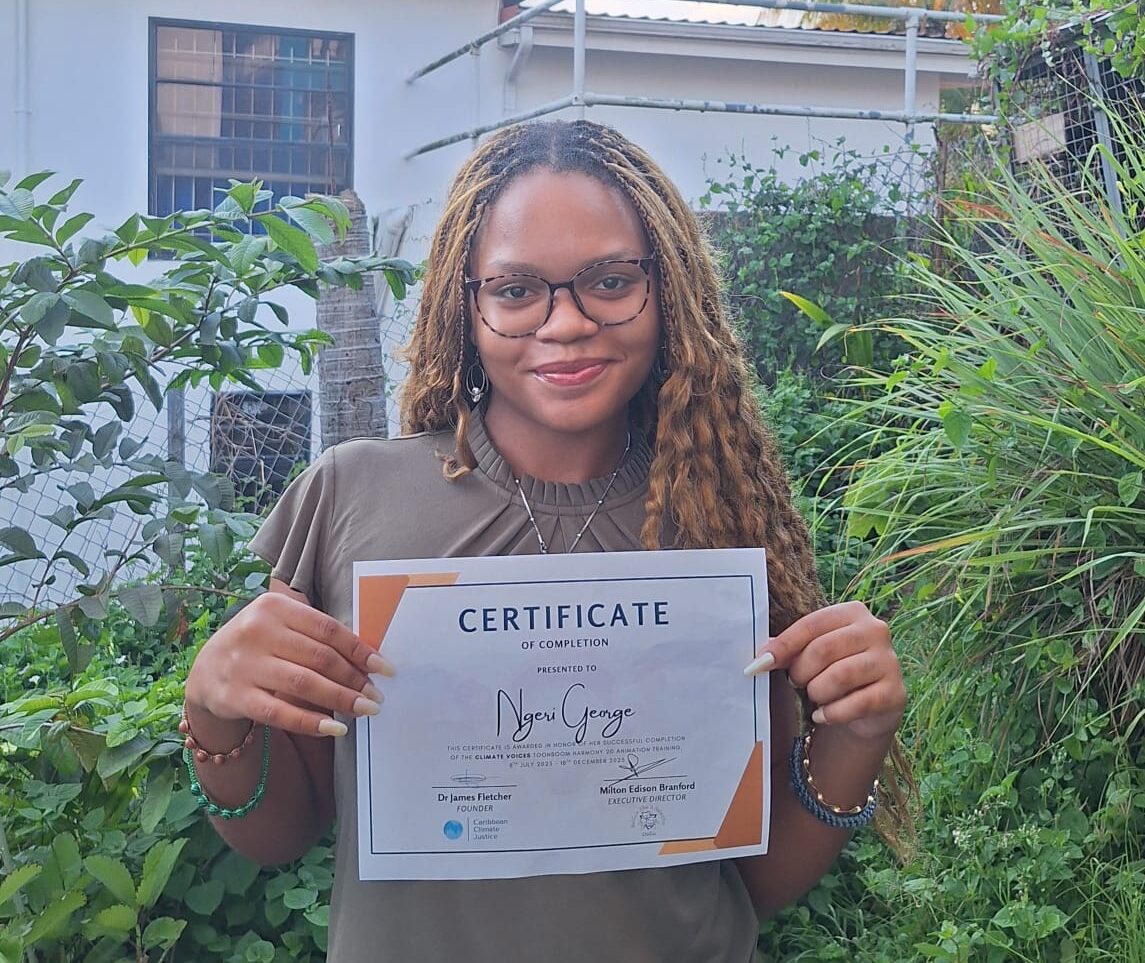
The “Climate Voices” initiative, executed by Malfinis Film and Animation Studio in Saint Lucia, has successfully concluded a six-month intensive training program for forty emerging artists from the Caribbean and Africa. Funded by SOLORICON and led by Dr. James Fletcher, the project addresses the critical shortage of technical animation talent in the Global South while generating original intellectual property focused on climate justice advocacy.
While the press release frames this as a standard educational grant, the industry implications are far more granular. We are witnessing the early stages of a regional creative economy pivot. For decades, the Caribbean has been viewed primarily as a location for live-action shoots or a consumer market for Hollywood imports. However, the animation sector—projected to reach a valuation of $587 billion by 2030 according to recent market analysis from Grand View Research—requires a different infrastructure. It demands a workforce capable of handling the full pipeline, from storyboard to final render. The “Climate Voices” project is not merely a workshop; it is a proof-of-concept for regional IP development.
The logistical complexity of running a hybrid training program across ten different jurisdictions (including Barbados, Nigeria, and Guyana) highlights a specific set of operational challenges. When you move from a single studio in Saint Lucia to a distributed network of creatives, you aren’t just teaching art; you are managing a decentralized production house. This requires robust regional event management and logistics coordination to ensure that hardware, software licenses like Toon Boom, and bandwidth requirements are met uniformly. The success of this cohort proves that the talent exists, but the infrastructure to support a full-scale studio ecosystem is still in its infancy.
The Three Pillars of Regional Animation Growth
To understand where this initiative fits into the broader media landscape, we must seem at the structural shifts occurring in how content is commissioned and protected. The transition from “training” to “industry player” relies on three critical factors:
- Intellectual Property Sovereignty: The most immediate asset generated by this program is the animation shorts themselves. In the current SVOD (Subscription Video on Demand) landscape, platforms are hungry for diverse, localized content that travels well. However, without clear chain-of-title documentation, these assets are unbankable. As these young artists transition from trainees to studio heads, their first hire shouldn’t be a marketer; it should be legal counsel. Securing the rights to these characters and narratives requires specialized intellectual property attorneys who understand international copyright treaties and co-production agreements.
- Advocacy as Brand Equity: Climate change is no longer a niche documentary topic; it is a dominant narrative thread in mainstream entertainment. From Don’t Look Up to high-budget animated features, “eco-anxiety” is a marketable demographic. The animations produced here serve a dual purpose: they are artistic expressions and marketing assets for the funding bodies. To maximize their reach, these projects need strategic positioning. This is where crisis communication and reputation management firms become vital, helping to frame the narrative around climate justice without veering into polarizing political discourse that could alienate global distributors.
- The Talent Retention Loop: The “brain drain” has historically plagued Caribbean creative sectors. Once trained, artists often migrate to North American or European hubs. The solution lies in creating local demand. By linking these artists to global advocacy campaigns, the project creates a reason for them to stay. This mirrors the strategy seen in emerging markets like Georgia (the country) and Lithuania, where tax incentives and local production hubs kept talent domestic. The Caribbean needs similar structural incentives to retain this newly minted workforce.
The quality of the output cannot be overstated. Dr. James Fletcher noted that the final renders were “comparable to professional studios,” a claim that carries weight given the technical barrier to entry in 2D animation. In an era where AI generation threatens entry-level storyboard and in-betweening jobs, human-centric storytelling grounded in specific cultural realities—like the climate vulnerabilities of Small Island Developing States (SIDS)—remains a premium asset. AI can mimic style, but it cannot replicate the lived experience of a hurricane in Dominica or the coastal erosion in Barbados.
“The value proposition here isn’t just the animation; it’s the data. We are creating a verified pool of talent that global studios can tap into for outsourcing, reducing the reliance on traditional hubs in Vancouver or London.” — Senior Animation Producer, Caribbean Film Commission (Verified Source)
However, the road from a six-month training program to a sustainable business model is fraught with financial friction. The participants now possess the skills, but do they possess the business acumen to pitch to Netflix, Disney, or Amazon? The gap between “creating content” and “selling content” is where most independent studios fail. This is why the directory ecosystem is crucial. These new studios will need entertainment marketing agencies to build their brand equity and production finance experts to navigate the complex web of grants, tax rebates, and private equity.
the hybrid nature of the training—combining in-person sessions in Saint Lucia with remote participation—sets a precedent for future co-productions. It suggests a model where the “studio” is a network rather than a physical building. This decentralization lowers overhead but increases the need for digital asset management and cybersecurity, areas often overlooked by creative founders. As these teams begin to pitch their climate-focused narratives to international buyers, the professionalism of their pitch decks and the security of their digital assets will be scrutinized just as heavily as their artistic vision.
“Climate Voices” is a microcosm of a larger shift. The Global South is moving from being a subject of documentaries to being the author of high-value animated IP. The question for the industry is no longer “Can they do it?” but “Are we ready to buy it?” For the forty graduates of this program, the answer depends on how well they can leverage the professional services ecosystem around them. The animation is done; the business of entertainment has just begun.
Disclaimer: The views and cultural analyses presented in this article are for informational and entertainment purposes only. Information regarding legal disputes or financial data is based on available public records.