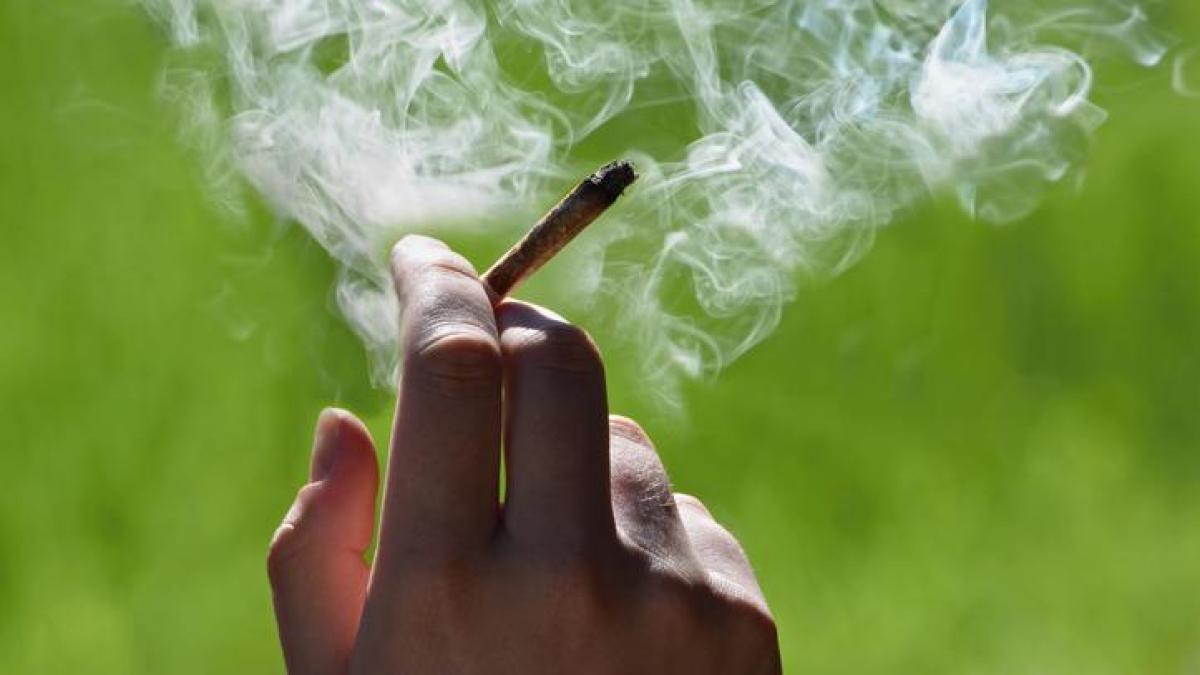
Cardiologists Warn Cannabis Increases Heart Attack Risk Sixfold and Stroke Risk by 40%
The intersection of recreational substance use and acute cardiovascular pathology is undergoing a rigorous clinical reassessment. Recent data highlighted by La Gazzetta dello Sport regarding the physiological impact of cannabis consumption—specifically concerning myocardial infarction and stroke incidence—demands a shift in how clinicians approach patient history and cardiovascular risk stratification. As public health policies evolve, the medical community must confront the objective reality of these systemic risks.
Key Clinical Takeaways:
- Cannabis use is associated with a statistically significant increase in the incidence of acute myocardial infarction and ischemic stroke.
- The observed risk elevation suggests a multi-factorial mechanism, potentially involving sympathetic nervous system activation and localized endothelial dysfunction.
- Patients with pre-existing cardiovascular comorbidities require stringent risk counseling, as the standard of care for substance use screening is increasingly integrated into primary cardiology consultations.
The Pathogenesis of Cannabis-Induced Cardiovascular Stress
The clinical concern regarding cannabis consumption stems from the activation of cannabinoid receptors (CB1 and CB2) throughout the cardiovascular system. When exogenous cannabinoids enter the bloodstream, they induce acute hemodynamic shifts, including tachycardia and fluctuations in blood pressure, which can exacerbate underlying coronary artery disease. According to research published in the Journal of the American Heart Association, the potential for triggered myocardial events is not merely anecdotal; it is a measurable epidemiological trend. The biological mechanism likely involves a rapid increase in myocardial oxygen demand coupled with potential coronary vasospasm, a phenomenon that poses a critical threat to patients with limited coronary reserve.
The reported risk profile—specifically the significant elevation in myocardial infarction and the substantial increase in stroke incidence—points toward a systemic inflammatory response and altered coagulation profiles. For the practicing physician, this underscores the necessity of detailed patient history-taking. Patients presenting with unexplained palpitations or chest discomfort should be evaluated by board-certified cardiologists who are equipped to conduct comprehensive stress testing and advanced imaging to rule out structural triggers.
Epidemiological Evidence and Research Funding
Modern clinical research in this domain often faces the challenge of isolating cannabis use from other lifestyle variables. However, longitudinal studies—many of which have been supported by institutional grants from the National Institutes of Health (NIH)—have begun to clarify these associations. By utilizing large-scale patient registries, researchers have successfully adjusted for confounding factors such as tobacco use and socioeconomic status to isolate the specific impact of cannabinoid exposure on vascular health.
“The cardiovascular system is highly sensitive to the sympathomimetic effects of cannabis. When we observe a six-fold increase in infarction risk, we are seeing the clinical manifestation of acute hemodynamic instability in vulnerable vascular beds,” notes a leading vascular epidemiologist.
This data is not intended to incite panic but to mandate clinical awareness. As the prevalence of cannabis use rises, the standard of care must adapt. Hospitals and private practices are now tasked with updating their electronic health record (EHR) screening protocols to accurately capture substance use patterns. Facilities struggling to integrate these complex screening algorithms into their existing workflows are increasingly consulting with healthcare compliance attorneys to ensure that data collection adheres to evolving regional privacy regulations while maintaining high-quality patient care standards.
Clinical Triage and the Future of Risk Management
The transition from abstract clinical research to bedside practice requires a structured approach to patient triage. If a patient presents with a history of hypertension, hyperlipidemia, or diabetes, the addition of cannabis use to their profile shifts them into a higher-risk category for acute ischemic events. The goal of current research is to develop predictive markers that can identify which patients are at the highest risk of adverse outcomes, allowing for proactive intervention before a cardiovascular event occurs.
For those currently managing patients with high cardiovascular risk, the immediate priority is education. Effective communication regarding the specific risks of substance-induced vasospasm is essential for long-term morbidity reduction. If you are a healthcare provider seeking to refine your diagnostic toolkit for these high-risk patients, it is recommended to connect with accredited diagnostic centers that specialize in non-invasive cardiovascular imaging and biomarker analysis.

The trajectory of this research suggests that cannabis will increasingly be viewed through the same lens as other known pharmacological triggers of cardiovascular stress. Future studies will likely focus on the dose-response relationship and the impact of delivery methods (e.g., inhalation versus ingestion) on cardiac outcomes. As we await further Phase IV observational data, the clinical mandate remains clear: objective risk assessment and patient-centered counseling are the primary defenses against preventable cardiovascular morbidity.
Disclaimer: The information provided in this article is for educational and scientific communication purposes only and does not constitute medical advice. Always consult with a qualified healthcare provider regarding any medical condition, diagnosis, or treatment plan.