
Ancient Predator Unearthed in Uzbekistan Rewrites Dinosaur History
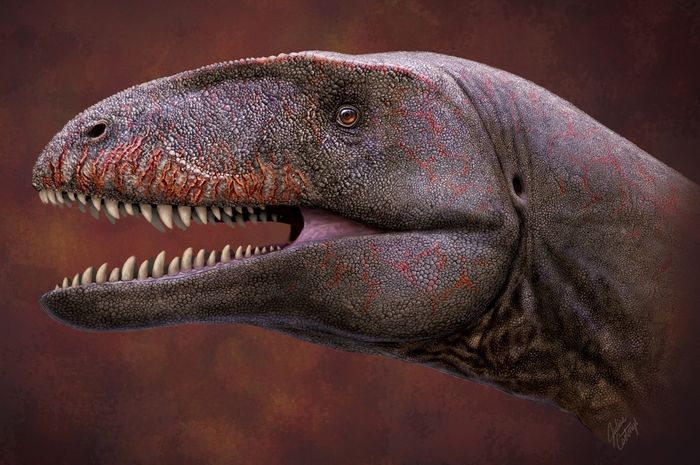
KYZYLKUM DESERT, UZBEKISTAN – A newly discovered dinosaur species, U. uzbekistanensis, is challenging long-held assumptions about the reign of tyrannosaurs. Fossil fragments unearthed in the Kyzylkum Desert of Uzbekistan reveal a large, shark-toothed predator that dominated Central Asia approximately 90 million years ago – long before Tyrannosaurus rex rose to prominence. This finding represents the earliest known close relative of the carcharodontosaurids, a group of massive predators that once rivaled tyrannosaurs for global dominance.
For decades, the evolutionary story of tyrannosaurs has been largely centered on Laurasia, with limited fossil evidence from regions like Central Asia. U. uzbekistanensis fills a critical gap in our understanding of dinosaur evolution, demonstrating that carcharodontosaurids were thriving in Asia during a period previously thought to be dominated by early tyrannosauroids. The discovery offers crucial insight into the transition of predatory dominance from carcharodontosaurids to tyrannosaurids, perhaps revealing why the former eventually ceded their position.
The fossils,found within a 90-million-year-old geological formation,include fragments of the upper jaw showcasing distinctive,serrated teeth resembling those of sharks – a hallmark of carcharodontosaurids. This species coexisted with a diverse range of dinosaurs, including duck-billed dinosaurs, sauropods, and horned dinosaurs.
While other instances of tyrannosaur and carcharodontosaur fossils existing alongside each other have been documented, U. uzbekistanensis represents the oldest known relationship. Paleontologists believe this discovery will help refine the timeline of the predator handover, shedding light on the factors that allowed tyrannosaurs to ultimately become the apex predators of the Late Cretaceous period.
U.uzbekistanensis was significantly smaller than T. rex, estimated to weigh around 170 kg and reach a length of no more than 4 meters. Despite its relatively modest size, researchers note it would have been considered a formidable predator by modern standards. The question of why carcharodontosaurids ultimately lost their top predator status remains unanswered, and further research is planned to investigate this evolutionary puzzle.
