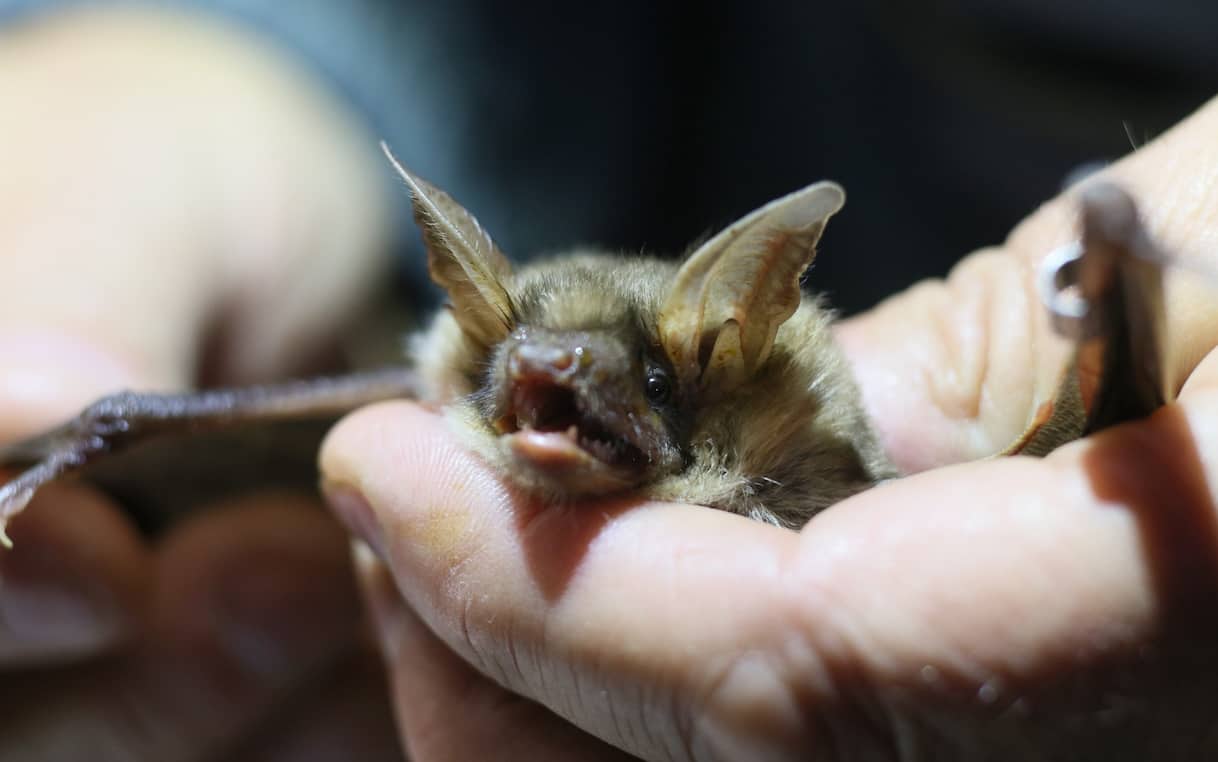
Canadian Boy Dies of Rabies After Bat Lands on Face During Sleep
An 11-year-old boy in Canada died from rabies after waking up with a bat on his face, according to reports from Sky TG24 and Adnkronos. The child contracted the virus despite the absence of visible bite marks, highlighting the danger of nocturnal wildlife exposure during sleep.
-
Key Clinical Takeaways:
- Rabies is nearly 100% fatal once clinical symptoms manifest.
- Microscopic punctures from bat bites can go unnoticed by caregivers.
- Immediate post-exposure prophylaxis (PEP) is the only way to prevent death after exposure.
The case underscores a critical gap in public health awareness regarding the pathogenesis of the rabies virus. In this instance, the child woke up to find a bat on his face, but the family observed no obvious wounds. Because the rabies virus travels via retrograde axonal transport from the site of inoculation to the central nervous system, the lack of a visible wound often leads to a fatal delay in seeking medical intervention.
Why are bat bites often missed?
Bat teeth are exceptionally small and sharp, often leaving punctures that are virtually invisible to the naked eye. According to the World Health Organization (WHO), any direct contact with a bat—especially if a person wakes up in a room with one—must be treated as a potential exposure. The absence of a wound does not rule out the transmission of the virus.
When the virus enters the body, it remains in the muscle tissue for a period before migrating to the brain. This window is the only time the condition is treatable. Once the virus reaches the brain and triggers encephalitis, the morbidity rate becomes absolute. For families and guardians, the failure to recognize these microscopic injuries represents a significant regulatory and educational hurdle in pediatric emergency care.
The rabies virus is a lethal zoonotic pathogen. Because the incubation period can vary, the window for post-exposure prophylaxis is narrow but critical. If a patient is found asleep in a room with a bat, the standard of care dictates immediate vaccination regardless of whether a bite is visible.
What is the standard of care for rabies exposure?
The current medical consensus for rabies prevention involves a two-pronged approach: the administration of rabies immune globulin (RIG) and a series of rabies vaccines. RIG provides immediate antibodies to neutralize the virus at the wound site, while the vaccine stimulates the body’s own immune system to produce long-term protection.

According to the Centers for Disease Control and Prevention (CDC), these treatments must be administered as soon as possible after exposure. In the case of the 11-year-old in Canada, the delay in diagnosis—likely caused by the lack of visible injury—meant that the virus had already progressed past the point where PEP could be effective.
For parents and healthcare providers managing potential wildlife encounters, rapid triage is essential.
How does the rabies virus affect the brain?
The rabies virus targets the nervous system, causing acute inflammation of the brain and spinal cord. This process, known as encephalomyelitis, leads to the characteristic symptoms of the disease, including hydrophobia (fear of water), agitation, and eventual coma. Because the virus evades the initial immune response by hiding in nerve cells, the body does not realize it is under attack until the virus reaches the brain.
Research published via PubMed indicates that the severity of the disease depends on the proximity of the bite to the brain; bites to the head or neck result in shorter incubation periods and faster onset of symptoms compared to bites on the extremities.
Medical facilities and diagnostic centers must remain vigilant in screening patients who present with unexplained neurological symptoms. To avoid diagnostic bottlenecks, hospitals are increasingly integrating [Advanced Neurological Diagnostic Centers] into their emergency workflows to differentiate rabies from other forms of acute encephalitis.
Preventing future tragedies through public health
The tragedy of this 11-year-old’s death serves as a stark reminder that rabies is not a disease of the past, but a persistent threat in wildlife populations across North America. Public health agencies emphasize that the “no visible wound” narrative is a dangerous misconception. The only safe assumption when a bat is found in a sleeping area is that an exposure has occurred.
The trajectory of rabies research is now shifting toward the development of monoclonal antibodies that can be administered more flexibly than traditional RIG. However, until such breakthroughs are integrated into the global standard of care, the focus remains on early detection and rapid vaccination.
Ensuring that children are protected requires a combination of environmental vigilance and immediate clinical action. To ensure the highest level of care and adherence to the latest WHO and CDC guidelines, families should maintain a relationship with vetted [Pediatric Emergency Care Providers] who are trained in zoonotic disease protocols.
Disclaimer: The information provided in this article is for educational and scientific communication purposes only and does not constitute medical advice. Always consult with a qualified healthcare provider regarding any medical condition, diagnosis, or treatment plan.