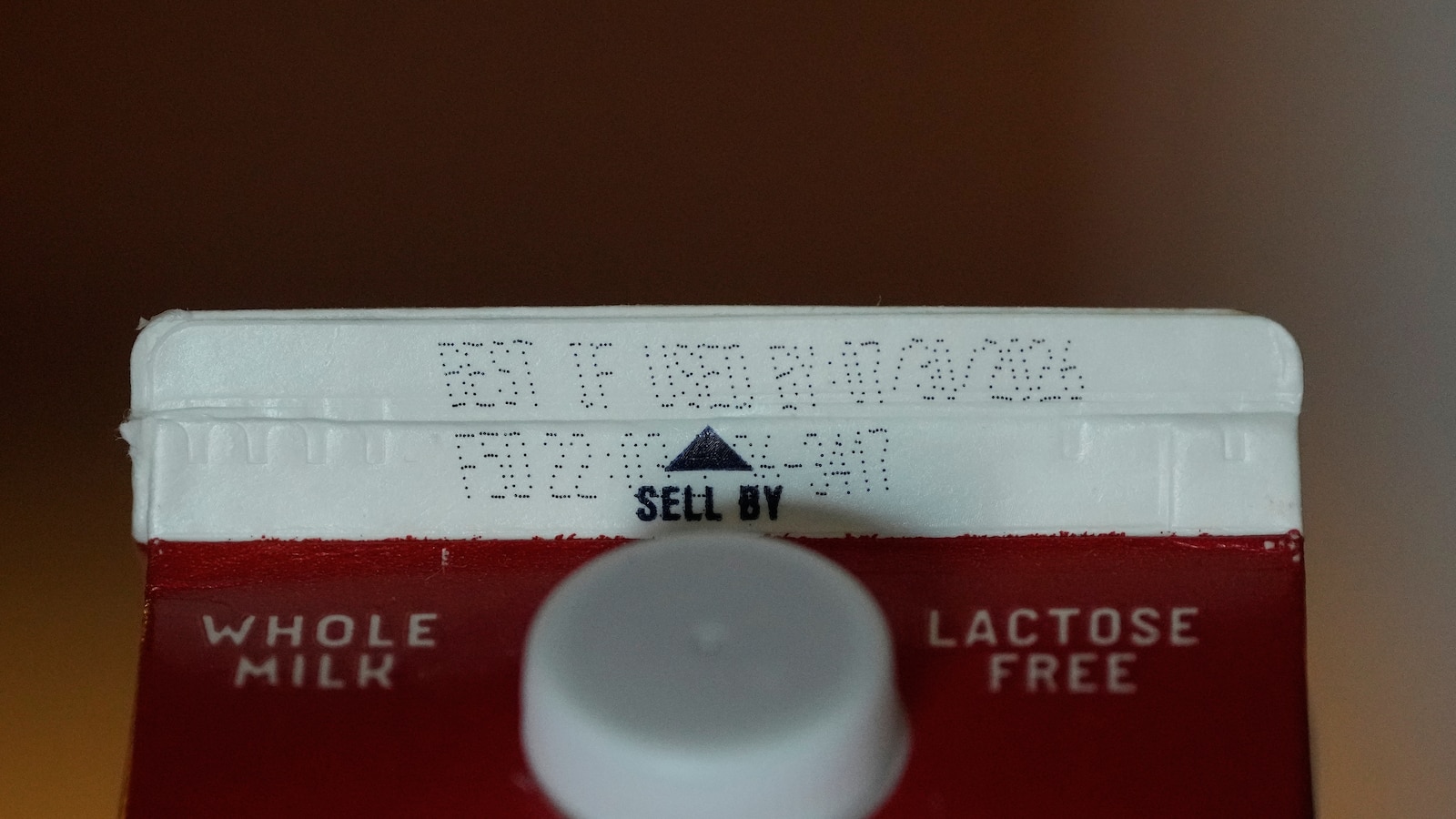
California to Ban Confusing ‘Sell By’ Dates on Food Labels
California has banned “sell by” dates on food labels to reduce consumer confusion and minimize food waste, according to ABC News. The new regulation targets labels that mislead shoppers into discarding safe food, shifting the focus toward “use by” or “best if used by” dates to clarify quality versus safety.
The move addresses a systemic failure in food labeling where “sell by” dates functioned as a tool for inventory management rather than a safety warning. For years, consumers have treated these dates as hard expiration deadlines. They aren’t.
This confusion creates a massive economic and environmental burden. When a household tosses a carton of milk because it hit a “sell by” date, they are discarding a product that is often still safe for consumption. This behavior contributes to the millions of tons of organic waste entering California landfills annually, where they release methane, a potent greenhouse gas.
Why “Sell By” Dates Caused Widespread Food Waste
Retailers used “sell by” dates to ensure product rotation and freshness on shelves. However, the U.S. Food and Drug Administration (FDA) has consistently noted that these dates are not federally mandated safety markers for most foods. Only infant formula has a federally required expiration date.

The gap between a retailer’s inventory preference and a consumer’s understanding of food safety led to “precautionary discarding.” This is where shoppers throw away food out of fear, despite no actual spoilage. By removing the “sell by” terminology, California aims to decouple the retail logistics from the consumer’s kitchen.
Retailers and distributors now face a transition period to update packaging. For businesses, this means a shift in how they communicate product longevity. Companies failing to comply may face regulatory scrutiny or fines under state consumer protection laws. Local businesses are currently consulting with [Regulatory Compliance Consultants] to ensure their new labeling meets the strict state mandates.
How the New Labeling Standards Work
The state is pushing for a standardized approach to date labeling. The goal is to move toward two primary categories: quality indicators and safety warnings.

- Best If Used By / Best By: These indicate when a product will have the best flavor or quality. They are not safety dates.
- Use By: These are more definitive deadlines, often used for highly perishable items where safety is a primary concern.
This distinction is critical. A “best by” date on a box of crackers suggests the crackers might lose their crunch, not that they become toxic on the following Tuesday.
The shift also impacts the regional supply chain in hubs like Los Angeles and the Central Valley. Large-scale distributors must now coordinate with manufacturers to strip “sell by” language from millions of units of produce and dairy. This logistical overhaul requires precise timing to avoid a backlog of non-compliant inventory.
The Economic Impact on California Grocers
The immediate problem for grocers is the risk of “stale” inventory sitting longer on shelves if consumers stop trusting dates entirely. There is a delicate balance between reducing waste and maintaining a high-quality customer experience.
Some industry analysts suggest this could lead to an increase in “ugly” or near-expiry food sales, which could lower prices for consumers but tighten margins for small-scale independent markets. To manage this transition and mitigate liability, many grocery chains are engaging [Corporate Law Firms] to rewrite their internal food-handling policies and liability waivers.
The environmental stakes are high. According to the Environmental Protection Agency (EPA), food waste is a leading contributor to landfill emissions. By extending the perceived life of food, California is effectively utilizing a labeling change as a climate tool.
What Happens to Food Donations?
One of the most significant “hidden” wins of this policy is the impact on food recovery. Many grocery stores previously refused to donate food to shelters or food banks if the “sell by” date had passed, fearing legal repercussions or health code violations.

With the removal of these confusing labels, the legal ambiguity surrounding the donation of “expired” (but safe) food is reduced. This clears the path for more efficient transfers from retail shelves to community kitchens. Non-profits and [Food Recovery Organizations] are now better positioned to accept larger volumes of salvageable food without the bureaucratic hurdle of “expired” dates.
This creates a circular economy within cities like San Francisco and Sacramento, where surplus food is diverted from the waste stream and moved directly into the hands of food-insecure populations.
The transition to a clearer labeling system is more than a semantic change; it is a structural shift in how the state manages its resources. As other states observe California’s results, this could spark a national movement to standardize date labels, effectively ending the era of the “sell by” date. For those caught in the middle of this transition—from the warehouse manager to the small business owner—the ability to find verified [Supply Chain Experts] will be the difference between a seamless transition and a costly regulatory failure.