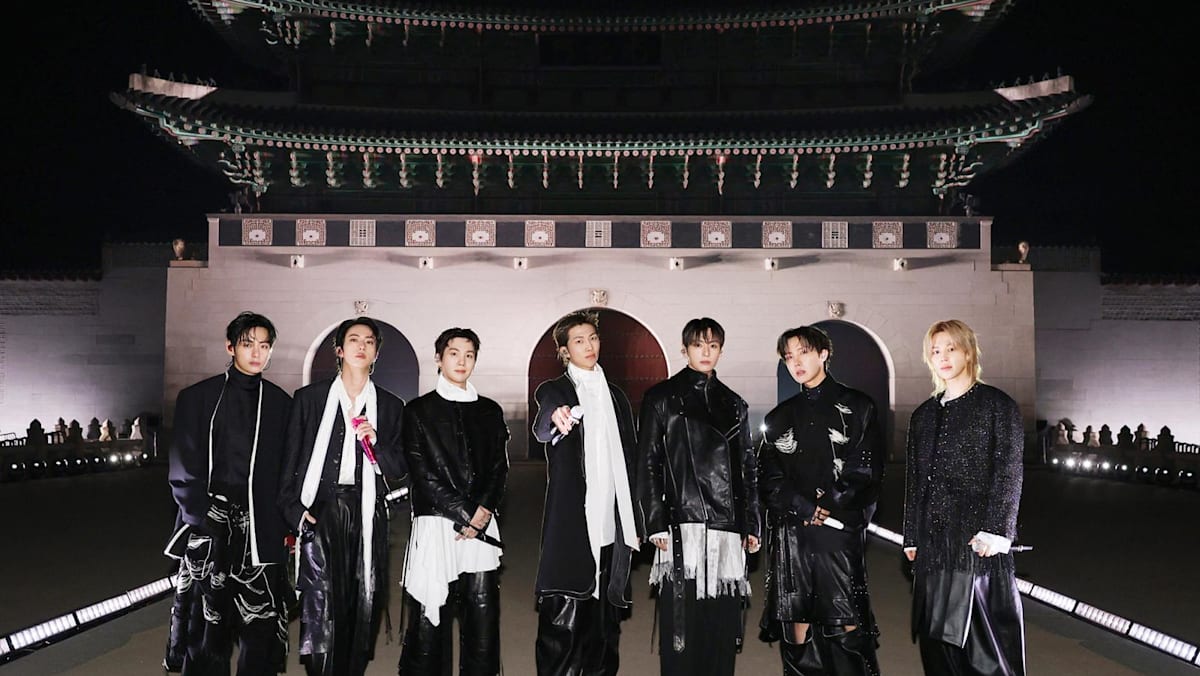
BTS Singapore Concert Chaos: Ticket Scalping, Website Crashes & Fan Frustrations Exposed
As BTS prepares for their highly anticipated return to Singapore’s National Stadium this June 2026, the presale event has ignited a firestorm of consumer frustration. Thousands of fans faced system crashes and record-breaking queues, only to find tickets being scalped on Carousell and X for triple their face value within minutes, highlighting a systemic failure in digital ticketing infrastructure.
The optics of the situation are as predictable as they are damaging to brand equity. When a global act of this magnitude—a juggernaut capable of shifting massive cultural and economic tides—sees its core demographic exploited by predatory secondary market actors, the issue transcends mere consumer annoyance. It strikes at the heart of the artist-fan contract. According to recent data from Billboard, secondary market markups for high-demand stadium tours have increased by an average of 42% over the last fiscal year, creating a volatile environment where the “fan experience” is cannibalized by automated scraping bots and opportunistic resellers.
This is not merely a logistical hiccup; it is a breakdown in the digital ecosystem that supports modern live entertainment. For the promoters involved, the challenge is twofold: maintaining the integrity of the intellectual property while ensuring the logistical architecture of the venue can handle the surge. When the primary ticketing platform fails to mitigate bot traffic, the resulting public relations fallout requires immediate intervention. Often, the talent’s management team must quickly engage specialized crisis communication firms to realign the narrative and assure the fanbase that their loyalty is not being sold to the highest bidder.
The Economics of the Secondary Market Vacuum
The frustration in Singapore is a micro-cosm of a global industry crisis. As concert touring continues to be the primary revenue driver for artists in the post-streaming era, the mechanics of ticket distribution have become the new frontier of industry legal battles. The sheer volume of traffic during the Singapore presale—reportedly peaking at several times the capacity of the National Stadium—demonstrates that current server-side load balancing is woefully inadequate for K-pop’s hyper-engaged digital footprint.
Industry veterans recognize that when supply is artificially constrained by technical failure, the secondary market thrives. To address this, high-level tours are increasingly turning to dynamic pricing models and verified fan programs, yet these solutions often introduce their own complexities regarding consumer protection laws. As noted by legal experts in the entertainment sector, the intersection of digital property rights and anti-scalping legislation remains a gray area that requires constant oversight.
“The industry is currently facing a ‘transparency paradox.’ We have more data than ever on who our fans are, yet we are losing control over the point-of-sale experience to third-party platforms that operate outside the artist’s direct sphere of influence. If you cannot secure the ticket, you cannot secure the brand relationship.” — Marcus Thorne, Senior Entertainment Counsel and Media Rights Specialist
Logistical Leviathans and the Hospitality Windfall
Beyond the digital scramble, the physical reality of a BTS concert at the National Stadium is an exercise in massive-scale event management. The Kallang area is bracing for an influx of international travelers, turning the event into a significant driver for the regional luxury hospitality sector. However, the success of these events relies heavily on the coordination between local authorities and private contractors. The deployment of event security and A/V production vendors must be flawless, as any security breach or technical failure on the night of the show could lead to significant liability issues.
The following table outlines the current pressures facing stadium-level tours in the 2026 landscape:
| Operational Pillar | Primary Challenge | Business Impact |
|---|---|---|
| Ticketing Infrastructure | Bot-driven inventory depletion | Loss of direct fan-to-artist revenue |
| Crisis Management | Negative social sentiment/PR fallout | Erosion of long-term brand equity |
| Venue Logistics | Crowd control and localized security | Liability and operational overhead |
The Future of Fan Engagement and Digital Rights
As we move deeper into the 2026 festival and touring season, the pressure on agencies to protect their IP from unauthorized scalping will only intensify. The era of passive ticketing is over; we are entering a phase where blockchain-verified tickets and stringent identity-linked entry requirements will become the industry standard. This shift, while necessary, necessitates a higher level of cooperation between talent agencies and the local governments hosting these massive cultural moments.

For the fan, the goal is simple: access. For the industry, the goal is the preservation of the “backend gross” and the reputation of the artist. As the dust settles on the Singapore presale, those who fail to innovate their distribution models will be left to manage the fallout of an increasingly disillusioned audience. Whether through litigation, enhanced cybersecurity, or a complete overhaul of the ticketing stack, the industry must pivot now. For those navigating these complex waters, securing the right legal and management counsel is no longer an optional luxury—it is the baseline requirement for survival in the modern entertainment landscape.
Disclaimer: The views and cultural analyses presented in this article are for informational and entertainment purposes only. Information regarding legal disputes or financial data is based on available public records.