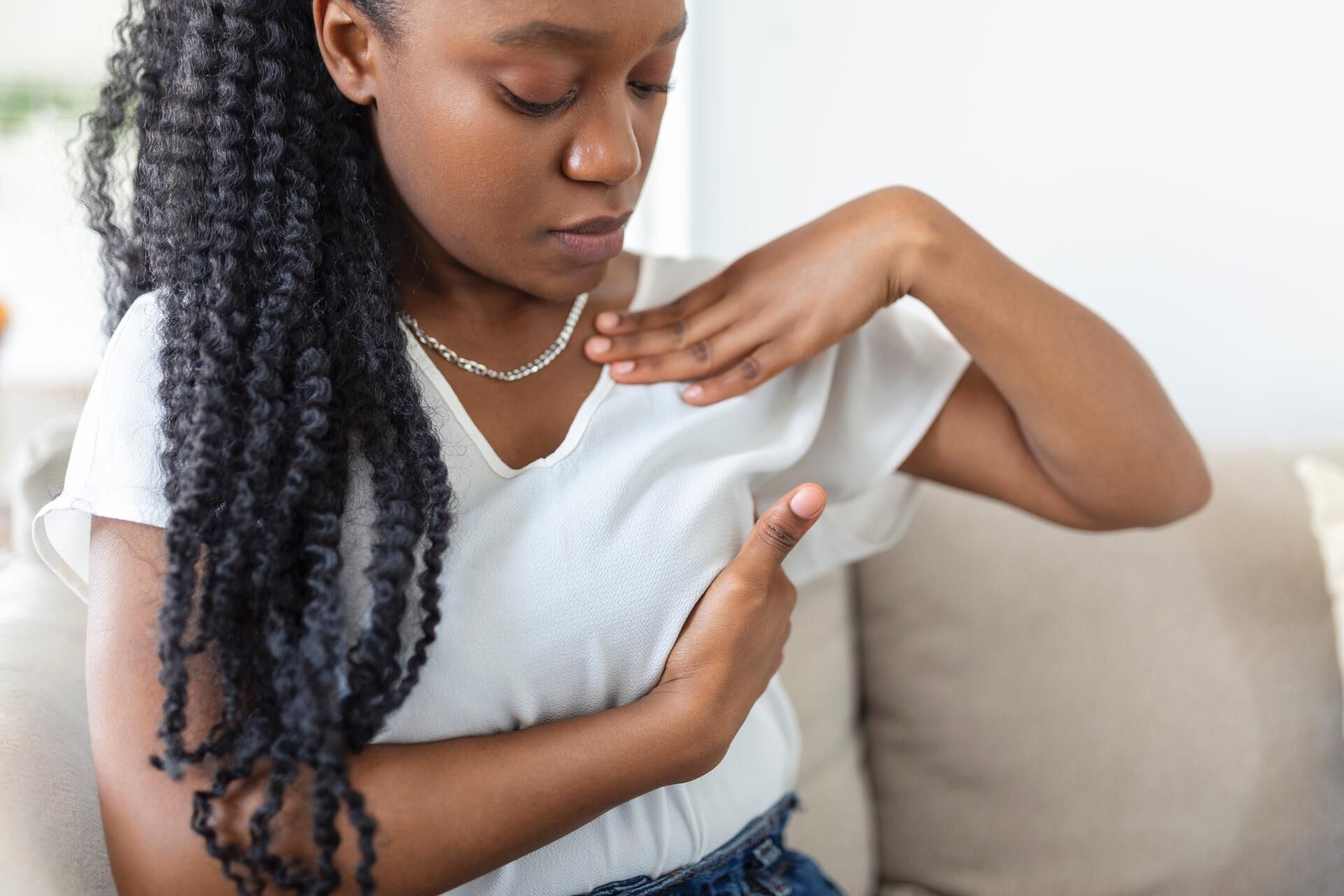
Breast cancer risk linked to alcohol, obesity and genetics, says HUG
Breast cancer affects one in eight women, remaining a complex and largely multifactorial disease where lifestyle factors and genetic predispositions intersect, according to reporting by blick.ch.
- Alcohol consumption can increase the risk of developing breast cancer by approximately 39%, with the risk scaling according to volume consumed, as reported by blick.ch.
- Physical activity of moderate or vigorous intensity, alongside maintaining a balanced diet, serves as an accessible protective factor for risk reduction.
- Uncontrollable risk factors include biological sex, aging, genetic predispositions, and natural hormonal influences such as early menarche or late menopause.
The primary risk factor for developing the disease is biological sex. Dre Anita Wolfer, head of the breast center at HUG, noted in reporting by blick.ch that even individuals maintaining an impeccable lifestyle can still develop the disease due to mechanisms not yet fully understood by clinicians.
Dre Wolfer emphasized that when discussing protective factors or risk reduction, it must be highlighted that it is still possible to develop breast cancer for reasons not always understood, even if one does everything right.

Additional unmodifiable risk factors identified by HUG include natural hormonal influences, such as early menstrual onset or late menopause, and inherited genetic predispositions. Obesity, particularly after menopause, also increases risk. Dre Wolfer stated in blick.ch reporting that this factor is modifiable up to a certain point, though it is not merely a matter of willpower.
Alcohol Consumption Increases Risk by 39 Percent
Environmental and lifestyle factors contribute to modulating individual risk profiles. Among modifiable behaviors, alcohol consumption stands out as a significant factor. According to blick.ch, citing Dre Wolfer, consuming alcohol can increase breast cancer risk by approximately 39%, with risk scaling upward alongside higher intake volumes.
Contraceptive pill usage correlates with a modestly higher risk, rendering users roughly 1.2 times more likely to develop the disease compared to non-users. However, blick.ch reported that this elevated risk dissipates approximately one year after cessation of the medication, and physicians weigh these metrics against individual patient requirements.
Reproductive Factors and Physical Activity as Protective Elements
Reproductive history influences baseline exposure levels. Giving birth before the age of thirty and breastfeeding both offer minor reductions in risk. Dre Wolfer explained to blick.ch that pregnancy and lactation reduce the body’s cumulative exposure to estrogens. Conversely, modern societal trends lean toward delayed initial childbirth.
Physical activity operates as a reliable protective measure across populations. Regular physical exertion—whether moderate or vigorous—contributes to total weekly energy expenditure and helps lower risk, according to blick.ch. General nutritional guidelines advising reduced consumption of meat, dietary fats, and ultra-processed foods support broader oncological health management.
Disclaimer: The information provided in this article is for educational and scientific communication purposes only and does not constitute medical advice. Always consult with a qualified healthcare provider regarding any medical condition, diagnosis, or treatment plan.