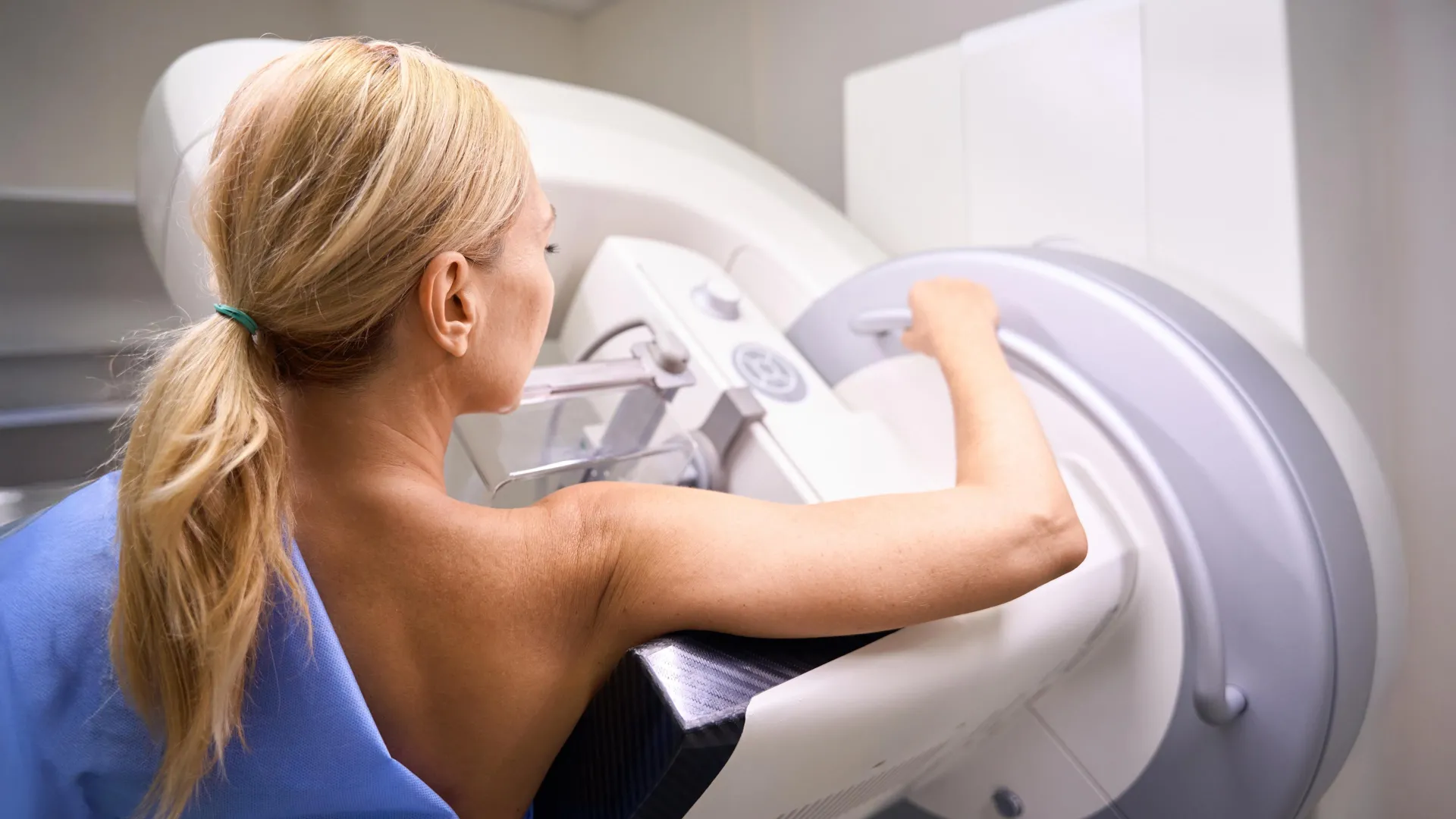
New Study Reassesses Overdiagnosis Risk in Breast Cancer Screening
A comprehensive reanalysis of all eight major randomized mammography trials indicates that the risk of overdiagnosis in breast cancer screening may be substantially lower than estimates that have influenced public health policy for decades, according to findings published.
- A recent reanalysis of eight randomized mammography trials suggests breast cancer overdiagnosis rates may fall below 5%, challenging older figures reaching up to 50%.
- Researchers attribute previous high estimates to methodology limitations, including immature follow-up data and failure to account for post-trial screening in control groups.
- The findings provide refined epidemiological context for patients and clinicians evaluating the benefits and harms of routine mammography programs.
Reassessing Decades of Mammography Data
For decades, international medical discussions have treated overdiagnosis as a major drawback of population-based mammography. Overdiagnosis occurs when screening detects a tumor that would never have caused symptoms, required treatment, or threatened a woman’s life during her lifetime. Without screening, the condition would have remained undetected. The definition also covers cases where patients die from an unrelated cause shortly after receiving a breast diagnosis, rendering the detection clinically inconsequential given limited life expectancy.
Previous estimates derived from randomized controlled trials suggested that between 30% and 50% of screen-detected breast cancers fell into the overdiagnosis category.
Our study shows that this interpretation is not as straightforward as it may seem."
The Impact of Temporal Context and Screening Frequency
The research team addressed methodological variables that they argue distorted past calculations: differences in follow-up duration, variations in screening frequency, and the extent of contamination where control group participants underwent screening independently, particularly after trials officially ended.
When organized mammography screening begins in a population, diagnosis rates initially surge because tumors are identified earlier than they would present clinically. Over time, those numbers should theoretically drop below baseline as the pool of advanced cancers shrinks. If a study concludes before that compensatory decline manifests, researchers can mistake the initial diagnostic spike for true overdiagnosis.
Lynge noted that uncounted post-trial screening further exaggerates the apparent excess of cases.

To establish a reliable baseline, the investigators compared trial outcomes against data from Denmark, where organized regional screening programs launched at staggered intervals over a 17-year period. By tracking incidence patterns across matching temporal points, the team observed that excess breast cancer cases identified in the randomized trials closely mirrored real-world Danish figures, which consistently track at an overdiagnosis rate below 5%.
Clinical Implications for Patient Counseling
Because pathologists cannot reliably predict at the time of biopsy whether a given lesion will progress or remain harmless, patients frequently undergo standard treatments such as surgery, radiation, and hormone therapy.
If the true rate of overdiagnosis sits below 5% rather than approaching 50%, the mathematical balance between the established mortality-reduction benefits of mammography and its clinical harms shifts significantly.
*Disclaimer: The information provided in this article is for educational and scientific communication purposes only and does not constitute medical advice. Always consult with a qualified healthcare provider regarding any medical condition, diagnosis, or treatment plan.*