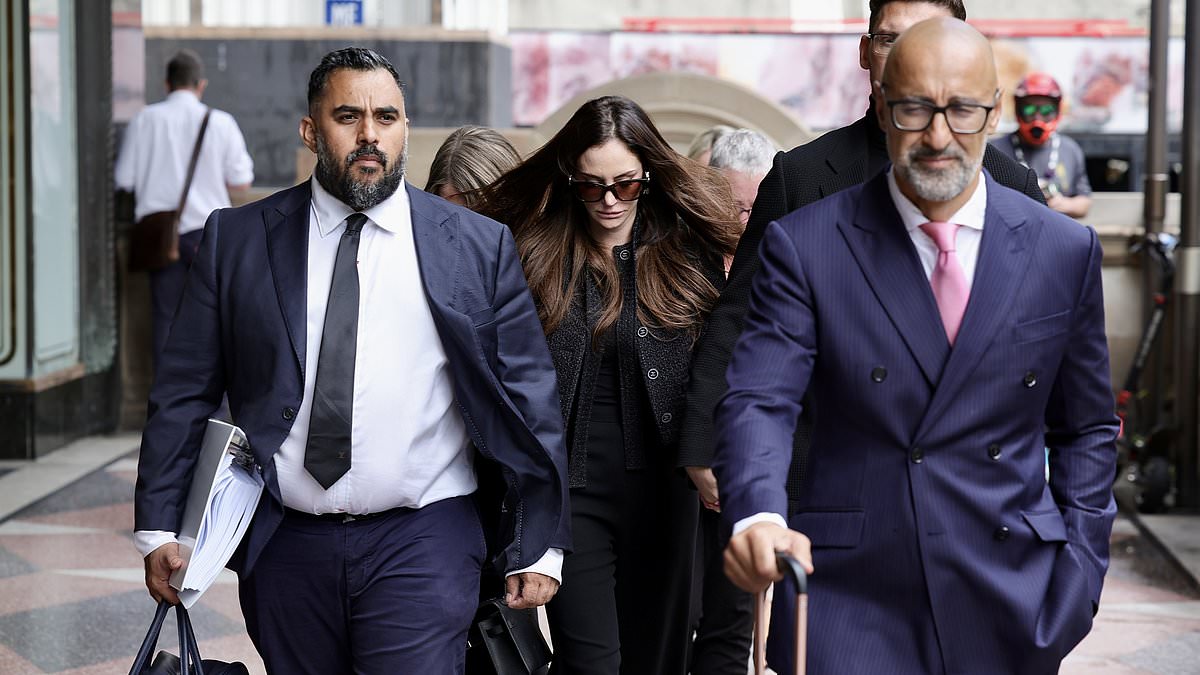
BondiBoost Founder AVO Case: Dramatic Conclusion
On April 14, 2026, a Sydney court witnessed the dramatic conclusion of an Apprehended Violence Order (AVO) case involving BondiBoost co-founder Alexandra Jakob, her fiancé Michael Burn, and Burn’s former partner Geoffrey Williams. The dispute, centered on a scandalous love triangle, involved allegations of threats, extortion, and domestic violence.
What we have is more than a tabloid curiosity. It is a stark illustration of how high-net-worth disputes can rapidly devolve into public legal warfare, where the boundaries between private intimacy and public record vanish. When multimillionaire entrepreneurs and former business partners clash in the Downing Centre, the fallout extends far beyond the courtroom, impacting brand reputations and personal safety.
The atmosphere in the courtroom was electric. Energy and unpredictability defined the session, characterized by frequent interruptions and a palpable tension between the parties involved. At the center of the storm was Michael Burn, a British expat and former male escort, who sought the protection of the court against his former lover, Geoffrey Williams.
The relationship between Burn and Williams was not merely romantic; it was commercial. Together, they operated the high-end Jake Ryan escort agency, where Burn was a premier booking, reportedly earning up to $20,000 a week. For nine years, they shared a bed and a business. That stability shattered when Burn transitioned from his partnership with Williams to a life with Alexandra Jakob, the affluent co-founder of the haircare brand BondiBoost.
The shift in Burn’s loyalty coincided with a move into Jakob’s $100 million mansion in Point Piper. For Williams, this wasn’t just a breakup; it was a displacement. The transition from a shared business venture to the opulence of Sydney Harbour triggered a cycle of toxicity that eventually required judicial intervention.
Geoffrey Williams took a precarious gamble by choosing to represent himself. Lacking procedural knowledge, he navigated the hearing with a bold, if misplaced, confidence. His presence in the Downing Centre was marked by digressions and a struggle to adhere to the rigid structures of the New South Wales legal system.
The case had already been dragging on for months. It was a revolving door of AVO applications, counter-allegations, and denials. Williams claimed he was the one in danger, alleging relentless threats and calls that forced him into hiding for months. “This has to stop, it’s just got to stop,” Williams told reporters, highlighting the psychological toll of the conflict.
The proceedings took a surreal turn when the court delved into the specifics of the triangle. Questions regarding “wild sex” and the existence of a “lost” recording surfaced, stripping away any remaining veneer of corporate professionalism. The hearing also touched upon a sexually explicit question Jakob had reportedly posed to Williams regarding Burn’s past, further complicating the emotional landscape of the case.
Navigating the complexities of an Apprehended Violence Order (AVO) in New South Wales is a logistical and emotional minefield. These orders are designed to protect individuals from violence, harassment, or intimidation, but in high-conflict separations, they can develop into tools of strategic leverage. For those caught in similar cycles of litigation, securing experienced family law attorneys is the only way to ensure that legal protections are not misused as weapons of harassment.
The financial disparity in this case—between a multimillionaire mogul and a former agency owner—adds a layer of power imbalance that often complicates court proceedings. In the eyes of the law, the merits of the violence allegations remain the priority, but the reality of the “mega-rich” in the courtroom often means the battle is as much about resources as it is about truth.
The fallout from this case underscores a growing trend in Sydney’s elite social circles: the intersection of private scandal and public litigation. When personal vendettas enter the public record, the damage to a personal brand can be permanent. For entrepreneurs like Jakob, the association with such a volatile legal battle can overshadow professional achievements.
The emotional volatility displayed throughout the hearing suggests a need for more than just legal representation. High-conflict disputes of this nature frequently require the intervention of professional crisis counselors to prevent the escalation of domestic threats into physical violence.
As the court delivered its judgment, the promise made outside the courtroom was clear: this is far from over. The “explosive finale” may have concluded the current hearing, but the underlying resentment and the quest for vindication continue to simmer.
The legal system can provide a restraining order, but it cannot provide closure. For Williams, Burn, and Jakob, the courtroom has become the primary venue for a relationship that has long since ceased to be functional. The reliance on AVOs to manage personal animosity reflects a broader societal struggle to resolve interpersonal conflict without the intervention of the state.
this saga serves as a cautionary tale for anyone operating at the intersection of high-stakes business and volatile personal relationships. The transition from a private dispute to a public spectacle is a one-way street. Once the details of one’s intimate life are read into the record at the NSW Courts, they belong to the world.
Whether this resolution brings peace or merely sets the stage for the next legal volley remains to be seen. In the meantime, those facing similar volatility in their personal or professional lives must prioritize verified, professional guidance. Finding a vetted litigation specialist through the World Today News Directory is the first step in moving a dispute from the headlines back into a controlled, private resolution.