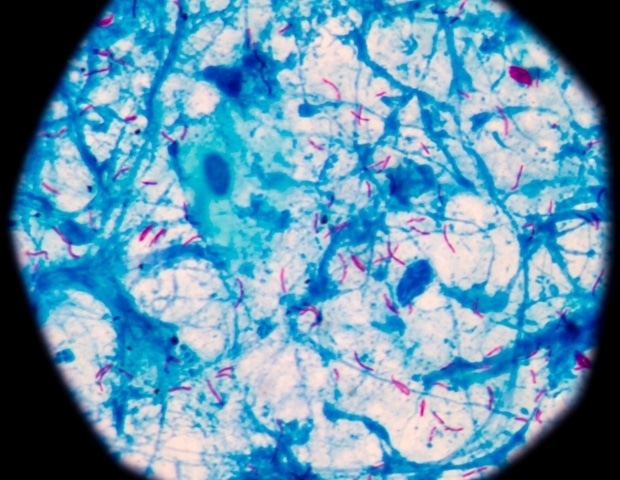
Blood Test Improves Early TB Detection in Household Contacts
The silent transmission of tuberculosis within a household represents one of the most persistent failures in global infectious disease control. While we have the tools to treat the disease, our inability to identify those on the precipice of active illness creates a dangerous lag in care that sustains the cycle of infection.
Key Clinical Takeaways:
- The identification of DNASE1L2 as a dynamic biomarker offers a potential breakthrough in detecting tuberculosis progression before clinical symptoms manifest.
- Household contacts of tuberculosis patients face a significant risk of developing the disease, estimated at approximately 2 percent.
- Current diagnostic limitations make early-stage detection difficult, highlighting a critical need for high-sensitivity blood-based screening tools.
The clinical challenge of tuberculosis (TB) lies in its stealth. For many household contacts, the transition from latent tuberculosis infection (LTBI) to active disease is a slow, often invisible process. By the time a patient presents with a persistent cough, night sweats, or weight loss, they have likely been infectious for weeks, potentially exposing others in their immediate environment. The current standard of care often relies on symptom-based screening or imaging, both of which are reactive rather than proactive.
The Biological Mechanism of DNASE1L2 as a Biomarker
The emergence of DNASE1L2 as a dynamic biomarker marks a shift toward molecular surveillance. In the pathogenesis of tuberculosis, the body’s immune response attempts to wall off Mycobacterium tuberculosis within granulomas. However, when the immune system fails to contain the pathogen, the resulting tissue damage and cellular turnover release specific proteins into the bloodstream.

DNASE1L2 is an enzyme involved in the degradation of DNA. Its presence and concentration in the blood are linked to the inflammatory response and the breakdown of cellular debris during TB progression. Unlike traditional skin tests or interferon-gamma release assays (IGRAs), which can struggle to differentiate between a latent infection and active disease, a dynamic biomarker like DNASE1L2 provides a window into the actual progression of the illness. This allows clinicians to identify individuals who are not just infected, but are actively moving toward a state of morbidity.

For healthcare providers managing high-risk populations, this shift in diagnostic capability is transformative. The ability to pinpoint progression allows for the initiation of preventive therapy at the exact moment it is most effective. To ensure these emerging diagnostics are integrated into a comprehensive care plan, patients should be referred to board-certified infectious disease specialists who can manage the nuances of preventive chemotherapy and monitor for drug toxicity.
“The transition from latent to active tuberculosis is the most critical window for intervention. If we can move the diagnostic needle from ‘symptomatic’ to ‘molecular,’ we effectively break the chain of transmission within the family unit.”
Epidemiological Implications for Household Contact Investigation
Household contact investigation is the cornerstone of TB elimination, yet it is fraught with inefficiency. The statistical reality—that roughly 2 percent of contacts will develop active TB—means that a vast majority of screened individuals will not progress. This creates a “needle in a haystack” scenario for public health officials, where the cost and effort of intensive screening must be balanced against the probability of detection.
Current diagnostic gaps often result in a “diagnostic odyssey,” where patients move through multiple clinics and tests before receiving a definitive diagnosis. This delay increases the risk of community spread and worsens the long-term prognosis for the patient. The integration of a blood-based biomarker reduces the reliance on invasive procedures or low-sensitivity screenings, streamlining the triage process.
Implementing these high-sensitivity tests requires a robust laboratory infrastructure capable of precise molecular quantification. Clinical facilities are increasingly partnering with specialized diagnostic laboratories to implement these assays, ensuring that the transition from blood draw to clinical action is seamless and rapid.
Addressing the Regulatory and Clinical Gap
While the identification of DNASE1L2 is promising, the path from biomarker discovery to bedside application involves rigorous validation. The clinical community requires large-scale, longitudinal data to establish the exact sensitivity and specificity thresholds for this marker. Without standardized cut-off values, there is a risk of false positives, which could lead to unnecessary and potentially toxic prophylactic treatments.
the funding and transparency of these studies are paramount. While early research provides a proof-of-concept, the transition to a global standard of care requires transparency regarding the funding sources—whether driven by governmental health grants or private pharmaceutical initiatives—to ensure that the resulting diagnostic tools are affordable and accessible in the high-burden regions where they are most needed.
From a regulatory standpoint, the adoption of new biomarkers often necessitates a shift in clinical guidelines. This transition can be complex, requiring healthcare compliance consultants to help clinics navigate the updated protocols for reporting infectious diseases and managing patient data privacy during large-scale contact screenings.
The Future of Proactive Tuberculosis Screening
The trajectory of tuberculosis research is moving decisively toward personalized, molecular-based diagnostics. The focus is no longer simply on whether a person has been exposed to the bacterium, but on how their specific immune system is responding to that exposure in real-time. By monitoring the dynamics of markers like DNASE1L2, the medical community can move toward a model of “precision public health.”

Looking forward, the goal is to integrate multiple biomarkers into a single panel, creating a comprehensive “molecular signature” of TB progression. This would allow for a tiered approach to care: low-risk contacts receive periodic monitoring, while those showing biomarker elevation are fast-tracked for intensive treatment.
As these tools move toward clinical implementation, the priority remains the intersection of cutting-edge science and compassionate care. The ability to tell a family that a loved one is at risk before they become ill is a powerful tool in reducing the stigma and fear associated with tuberculosis. Finding the right balance of diagnostic rigor and clinical empathy is essential for the success of these interventions. For those seeking to implement these new protocols or patients requiring expert guidance, consulting with vetted providers in our directory ensures that the latest scientific advancements are applied with the highest standard of clinical excellence.
Disclaimer: The information provided in this article is for educational and scientific communication purposes only and does not constitute medical advice. Always consult with a qualified healthcare provider regarding any medical condition, diagnosis, or treatment plan.