Blood-based circular RNAs for early diagnosis of Alzheimer’s disease
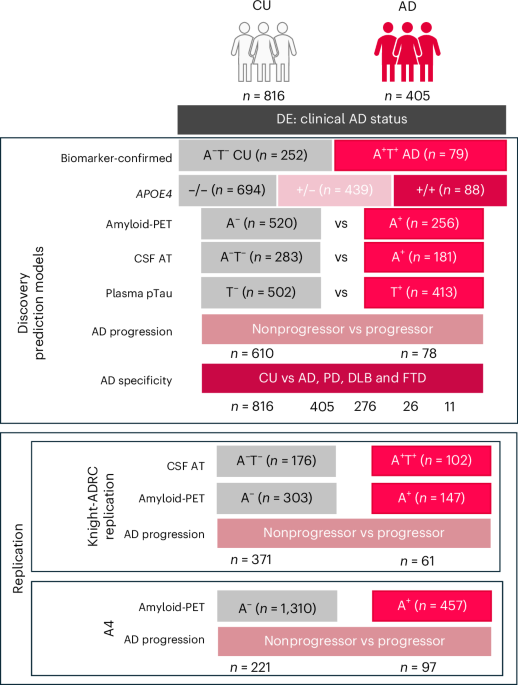
Researchers have identified a predictive model utilizing 34 blood circular RNAs capable of predicting the progression to symptomatic Alzheimer’s disease (AD). Published July 1, 2026, in Nature Medicine (doi:10.1038/s41591-026-04485-5), the study demonstrates that this model outperforms pTau217 and amyloid-PET.
Key Clinical Takeaways:
- A predictive model using 34 blood circular RNAs has shown the ability to predict progression to symptomatic Alzheimer’s disease, outperforming pTau217 and amyloid-PET.
- The research, which involved large cohort validation, suggests a shift toward non-invasive liquid biopsies for monitoring neurodegenerative pathogenesis.
- Clinical implementation of this diagnostic tool remains in the validation phase, necessitating professional consultation with neurologists to interpret current cognitive health screenings.
The Biological Mechanism of circRNAs in Neurodegeneration
Circular RNAs are covalently closed loops of non-coding RNA that exhibit high stability within human blood plasma, making them ideal candidates for diagnostic biomarkers. Unlike linear RNA, which is susceptible to rapid degradation by exonucleases, circRNAs possess a resistance to enzymatic digestion that allows for consistent quantification. The study published in Nature Medicine posits that these molecules act as regulatory nodes for synaptic plasticity and protein aggregation, key pillars in the pathogenesis of Alzheimer’s disease.

By analyzing the differential expression of these 34 circular RNAs, investigators were able to map the trajectory of cognitive decline before the onset of profound clinical symptoms. This molecular profile provides a high-resolution snapshot of the brain’s metabolic and structural stress, correlating tightly with the accumulation of beta-amyloid plaques and tau tangles. For patients currently managing mild cognitive impairment, this level of diagnostic precision underscores the importance of ongoing monitoring. Establishing a baseline with a [Neurologist] is an essential step in preparing for the integration of such advanced diagnostics into standard clinical practice.
Comparative Efficacy: Liquid Biopsy vs. PET Imaging
The clinical challenge of early Alzheimer’s detection has historically relied on amyloid-PET imaging and cerebrospinal fluid (CSF) analysis. While these methods offer high specificity, their utility is often limited by high costs, ionizing radiation exposure, and the invasive nature of lumbar punctures. The new circRNA model aims to bypass these barriers.

| Diagnostic Method | Invasiveness | Primary Limitation |
|---|---|---|
| Amyloid-PET | High | Cost and accessibility |
| pTau217 Blood Test | Low | Variable sensitivity in early stages |
| 34-circRNA Model | Low | Requires further longitudinal validation |
According to the data, the 34-circRNA signature provides a robust predictive value, particularly in patients who fall into the “gray zone” of current pTau217 testing. This comparative advantage suggests that liquid biopsies may soon serve as the primary screening tool for asymptomatic individuals at high genetic or clinical risk. Diagnostic laboratories and medical centers looking to modernize their neuro-screening protocols should review current compliance standards with [Healthcare Compliance Legal Counsel] to ensure that upcoming molecular diagnostic shifts are integrated without operational disruption.
Funding and Clinical Translation
The study was supported by a combination of public research grants and private biotechnology partnerships, reflecting a significant investment in non-invasive precision medicine. The researchers emphasized that while the predictive model is highly effective in large cohorts, the next phase of development will focus on the standardization of sample collection and processing across diverse clinical environments. This is a critical hurdle for diagnostic firms. Facilities currently providing specialized cognitive health services must maintain rigorous quality control standards to ensure that future adoption of such complex assays meets the stringent requirements of regulatory bodies.

Elena Vance, who was not involved in the original Nature Medicine study, noted the significance of the findings: “The stability of circular RNAs in circulation provides a distinct advantage for longitudinal monitoring. If these results hold across broader, multi-ethnic populations, we are looking at a fundamental change in how we define the early-stage window for therapeutic intervention.”
Future Trajectory for Diagnostic Screening
As the medical community moves toward a more personalized approach to Alzheimer’s care, the focus will shift from late-stage symptom management to early-stage molecular intervention. The capacity to identify patients at risk years before the manifestation of dementia represents a major evolution in the standard of care. For individuals and families navigating the complexities of cognitive health, the emergence of these technologies necessitates a proactive relationship with specialized diagnostic centers.
Patients are encouraged to discuss the implications of emerging liquid biopsy research with their care teams. Accessing a [Specialized Diagnostic Center] can provide the necessary context for interpreting current screening results and planning for long-term neurocognitive health.
Disclaimer: The information provided in this article is for educational and scientific communication purposes only and does not constitute medical advice. Always consult with a qualified healthcare provider regarding any medical condition, diagnosis, or treatment plan.