
Jaylen Brown’s direct address to a predominantly white crowd at Boston’s TD Garden on Martin Luther King Jr. Day – “Systemic racism is real. It plagues the city of Boston as well as the rest of our society” – underscored a familiar tension. While Black athletes consistently leverage their platforms for social justice, the sustained energy and visibility of those efforts appear to be waning, raising concerns about the future of athlete activism.
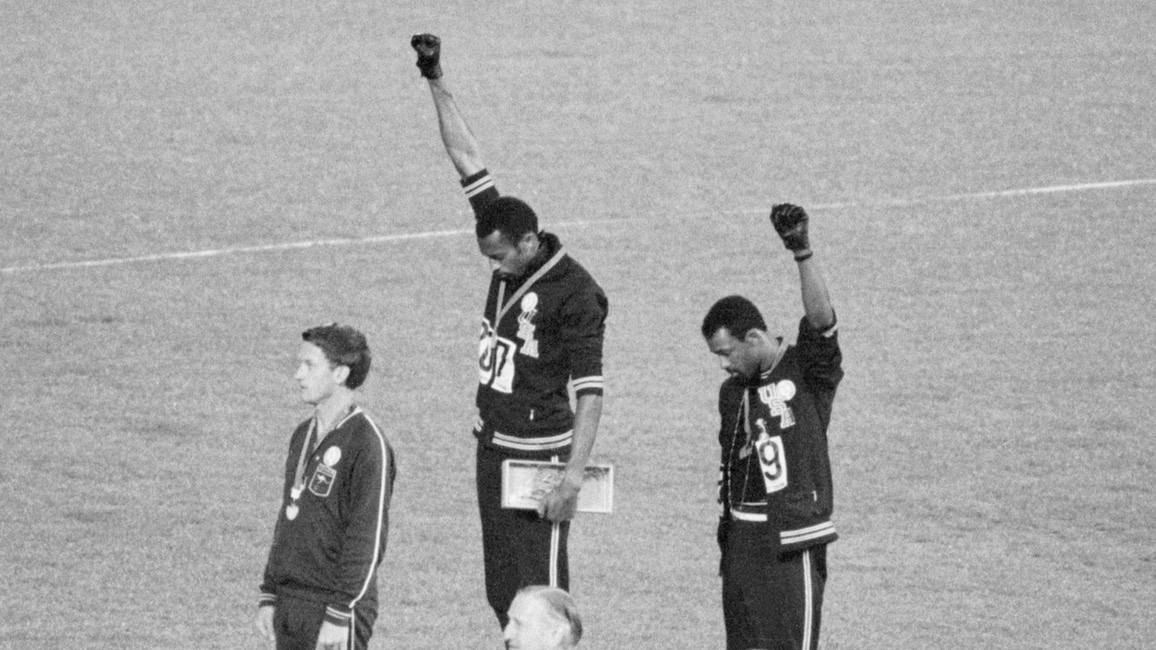
The history of Black athletes using their prominence to challenge societal norms is well-documented. The 1968 Mexico City Olympics remain a potent symbol, with Tommie Smith and John Carlos raising black-gloved fists during the medal ceremony to protest racial injustice in the United States. The gesture, a demonstration of Black Power, came at a significant personal cost to both athletes, as they faced condemnation and suspension from the US team. Similarly, Muhammad Ali’s refusal to be drafted into the Vietnam War, motivated by his opposition to racial inequality and the war itself, led to years of exile from boxing and widespread criticism before his eventual rehabilitation as a cultural icon.
More recently, Colin Kaepernick’s kneeling protest during the national anthem to raise awareness of police brutality and racial injustice sparked a national debate and ultimately led to his effective removal from the NFL. These moments, often revisited during Black History Month, are frequently framed as inspirational stories of courage and resistance. Although, a growing concern is that these narratives have become comfortably palatable, losing their edge and failing to translate into sustained action.
The surge in athlete activism following the 2020 murder of George Floyd demonstrated a powerful collective response. Athletes across various sports united to advocate for voting rights and social justice reform. However, the momentum appears to have slowed. The focus has shifted, and the outspokenness of that period has diminished, replaced by what some observers describe as a return to a more conventional role for athletes.
This shift is particularly concerning given the current legislative landscape. Multiple states are enacting laws that restrict voting access, and there are ongoing efforts in school districts to revise history curricula, downplaying or omitting the realities of racial injustice. These developments necessitate continued and amplified advocacy, yet the visible engagement from prominent athletes has decreased. The symbolic gestures – wearing socially conscious t-shirts or posting statements on social media – are seen by some as insufficient.
The challenge, as Brown’s statement in Boston illustrates, is to move beyond symbolic gestures and engage in sustained, uncomfortable conversations. Brown, who echoes the spirit of Smith and Carlos, has actively participated in protests and directly addressed issues of systemic racism. His willingness to confront these issues, even in potentially hostile environments, highlights the ongoing necessitate for athletes to use their platforms to challenge the status quo.
The question remains whether the current moment will be remembered as a period of genuine progress or simply another cycle of performative activism. As legislative attacks on voting rights continue and economic disparities persist, the role of Black athletes in the struggle for social justice remains critical – and the urgency of that role has not diminished.
