
Second Ukrainian Attack Hits Russian Refinery in a Week, BBC Verify Inquiry Reveals Online Recruitment for Sabotage
A Russian refinery was struck by fire this week in what Ukrainian sources confirm is the second attack within seven days.Simultaneously, a BBC verify investigation has uncovered evidence of online recruitment targeting Ukrainians – including teenagers as young as 11 – and offering payments for carrying out arson and bombings within Ukraine itself. The findings suggest a coordinated effort to destabilize the country from within, with the Ukrainian government accusing Russia of orchestrating the recruitment through platforms like Telegram, TikTok, and video game communities.
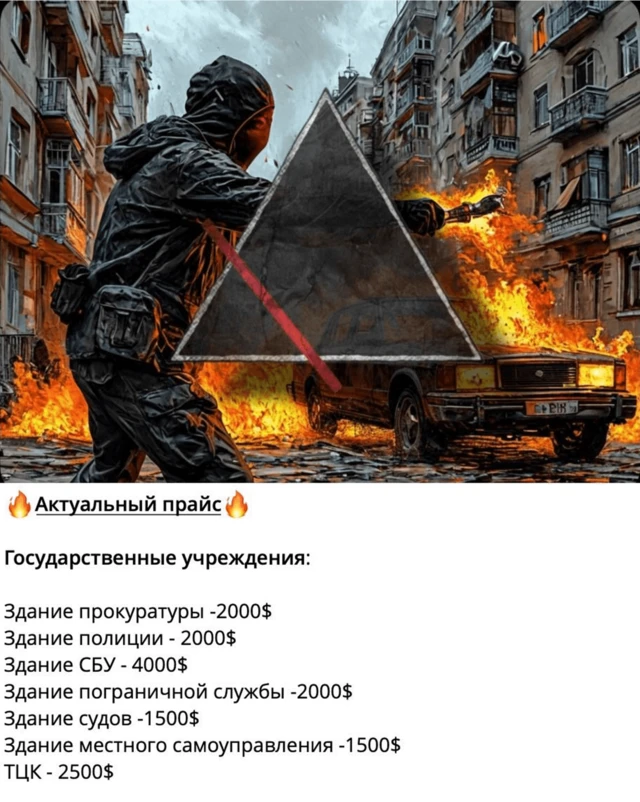
the BBC’s undercover investigation, conducted with assistance from BBC Ukrainian, utilized a burner phone and alias to infiltrate several Telegram channels identified through tips. While not overtly pro-Russian, these channels exploit discontent among Ukrainians regarding the country’s conscription service, wich has faced allegations of brutality and corruption. Investigators were promptly offered payment – in cryptocurrency or bank transfer - for arson attacks, with a price list detailing payouts ranging from $1,500 (£1,150) for damaging a post office to $3,000 (£2,300) for attacking a bank.
One 18-year-old currently detained and awaiting trial on terrorism charges revealed to the BBC he was promised $2,000 to bomb a van used by the conscription service, but the plot was intercepted. The BBC reported numerous channels, accounts, and bots to Telegram, resulting in the removal of only a limited number.Telegram stated in response: “Calls to violence or destruction of property are explicitly forbidden on Telegram and are immediately removed whenever discovered.”
While the BBC has not independently verified direct Russian state involvement, the allegations come amid heightened tensions and ongoing conflict.the Russian Embassy in London responded to Ukraine’s accusations with a statement alleging a similar sabotage campaign orchestrated by Ukraine using Russian citizens. The investigation highlights a concerning trend of utilizing online platforms to recruit individuals for acts of sabotage, raising questions about the vulnerability of critical infrastructure and the potential for escalating conflict.
