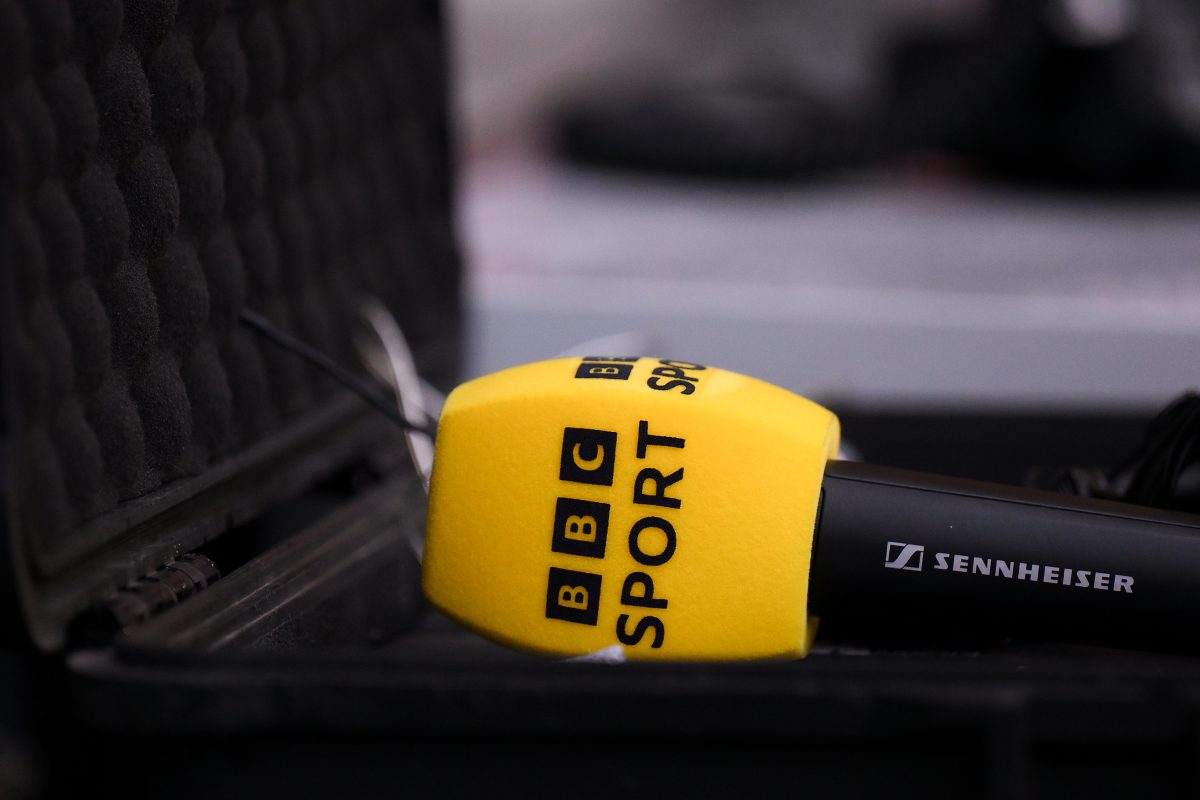
BBC drops lunchtime and overnight sports bulletins
The BBC has dropped lunchtime and overnight sports bulletins from its news channel, according to cityam.com.
The Death of Scheduled Viewing
Television schedules no longer match the speed at which fans consume sports updates. Football supporters tracking transfer news spend more time scrolling through Fabrizio Romano’s social media channels than most of their relatives.
Asking these fans to wait until a scheduled lunchtime bulletin feels positively archaic when they have already spent their mornings debating match details on X. Scheduled bulletins and post-match analysis face viewers with too many options.
The Economics of Live Rights
A television viewer can switch to another platform at the touch of a button or with a few dictated keywords. That leaves commercial broadcasters in an awkward imbalance. They carry the cost of showing the match, while someone else can build a following from discussing it.
Live rights remain a formidable advantage for traditional networks. Broadcasters pull millions of eyeballs onto a single screen with production expertise that blow independent channels out of the water. However, mainstream networks are bound to reach beyond the most zealous of fans, whereas YouTube channels operate with greater editorial freedom to home in on a niche with much less red tape.
The Rise of Branded Digital Programming
Branded digital programming demonstrates the commercial viability of content created between games. Series like Betway’s ‘Settle It’ capture fan attention by focusing on personality. Viewers follow talent and come back for their personality, providing sponsors with a regular spot in fans’ lives without needing to buy broadcasting rights.
Traditional broadcasters are attempting to build similar relationships. The BBC is expanding its presence on YouTube, but adapting television formats to digital platforms requires a willingness to let the audience have a bigger say.
Inside the Online Production Pivot
Eddie Gold, CEO and founder of The Gold Studios, notes that development producers must stay closely involved throughout an online series rather than handing off a format and walking away.
In television, a development team might hand over a format and move on once it is commissioned. Online, we recommend development producers stay much closer throughout the series.
A throwaway conversation might become the reason viewers return, while the segment everyone loved in the pitch turns out to be where they leave.
Gold argues that more of the money around live rights should go into teams that can keep doing that work throughout a season, ensuring broadcasters remain the place those people choose to return to, even when there’s no match to show.