
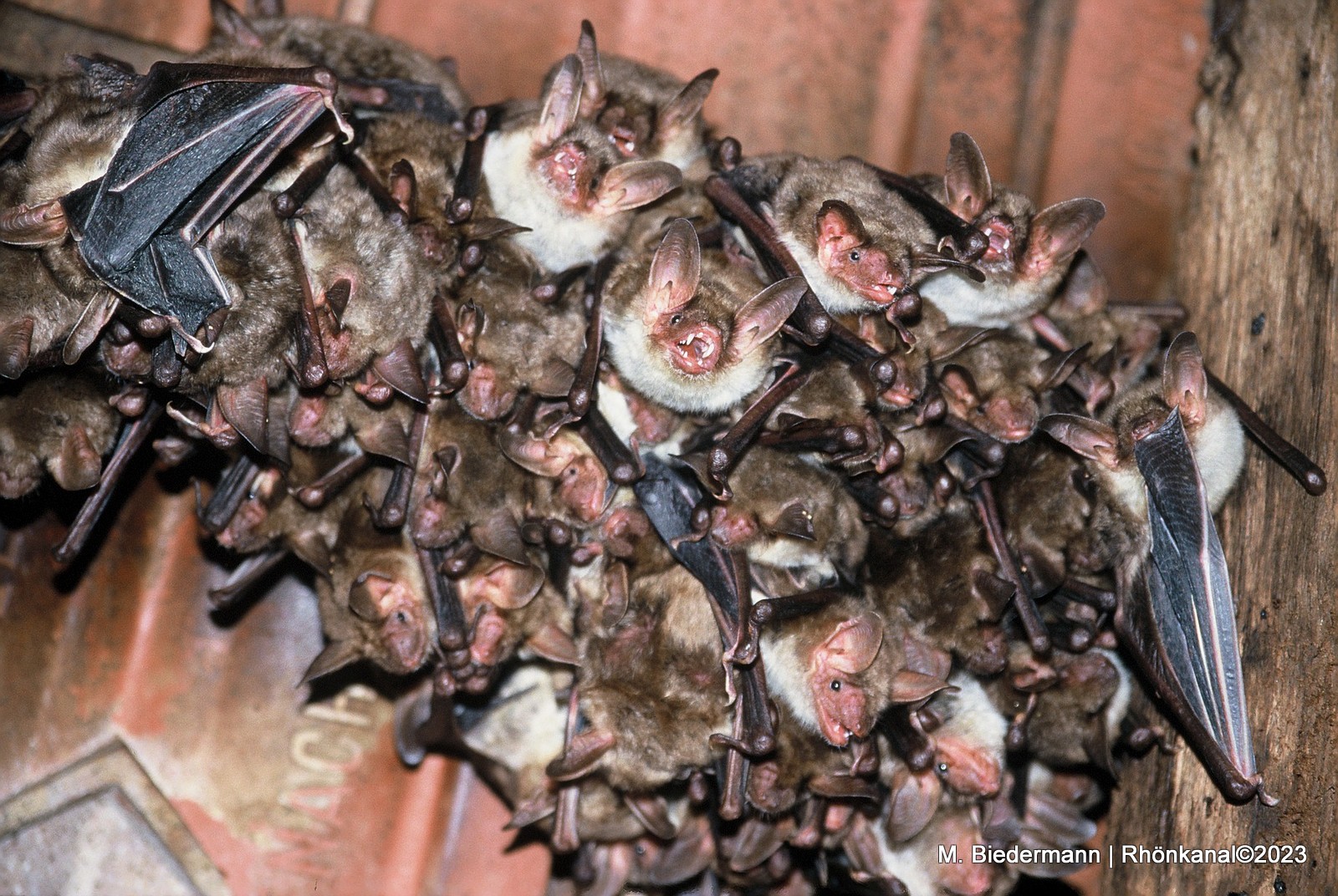
Germany‘s Bats Face Challenges: Insect Decline and Habitat Loss
Table of Contents
Poppenhausen, Germany – A surge in citizen science initiatives is underway to monitor and protect bat populations across Germany, as these nocturnal creatures face increasing threats from dwindling insect numbers and a shortage of suitable habitats.A special bat detector tour is scheduled for August 29, 2025, offering a unique opportunity to observe these vital animals in their natural environment.
The State of Bats in Germany
Germany is home to 25 distinct species of bats, with 18 of those found within the Fulda district . Contrary to popular belief, no bat species in Germany feeds on blood; all rely exclusively on insects for sustenance. This insectivorous diet makes them crucial for controlling pest populations and maintaining ecological balance.
however, the dramatic decline in insect populations across Europe is having a meaningful impact on bat populations. Coupled with this food scarcity is a growing housing crisis for bats, as renovations of older buildings and the removal of mature trees eliminate essential roosting sites.
International Bat Night and Local Initiatives
The International Bat Night, celebrated annually at the end of August in 38 countries worldwide, provides a platform to raise awareness and promote bat conservation. Local organizations in the Rhön region of Germany are actively involved in these efforts.
A collaborative initiative involving NABU (Nature and Biodiversity Conservation Union), the Fulda bat protection working group, the UNESCO biosphere reserve Rhön, the Rhönklub Hünfeld, and the Association for Natural History East Hesse is offering guided bat detector tours. These tours aim to educate the public about local bat species and demonstrate how bats navigate and hunt using echolocation.
Did You Know? Bats play a critical role in agricultural pest control, saving farmers millions of dollars annually by consuming crop-damaging insects.
Bat Detector Tour Details
On Friday, August 29, 2025, andrea and Eva Wissel, along with Renate Hausschild from NABU Gersfeld, will lead a bat detector tour at Guckaisee, located east of Poppenhausen. The tour will begin at 8:00 p.m. in the Guckaisee parking lot. The event is family-friendly, with short walking routes suitable for children. No registration is required.
The tours utilize specialized detectors to make the ultrasonic calls of bats audible to humans, allowing participants to observe the animals as they forage for insects. This provides a visual and auditory experience, deepening understanding and thankfulness for these frequently enough-misunderstood creatures.
Pro Tip: Wear dark clothing and avoid using bright lights during bat walks to minimize disturbance to the animals.
The Importance of Bat Conservation
Protecting bat populations requires a multi-faceted approach, including habitat preservation, insect conservation, and public education. Maintaining and restoring roosting sites, reducing pesticide use, and promoting awareness about the ecological benefits of bats are all essential steps.
| Threat | Impact on Bats | Conservation Action |
|---|---|---|
| Insect Decline | Reduced food availability, population decline | Promote sustainable agriculture, reduce pesticide use |
| Habitat Loss | Loss of roosting and foraging sites | Protect and restore forests, preserve old buildings |
| Light Pollution | Disrupts foraging behavior | Reduce unneeded outdoor lighting |
What steps can individuals take to support bat conservation in their communities? How can we balance development with the need to protect these essential creatures?
Looking Ahead: The Future of Bat Conservation
The long-term survival of bat populations hinges on continued research, collaborative conservation efforts, and increased public awareness. Ongoing monitoring programs are crucial for tracking population trends and assessing the effectiveness of conservation strategies. Furthermore, addressing the root causes of insect decline, such as habitat loss and pesticide use, is paramount. The European Union’s Biodiversity Strategy 2030 includes specific targets for protecting and restoring biodiversity, which will indirectly benefit bat populations .
Frequently Asked Questions About Bats
- What do bats eat? Bats in Germany primarily eat insects, playing a vital role in pest control.
- are bats hazardous? No, bats are not aggressive and pose no threat to humans unless provoked.
- Why are bats protected? bats are protected due to their ecological importance and declining populations.
- How can I help bats? You can definitely help by protecting their habitats, reducing pesticide use, and supporting bat conservation organizations.
- What is echolocation? Echolocation is a process bats use to navigate and find food by emitting sound waves and interpreting the echoes.
We encourage you to share this article with yoru friends and family to spread awareness about the importance of bat conservation.Join the conversation – what are your thoughts on protecting these fascinating creatures? Subscribe to our newsletter for more insightful environmental news and updates.
