
Youth Discontent and Systemic Change: A Look at Bangladesh, Nepal, and Sri Lanka
Across South Asia, a potent mix of economic hardship, political disillusionment, and increased digital connectivity is fueling youth-led unrest. While Bangladesh has experienced comparatively stronger economic growth under Sheikh Hasina, and Nepal struggles with a weaker economy, both nations face alarmingly high rates of youth unemployment, mirroring similar frustrations in Sri Lanka.
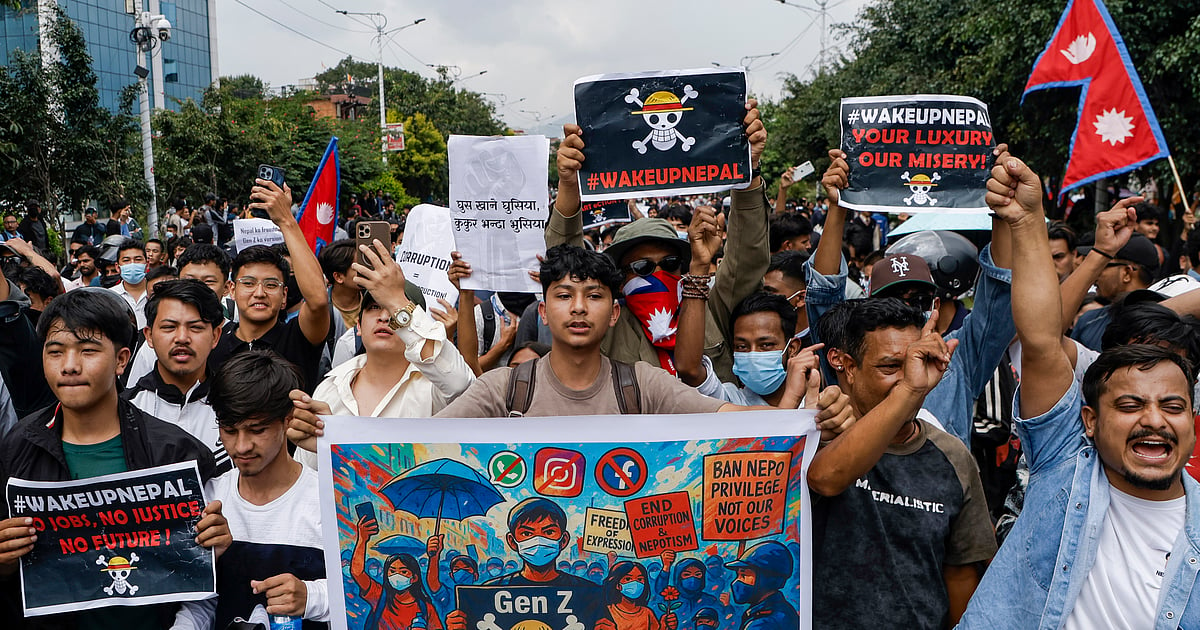
A stagnant job market and limited opportunities are driving educated youth to openly express their discontent. This is compounded by perceptions of deeply entrenched corruption and dynastic politics, fostering widespread public disillusionment. Digital platforms are proving crucial in mobilizing this frustration. In Bangladesh, symbolic online protests like the use of red profile pictures demonstrated solidarity, while in Nepal, TikTok and encrypted apps facilitated association despite government surveillance. This convergence of economically marginalized,yet digitally empowered,youth is creating a volatile environment,uniting diverse groups – from graduates to garment workers – in demands for dignity,opportunity,and systemic change.
Though, the path to betterment remains unclear.A year after forming an interim government, Bangladesh has shown little meaningful progress in addressing the economic pressures faced by ordinary citizens, with politics continuing to dominate the agenda. The International Labor Organization reports that roughly 30% of Bangladeshi youth are neither employed, in education, nor in training, with young women facing a 23% unemployment rate compared to 15% for young men. Opportunities for women remain largely limited to sectors with restricted career advancement. In 2024, the government offered a mere 18,000 jobs against over 2 million new entrants to the workforce annually.
Nepal’s situation is equally concerning. The World Bank reports a 20.8% unemployment rate for those aged 15-24 in 2024, driving many young people to seek low-paid work abroad.Remittances now constitute 33.1% of Nepal’s GDP – a figure that has steadily risen over three decades – highlighting the critical lack of stable, meaningful employment opportunities within the country.
Sri Lanka’s Aragalaya as a Case Study:
Sri Lanka provides a stark example of how economic crisis can translate into political upheaval. the youth played a pivotal role in the ousting of the Rajapaksa family, fueled by a deep economic crisis that began with a controversial policy decision. In 2021, the government abruptly banned chemical fertilizers and pesticides, ostensibly to promote organic farming.This policy severely damaged rice and tea production – sectors employing over 30% of the population and heavily reliant on state subsidies - and was widely perceived as a cost-cutting measure.
This initial spark ignited the broader Aragalaya (“struggle”) protest movement in 2022,driven largely by youth demanding accountability and “system change.” Ultimately,the protests led to the removal of president Gotabaya Rajapaksa and the subsequent election of the NPP government in 2024.
