
A few years ago, I visited my childhood home and heard a surprising sound: the radiant and bouncy music of the Puerto Rican rapper Bad Bunny. My parents are white Baby Boomers who speak no Spanish and have never shown a taste for hip-hop,but they’d somehow gotten into Benito Antonio Martínez Ocasio,whose sex-and-rum-drenched lyrics they couldn’t begin to decipher. The vector of transmission appeared to be the streaming service hooked to their smart speakers. When in need of a pick-me-up, Mom would shout, “Alexa, play Bad Bunny,” and make her Southern California kitchen sound like a San Juan nightclub.
Stories like this help explain how Bad Bunny has reached across language barriers to dominate pop domestically and abroad. Since uploading his first single in 2016, he’s broken U.S. sales records and claimed the title of the most streamed artist on Spotify in four separate years. His popularity, high standing with critics, and duration of success place him among contemporary titans like taylor Swift, Beyoncé, and Kendrick Lamar. Like them, he’s mastered the art of crafting 21st-century pop success by building excitingly hybrid sounds around a core of authentic identity – in his case, performing almost exclusively in Spanish.
The Rise of Música Urbana and the Streaming Revolution
Bad Bunny’s success isn’t an isolated incident. It’s part of a larger shift in the music industry driven by streaming and the rise of música urbana—a genre blending Latin trap, reggaeton, and hip-hop. Before the digital age, crossing over to a mainstream American audience required compromise: Latin artists often had to record songs in English to gain notable airplay and label support. Artists like Ricky Martin,Enrique Iglesias,and Shakira found success after transitioning to English-language recordings.The rare exceptions, such as Los del Río’s “Macarena” , were exceptions that proved the rule – they generated a hit song, but didn’t necessarily translate into sustained mainstream recognition for the artists themselves.
Streaming platforms fundamentally altered this dynamic.By removing the gatekeepers of radio and record labels, they allowed music to find an audience organically. Bad Bunny emerged from this fertile ground, deeply rooted in the transnational música urbana scene.This scene primarily caters to Spanish speakers – a massive audience, including the 44 million Spanish speakers residing in the United States. As Spotify and other platforms grew, music from across the globe became readily accessible, mirroring similar explosions in popularity for K-pop and Afrobeat, demonstrating a growing appetite for music beyond the English-language mainstream.
More Than Just music: Representation and Cultural Impact
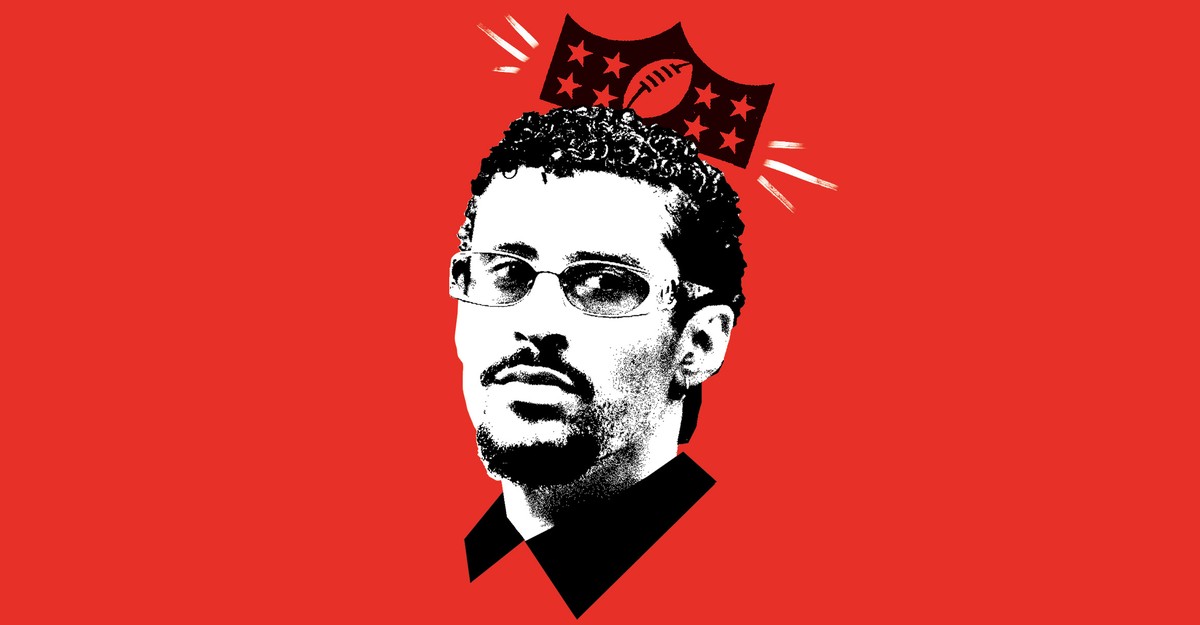
Bad Bunny’s upcoming performance at the Super Bowl Halftime show is a landmark moment, representing more than just musical success. He frames it as a victory for Latino, and specifically Puerto Rican, representation.And, as highlighted by the controversy surrounding his booking, his ascendancy directly challenges outdated notions of what constitutes “American” music and who gets to represent the country on its biggest stage.
The backlash from some conservative corners, including the planned counter-program by Turning Point USA , underscores a deeper tension. Critics cited his political stances – his opposition to ICE presence at his concerts – and gender-bending fashion as evidence he’s not a “unifying entertainer.” This demonstrates a resistance to the increasing diversity of American culture and a discomfort with artists who challenge traditional norms.
The Power of Authenticity and Hybridity
bad Bunny’s success isn’t merely about breaking language barriers; it’s about embracing authenticity and creating a distinctly modern sound. He is a master of musical fusion. At the heart of his sound lies reggaeton—a genre with roots in working-class urban life in Puerto Rico—but he seamlessly integrates elements of pop, hip-hop, and electronic music. His music often evokes a sense of both nostalgia and futurism, incorporating sounds reminiscent of Nintendo games while maintaining a hard-hitting, contemporary edge.
His vocal style is equally unique: a husky, often flat delivery, punctuated by gasps and digital effects, giving the impression of a futuristic ringmaster telling a compelling story. Importantly, his artistry extends beyond the music itself. He uses his videos, album art, and interviews to deliver potent messages, framing himself not just as an entertainer, but as a cultural commentator and advocate.
A Protest in the Mainstream
Bad Bunny isn’t simply performing for enjoyment; he’s making a statement. His latest album,DeBÍ TiRAR MáS FOToS (I Should Have Taken More Photos),is a poignant reflection on the changing face of Puerto Rico and the impacts of globalization. The album cover, depicting two empty chairs against a backdrop of banana trees, symbolizes a sense of loss and displacement. The accompanying short film vividly portrays the gentrification of San Juan,with a coffee shop transformed into a tourist trap catering to outsiders.
This album directly confronts the complex issues facing Puerto Rico, including economic dependence on tourism, the influx of wealthy mainlanders driving up rents, and the displacement of local communities. As anthropology professor Yarimar Bonilla notes, the album serves as a lament for a Puerto Rico slipping away . He’s highlighting the paradox of his own success: becoming a global icon while together witnessing the erosion of the culture he represents.
Even his actions, like hosting a 31-show residency in San Juan rather of a U.S. tour, can be viewed as a deliberate act of resistance—a way to support his community and demonstrate his commitment to Puerto Rico.This commitment extends to his advocacy for the island’s independence and opposition to statehood, and a willingness to draw attention to the plight of other marginalized communities, like the indigenous population of hawaii.
The Uneasy Trade-Off: Globalization and Cultural Preservation
Bad Bunny’s story isn’t without its complexities. His global fame is intertwined with the very forces of globalization he critiques. While his residency in San Juan aimed to support the local economy, it also attracted tourists, contributing to the pressures he’s trying to resist. This highlights a central tension of the 21st century: the delicate balance between embracing global interconnectedness and preserving cultural identity.
His Super Bowl performance epitomizes this tension. It’s a powerful platform for representation, but also a partnership with the NFL—an institution frequently enough seen as representing the dominant American culture. Bad Bunny’s rise, along with the increasing popularity of artists from various global backgrounds, shows how the lines between cultural exchange, commercialization, and even appropriation are becoming increasingly blurred.
Ultimately, Bad Bunny’s success challenges us to reconsider what it means to be “American” in an increasingly interconnected world. He’s not simply assimilating into the mainstream; he’s reshaping it—proving that true innovation comes from celebrating diversity and embracing one’s roots. His story illustrates that in a world where cultures are constantly colliding, it’s possible to create something both globally appealing and deeply personal, leaving an indelible mark on the musical landscape and beyond.
This article appears in the February 2026 print edition with the headline “How Bad Bunny Did It.”
