
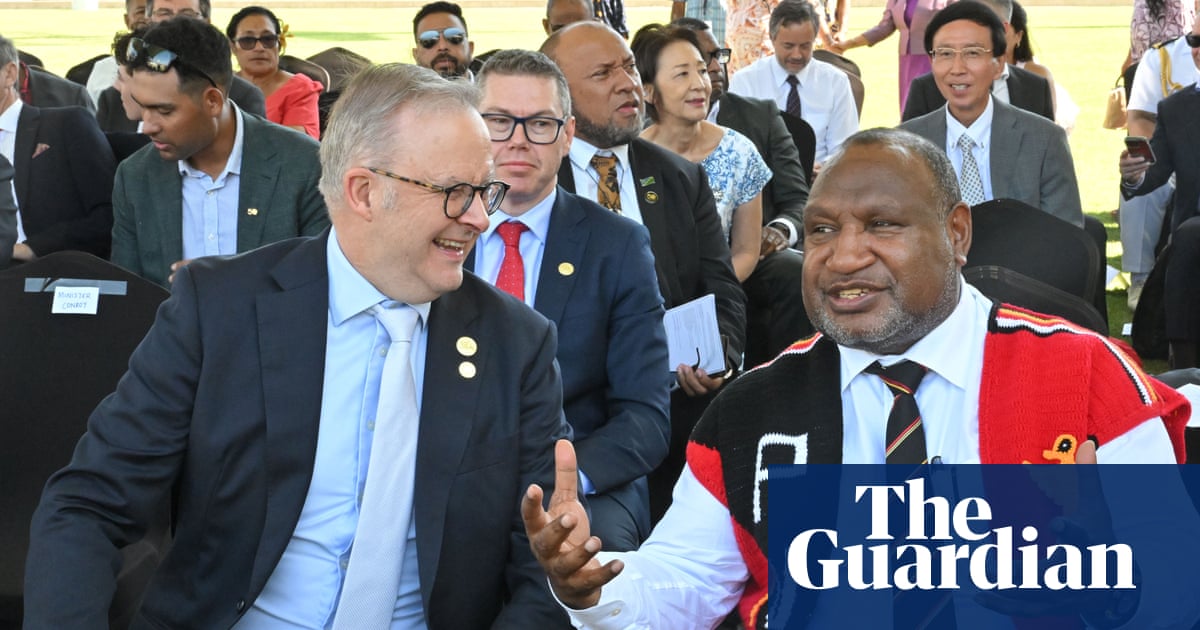
australia’s Defense Pact with PNG Stalls Amid Citizenship Demands and Opposition Criticism
PORT MORESBY, PAPUA NEW GUINEA – A proposed defence treaty between Australia and Papua New Guinea has hit a roadblock, reportedly due to contentious demands regarding the citizenship of Papua New Guineans wishing to join the Australian Defence Force (ADF). The agreement, intended to bolster regional security amid growing Chinese influence in the Pacific, is now facing scrutiny from both within PNG and from Australian opposition parties.
The impasse centres on a suggestion, reportedly made by a former Australian defence official, that Papua New Guineans seeking to enlist in the ADF should relinquish their PNG citizenship. “Why can’t they recruit their own? If Papua New Guineans want to join ADF, they should give up PNG citizenship and become Australian,” the official told Guardian Australia. This proposal has sparked debate over sovereignty and the terms of the security partnership.
PNG’s Foreign Minister, Justin Tkatchenko, described the deal as “a work in progress,” indicating it has yet to be formally approved by the PNG cabinet, with ministers scheduled to revisit the matter next week. The stalled agreement follows a similar setback in Vanuatu, where a planned $500m agreement focused on climate change resilience, security services, and economic support failed to be signed earlier this month.
The opposition in Australia has seized on the situation, with opposition leader Sussan Ley accusing Prime Minister Anthony Albanese’s goverment of prioritizing “photo opportunities” over sound foreign policy. “Anthony Albanese failed his own test,” Ley stated.”He has failed to plan for the risks in our region. This is a serious foreign policy embarrassment on his watch.”
The setbacks in both PNG and Vanuatu come as China continues to expand its influence in the Pacific through infrastructure investment and loan agreements, challenging Australia’s traditional role as the region’s primary security partner. Labor officials remain optimistic that both agreements can be finalized in the coming months, but the current delays underscore the complexities of navigating regional sensitivities and securing long-term strategic partnerships.
