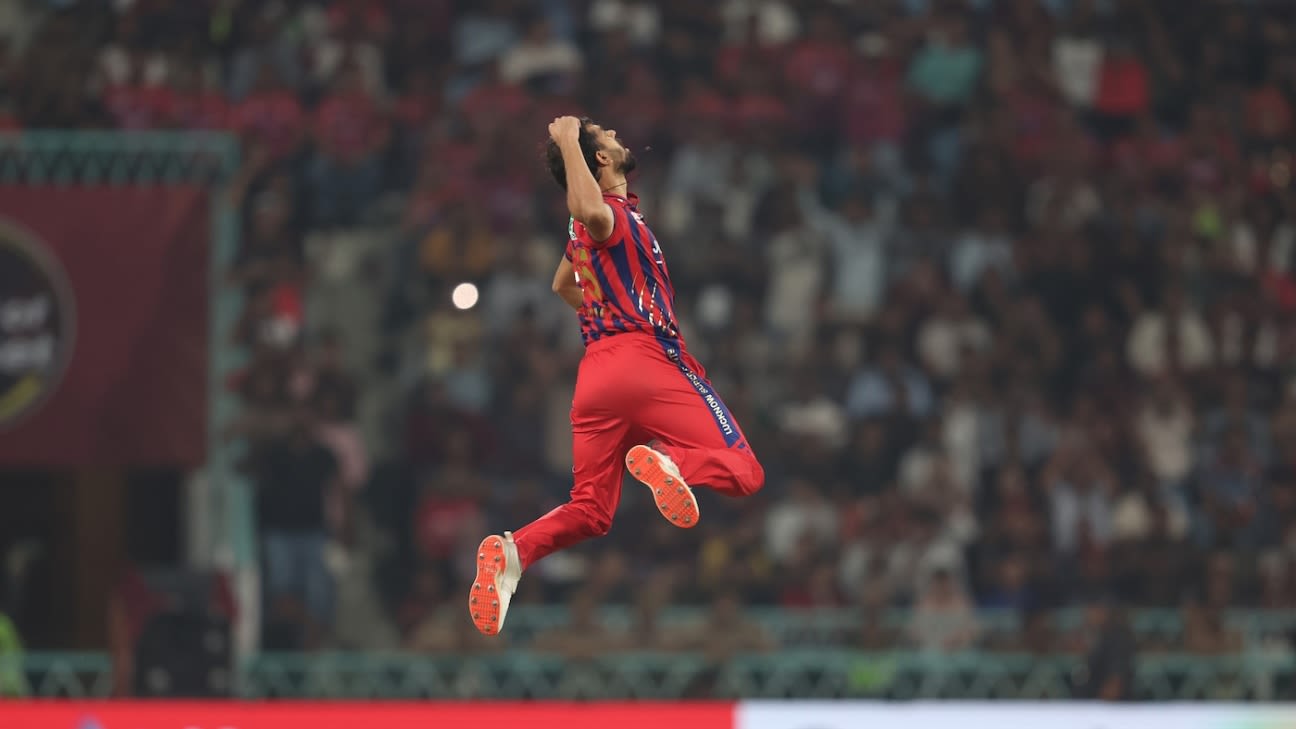
Arun: Prince, Mohsin have it in them to play for India
Lucknow Super Giants (LSG) bowling coach Bharat Arun has identified Prince Yadav, Mohsin Khan, and Mayank Yadav as high-potential candidates for the Indian national team. Highlighting their recent evolution during the IPL, Arun asserts that this fast-bowling trio now possesses the technical maturity and physical attributes required to succeed at the international level.
The transition from domestic dominance to international viability is rarely a linear path; it is a brutal war of attrition involving biomechanical refinement and psychological hardening. For a player like Prince Yadav, the journey has been particularly steep. A product of tennis-ball cricket, Yadav’s initial foray into the IPL was a case study in the “adjustment gap.” In his debut season, he managed only three wickets across six games, struggling fundamentally to calibrate his lengths for top-flight professional cricket. When a bowler cannot find the “top of off” consistently, the elite batter doesn’t just score; they dismantle the bowler’s confidence.
This technical deficit isn’t just a coaching failure; it’s a physical problem. The shift from the lighter, more erratic bounce of a tennis ball to the hard, predictable, yet demanding physics of a leather ball requires a complete overhaul of the bowler’s kinetic chain. While the raw pace is often there, the precision—the ability to hit a specific spot on the pitch with millimeter accuracy—is what separates an IPL journeyman from a national asset. For aspiring athletes in the region, this gap highlights the critical need for local orthopedic specialists and rehab centers capable of correcting gait and delivery strides before chronic injuries set in.
The Tactical Whiteboard: From Raw Pace to Strategic Execution
Bharat Arun’s confidence in the trio stems from their evolution in “game awareness.” In modern T20 cricket, pace is a commodity, but *controlled* pace is a weapon. The evolution of Mohsin Khan and Mayank Yadav suggests a shift toward a more sophisticated approach to periodization and load management. They are no longer just bowling fast; they are bowling with intent, utilizing variations in pace and seam presentation to deceive world-class batters.

“The modern fast bowler is no longer just a physical specimen; they are a tactical operator. The ability to maintain 145kph+ while adjusting the angle of attack based on real-time optical tracking data is what defines the current era of elite pace bowling.”
Looking at the raw data via ESPNcricinfo, the metrics for success in the current IPL cycle have shifted. It is no longer just about the wicket-taking strike rate, but the “dot-ball percentage” in the death overs. By suppressing the scoring rate through disciplined lengths—the exceptionally area where Prince Yadav previously struggled—the LSG trio is effectively reducing the “expected runs” per over, a metric that directly correlates to match-winning probability.
This evolution requires a support system that extends beyond the boundary rope. The mental toll of bowling at 150kph, knowing that one misplaced delivery can result in a six, necessitates high-level psychological coaching. As these players move toward national contracts, the financial stakes escalate. The leap from an IPL contract to a BCCI central contract involves complex tax implications and image rights negotiations, often requiring the intervention of specialized sports contract lawyers to ensure long-term financial security.
The Physicality of Pace and the Risk of Burnout
The pursuit of international honors often comes with a hidden cost: the risk of stress fractures and ligament tears. Mayank Yadav’s trajectory, characterized by extreme velocity, puts an immense load on the lumbar spine and ankle joints. In the high-stakes environment of the IPL, the pressure to perform often clashes with the biological necessity of recovery. This is where the “insider” perspective becomes critical—the best franchises are those that treat their bowlers like Formula 1 engines, utilizing precision tuning and mandatory downtime.

The tactical shift Arun is overseeing involves teaching these bowlers how to “bowl smarter, not just harder.” This includes the use of drop-step deliveries and subtle changes in the release point to disrupt the batter’s rhythm. When a bowler can manipulate the seam without sacrificing velocity, they become an asset that any national selector cannot ignore. For the youth players watching from the stands, this professionalization of the sport underscores the importance of enrolling in elite youth athletic programs that prioritize biomechanics over raw output.
The Lucknow Halo Effect: Local Economic Implications
The rise of a “pace battery” in Lucknow does more than just win games; it transforms the regional economy. When a franchise consistently produces national-team contenders, the city’s profile as a sporting hub rises. This “halo effect” drives significant increases in local hospitality revenues and stadium infrastructure investments. The influx of scouts, media, and traveling fans during high-profile matches creates a logistical vacuum that benefits regional vendors and luxury service providers.

The economic ripple effect is tangible. As the Lucknow Super Giants solidify their reputation for developing talent, the demand for premium sports-related services in the city spikes. From high-end physiotherapy clinics to specialized nutritionists, the ecosystem around the team becomes a catalyst for local business growth. The franchise isn’t just building a bowling attack; they are anchoring a sports-industrial complex in the heart of Uttar Pradesh.
The Trajectory Toward the National Side
Whether Prince, Mohsin, and Mayank can successfully breach the fortress of the Indian national team depends on their ability to sustain this evolution. The jump from the BCCI’s domestic structure to the International Cricket Council (ICC) stage is the ultimate test of temperament. Bharat Arun has provided the blueprint and the belief, but the execution now lies with the athletes.
The trajectory is clear: if they can maintain their current velocity while continuing to refine their lengths, they will move from being “IPL stars” to “national staples.” The evolution of the LSG trio is a testament to the power of specialized coaching and the willingness to address fundamental flaws. As they push toward the international ceiling, the world will be watching to see if the “Lucknow Pace Battery” can redefine the standard for Indian fast bowling.
For those looking to navigate the complex world of professional sports—whether you are an aspiring athlete seeking elite training or a business owner looking to enter the sports services market—the World Today News Directory remains the gold standard for finding vetted professionals in sports medicine, law, and athletic development.
Disclaimer: The insights provided in this article are for informational and entertainment purposes only and do not constitute medical advice or sports betting recommendations.