
Medical Transport Plane Crash Claims Four Lives in Arizona
Table of Contents
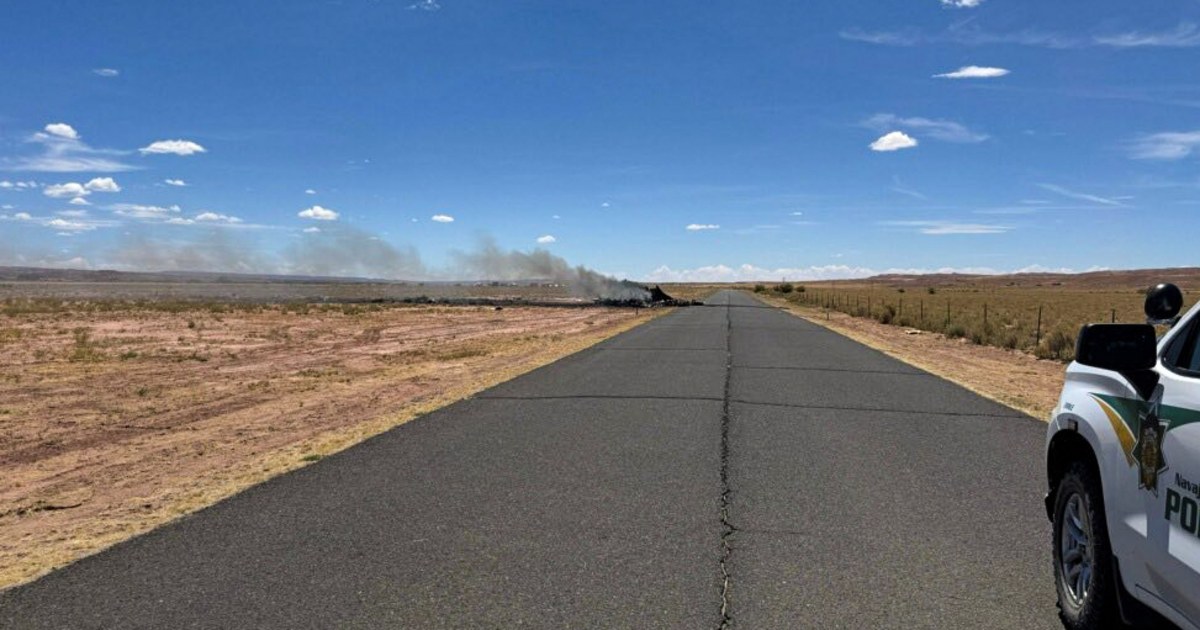
Chinle, Arizona – A medical transport plane crashed Tuesday at Chinle Municipal Airport, resulting in the deaths of all four people on board. The Beechcraft 300 dual-propeller aircraft went down while attempting to land, according to authorities.
The victims were identified as medical personnel who were en route to transport a patient from a local hospital. Navajo Nation President Buu Nygren expressed profound sorrow, stating, “These were people who dedicated their lives to saving others, and their loss is felt deeply across the Navajo Nation.”
Navajo Police have not yet released the names of the deceased, but confirmed the plane was operated by an Albuquerque-based company, which has been in contact with the families of the victims. The Federal Aviation Administration (FAA) and the National Transportation Safety Board (NTSB) are currently investigating the cause of the crash.
This incident highlights the inherent risks associated with medical transport,especially in challenging geographic locations. Medical flights are often critical for delivering timely care to patients in remote areas, but rely heavily on pilot skill and aircraft maintenance.
The Role of Medical Transport in Rural Healthcare
Medical air transport plays a vital role in providing access to healthcare for individuals in rural and underserved communities.These services are frequently utilized for emergency situations, organ transplants, and specialized medical care that may not be available locally. The Navajo Nation, with its vast territory and limited healthcare infrastructure, relies heavily on medical flights to ensure its residents receive necessary treatment.
The safety of medical transport is paramount, and stringent regulations are in place to govern operations. These regulations cover pilot training, aircraft maintenance, and weather conditions. However, accidents can still occur, underscoring the need for continuous advancement in safety protocols and technology.
Historically, the use of air ambulances has increased significantly over the past few decades, driven by factors such as an aging population, the rise of chronic diseases, and the consolidation of healthcare facilities. this trend is expected to continue, making medical transport an increasingly critically important component of the healthcare system.
Frequently Asked Questions About Medical Transport Accidents
- What causes medical transport plane crashes?
- several factors can contribute to these accidents, including weather conditions, mechanical failures, pilot error, and inadequate maintenance. Investigations by the FAA and NTSB aim to determine the specific cause in each incident.
- how is the safety of medical flights regulated?
- The FAA establishes strict regulations governing all aspects of medical air transport, including pilot qualifications, aircraft maintenance, and operational procedures. These regulations are designed to minimize risks and ensure patient safety.
- What is the role of the NTSB in investigating plane crashes?
- The National Transportation Safety Board is an independent federal agency responsible for investigating all civil aviation accidents in the United States. The NTSB’s investigations aim to identify the probable cause of accidents and make recommendations to prevent future occurrences.
- How does this crash impact healthcare access on the Navajo Nation?
- the loss of these medical personnel will undoubtedly create challenges for healthcare delivery on the Navajo Nation,particularly in terms of emergency medical services. Choice arrangements will need to be made to ensure continued access to critical care.
- What are the risks associated with flying in remote areas like the Navajo Nation?
- Remote areas frequently enough present unique challenges for aviation, including unpredictable weather patterns, limited navigational aids, and the absence of readily available emergency services. These factors can increase the risk of accidents.
- What steps are being taken to improve medical transport safety?
- Ongoing efforts to enhance safety include advancements in aircraft technology, improved pilot training programs, and the implementation of more robust safety management systems. The FAA and industry stakeholders are continuously working to identify and address potential hazards.
Disclaimer: This article provides facts about a tragic event and does not offer medical, legal, or financial advice.
