Arizona Budget Clash: Hobbs and Republicans Split on Education Funding
Arizona’s political leaders remain locked in a high-stakes budget showdown as Governor Katie Hobbs and Republican lawmakers clash over a nearly $18 billion plan, with deep divisions over education funding and the future of the state’s controversial Empowerment Scholarship Accounts (ESA) program. The standoff, unfolding as of May 6, 2026, threatens to reshape public education, local infrastructure investments, and fiscal priorities across Arizona’s cities and towns. At its core, this conflict isn’t just about numbers—it’s a battle over Arizona’s long-term trajectory: whether to prioritize tax cuts, expand school choice, or shore up public services in a state grappling with rapid growth and aging infrastructure.
The Fiscal Divide: Hobbs vs. The GOP
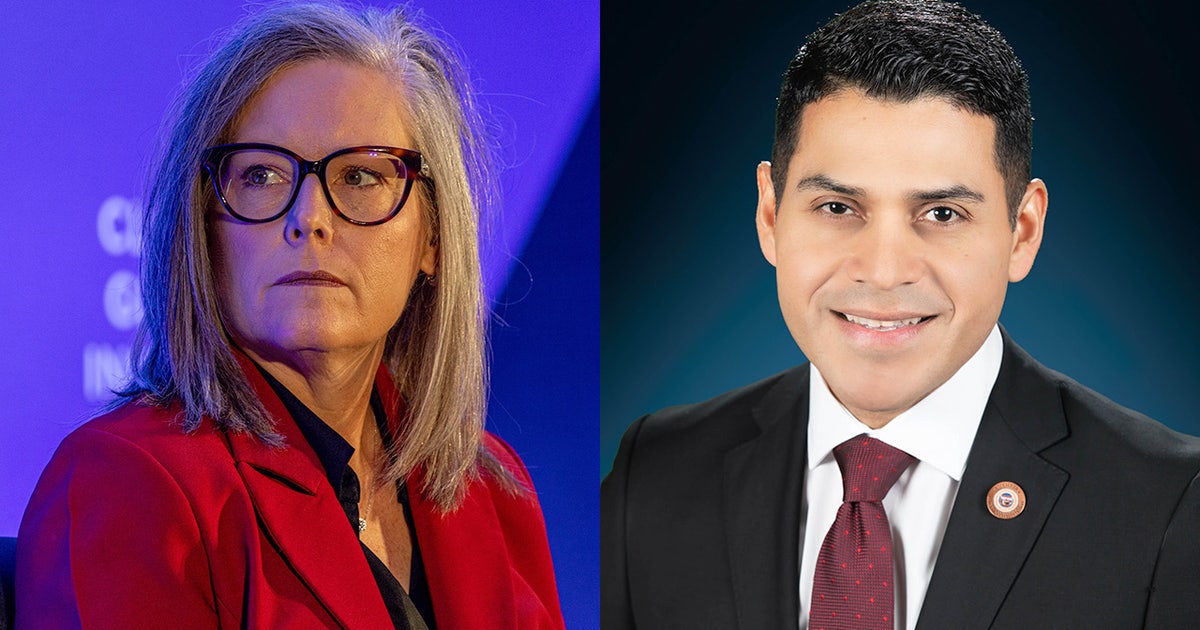
Governor Hobbs’s proposed budget, totaling approximately $18.2 billion, seeks to allocate additional funds to K-12 education, including targeted increases for teacher salaries and school facility upgrades. Her plan also includes measures to cap ESA eligibility based on family income—a move designed to curb what critics call the program’s ballooning costs and uneven oversight. Republicans, led by Senate President Warren Petersen, have countered with a $17.9 billion budget that slashes $800 million from Hobbs’s proposal, redirecting funds toward tax relief and expanding ESA eligibility without income restrictions.

“This budget isn’t just about dollars and cents—it’s about values. Arizona families deserve choices, and we’re delivering them.”
The ESA program, which allows state-funded vouchers for private or homeschooling expenses, has become the flashpoint. Since its expansion in 2021, enrollment has surged, with over 120,000 students participating in 2025—a 40% increase from the prior year. Critics argue the program diverts critical funds from public schools, while supporters frame it as a lifeline for families seeking alternatives to underperforming districts. Hobbs’s push to cap eligibility at $150,000 annually for families has sparked legal challenges, with lawsuits already filed by ESA users alleging the restrictions violate parental rights (ABC15).
Local Infrastructure: The Unseen Casualty
Beyond the headlines, the budget impasse threatens Arizona’s municipal governments, which rely on state shared revenues to fund critical services. Cities like Phoenix, Tucson, and Sierra Vista—already strained by population growth and rising costs—face a potential shortfall if Hobbs’s vetoes of GOP tax cuts take effect. The Republican plan’s $1.45 billion in tax relief would reduce corporate and individual tax collections, directly impacting city budgets that depend on those revenues for roads, water systems, and public safety.
| Budget Proposal | Total Allocation | Education Focus | ESA Policy | Tax Impact |
|---|---|---|---|---|
| Governor Hobbs (D) | $18.2B | Increased K-12 funding, teacher pay raises | Income cap for ESA eligibility | No major tax cuts |
| Republican Legislature | $17.9B | Flat funding, ESA expansion | No income restrictions | $1.45B in tax relief |
Cities like Sierra Vista, which have seen slower growth, are particularly vulnerable. Finance Director David Felix warns that without state support, local governments may struggle to maintain essential services. “We’re already seeing delays in infrastructure projects given that of uncertain state funding,” Felix told AZPM. “If this budget stalemate drags on, we’ll have to make painful cuts to roads and utilities.” (AZPM)
The ESA Enigma: Costs, Controversies, and Court Battles
The ESA program’s financial sustainability is under scrutiny. A 2025 audit revealed that the Arizona Department of Education failed to comply with state audit laws for nearly a year, prioritizing daily operations over financial transparency as voucher costs approached $1 billion annually (AZ Mirror). Parents like Rosemary McAtee, who rely on ESA funds for homeschooling, are now facing stricter reimbursement rules for educational materials—a change that could force some families to scale back their learning resources.
“We’re not asking for handouts. We’re asking for the same opportunities as families who send their kids to private schools. But now, the state is making it harder to access those funds.”
Legal experts predict the income cap debate will escalate. “The courts will likely rule on whether Hobbs’s income cap violates the Arizona Constitution’s equal protection clause,” says Arizona State University law professor Dr. Elena Martinez. “But regardless of the outcome, the program’s rapid growth has outpaced oversight, leaving a mess for someone to clean up.”
Who Wins? Who Loses?
The budget clash exposes Arizona’s fractured priorities. Public school districts, already grappling with teacher shortages, may notice further funding cuts if the GOP’s plan prevails. Meanwhile, private schools and homeschooling families could gain access to more state dollars—but at the risk of deeper fiscal instability. Local governments, caught in the middle, face a stark choice: tighten belts or lobby for federal aid to offset state shortfalls.

For businesses and families navigating this uncertainty, the stakes are clear. With regional infrastructure under pressure and education funding in flux, securing expert guidance is critical. Municipalities may require to consult specialized municipal finance attorneys to navigate state revenue shifts, while school districts could benefit from partnerships with education policy analysts to optimize limited resources. Parents exploring ESA options should work with education law firms to understand the evolving legal landscape.
The Long Game
This budget battle isn’t just about 2026. It’s a referendum on Arizona’s future. Will the state double down on school choice, even as oversight lags? Or will it invest in public education and infrastructure, risking political backlash from tax-cut advocates? The answer will determine whether Arizona’s growth story remains a model of opportunity—or a cautionary tale of divided priorities.
The clock is ticking. By the end of June, Hobbs must act on the GOP’s budget. If she vetoes key provisions, the legislature could override her—or call a special session. One thing is certain: the fallout will ripple across Arizona’s economy, its classrooms, and its cities for years to reach.
Need to act now? Whether you’re a local government official, an educator, or a parent, the time to prepare is today. Explore verified professionals in our Global Directory who specialize in navigating Arizona’s evolving fiscal and educational landscape.