
Apple Accelerates AI Progress with New Generative Model
Cupertino, California – Apple is quietly building its own generative artificial intelligence (AI) model to directly challenge industry leaders like OpenAI‘s ChatGPT, Google’s gemini, and Anthropic’s Claude. This strategic move signals a significant shift for the tech giant, addressing concerns that it was falling behind in the rapidly evolving AI landscape.
Internal Project: AKI
The enterprising project, operating internally under the team name “Answers, Knowledge and Information” (AKI), aims to create an AI system capable of answering general knowledge questions using web-based data. This new system will offer a more advanced and contextually aware conversational experience than Apple’s current voice assistant, Siri.
integration with Apple Intelligence
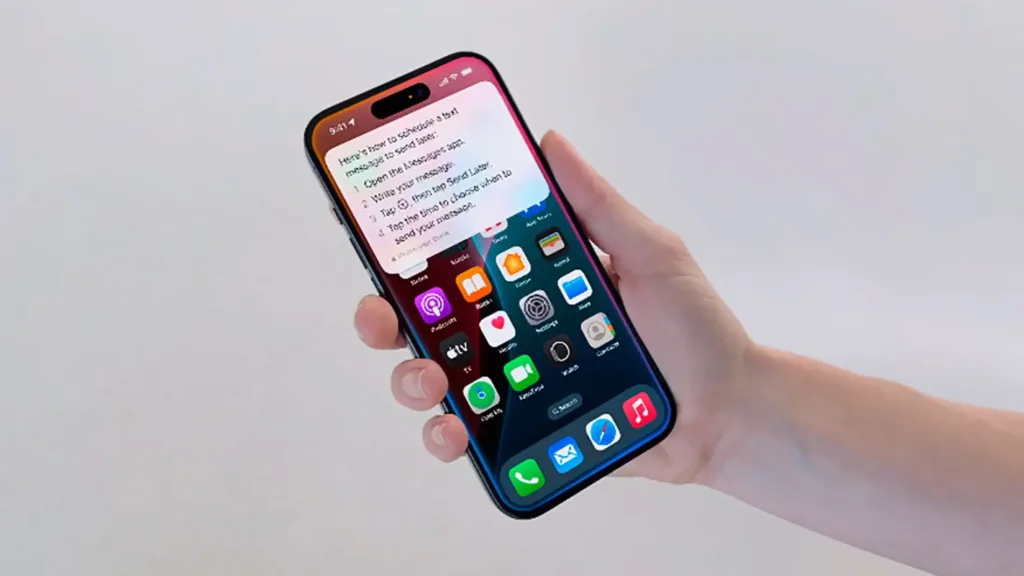
The new model will be integrated into Apple Intelligence, the generative AI platform officially unveiled in 2024. apple Intelligence already utilizes linguistically trained models capable of functioning both on-device and within the cloud via its Private Cloud Compute system.
Did You Know?
Apple’s commitment to on-device processing is a key differentiator,prioritizing user privacy and data security.
privacy as a core Tenet
Unlike many competitors, Apple is prioritizing user privacy in its AI development. The company intends to execute many AI tasks directly on user hardware, upholding its long-standing reputation for data protection. The development model will encompass varying sizes, ranging from 3 billion to 150 billion parameters, with the largest comparable to state-of-the-art models like GPT-4O.
Strategic Imperatives Driving Development
Several factors prompted Apple to accelerate its AI development. The company faced criticism for lagging behind OpenAI and Google in the AI race. Moreover, a pressing need to revitalize Siri, which has become outdated compared to modern chatbot capabilities, became apparent. While improvements were showcased during WWDC 2025 under the Apple Intelligence umbrella, many experts deemed them insufficient.
Apple also seeks to establish itself as a provider of a safer, more private AI option, reducing reliance on third-party models like those from OpenAI.This aligns with Apple’s broader strategy of controlling the entire user experience, from hardware to software.
Impact on User Experience and Developers
For consumers, the new AI model promises a dramatically improved Siri experience, capable of providing precise and in-depth answers to complex questions, generating fluent text, summarizing content, interpreting images, and functioning as a robust productivity assistant-all while safeguarding user privacy.For developers, integration of these models into Apple’s Foundation Foundation Models will unlock new interactive possibilities within apps, reducing cloud dependency and accelerating response times.
Pro Tip:
Developers should begin familiarizing themselves with Apple’s Foundation Foundation Models to prepare for the integration of these new AI capabilities.
Industry Implications
Apple’s entry into the generative AI model development arena is poised to reshape the competitive landscape. While existing agreements with OpenAI provide limited functionality, Apple intends to replace these partnerships with an internal solution, granting greater control and aligning with its privacy and design principles. This move could perhaps disrupt the current AI market dynamics.
Launch Timeline and Challenges
Despite the ambitious goals, significant challenges remain. Apple must achieve comparable quality to leading AI models, address common issues like hallucinations and misinterpretations, and ensure the AI enhances-rather than compromises-the user experience and Apple’s reputation for reliability.
The initial deployments are anticipated in 2026,coinciding with a comprehensive Siri overhaul. This renewal will encompass technical enhancements, a redesigned interface, and a more conversational, contextually aware user experience integrated throughout the Apple ecosystem. What features would you like to see in the new Siri?
| Milestone | Date |
|---|---|
| Apple Intelligence Launch | 2024 |
| Internal AI Model Development Begins (AKI Team) | 2025 |
| Expected Siri Overhaul & AI Deployment | 2026 |
The Future of AI and Apple
the development of generative AI is rapidly transforming numerous industries, and Apple’s investment signifies its commitment to remaining at the forefront of technological innovation. The focus on privacy and on-device processing sets Apple apart, potentially attracting users who prioritize data security. The long-term success of Apple’s AI strategy will depend on its ability to deliver a seamless, intuitive, and trustworthy experience.
Frequently Asked Questions
- What is Apple’s primary goal with its new AI model? Apple aims to create a generative AI model that prioritizes user privacy and offers a more advanced conversational experience than Siri.
- When is the new AI model expected to launch? Initial deployments are anticipated in 2026, coinciding with a major Siri overhaul.
- How will Apple’s AI model differ from competitors like ChatGPT? Apple’s model will emphasize on-device processing and data privacy, setting it apart from cloud-based solutions.
- What is the AKI team? AKI stands for “answers,Knowledge and Information,” and it is the internal Apple team responsible for developing the new AI model.
- Will developers be able to integrate Apple’s AI into their apps? Yes, Apple plans to integrate the models into its Foundation Foundation Models, allowing developers to create new AI-powered features.
we’re excited to see how Apple’s advancements in artificial intelligence will shape the future of technology. Share your thoughts in the comments below,and don’t forget to subscribe to World Today News for the latest updates!
