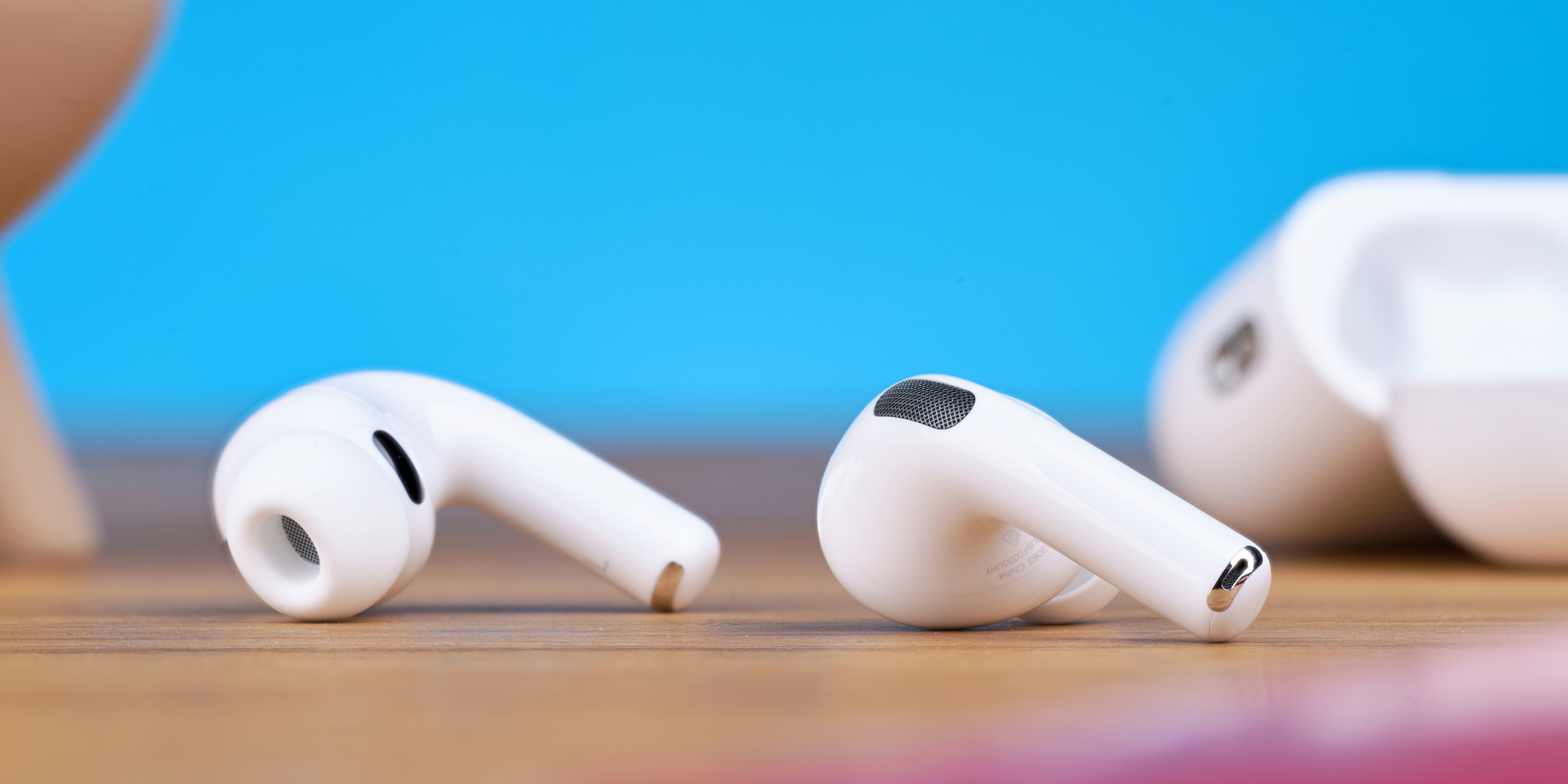
Apple AirPods Pro 3: 8-Stunden-ANC-Akku, Manueller EQ via iOS 27, Proprietärer Puls-Pfad
Apple’s AirPods Pro 3 now ship with eight hours of battery life with active noise cancellation switched on — up from six hours on the AirPods Pro 2, and level with the Sony WF-1000XM5, hifi.de reported in its test of the third-generation earbuds.
And since the iOS 27 rollout, they finally carry a manual equalizer.
The Tech TL;DR:
- Apple’s three-band EQ arrived with iOS 27 in June 2026, ending years in which the company only “recommended” its factory sound profile.
- The heart-rate sensor streams over a proprietary Apple protocol, not the standard Bluetooth HR profile Beats uses on the Powerbeats Pro 2 — third-party equipment stays locked out.
- No Android app, no true multipoint, no Auracast: buyers outside the Apple ecosystem get sound and ANC, little else.
Eight hours, with ANC running
The battery figure anchors hifi.de’s verdict. Eight hours per charge with noise cancellation active matches the Sony WF-1000XM5, the outlet’s current test leader, and leaves the AirPods Pro 2’s six hours behind. With the case, Apple claims 24 hours total. Five minutes of fast charging buys an hour of playback, and wireless charging is supported.
Bluetooth is where the upgrade stops, hifi.de found. The earbuds run Bluetooth 5.3, which technically supports Auracast, but Apple has not enabled it — the cheaper EarFun Air Pro 4 already does, according to Hifi. Instead, Apple offers a proprietary sharing feature that streams audio to other Apple headphones, and automatic device switching within the Apple fleet. True multipoint, holding an iPhone and a PC simultaneously, is absent.
The equalizer Apple shipped late
On June 29, 2026, hifi.de updated its review after iOS 27 added a full manual three-band equalizer to the AirPods Pro 3. Before that, tailoring the sound meant workarounds that were “not reliable,” the outlet wrote. The update does not change the overall score awarded at launch, but it lifts the sub-score for controls and operation.
The settings live in the iOS Settings app — Apple still ships no dedicated app. Heart-rate measurement, conversation awareness, adaptive audio and a hearing-test feature for use as a hearing aid all sit in that menu. Head gestures, carried over from the AirPods 4 ANC, answer or decline calls without touching the phone, and ANC can now run on a single earbud for side sleepers.
Sound: bass forward, stage wide
In hifi.de’s listening tests, the Pro 3 keep the detailed treble and wide, accurate stage of the Pro 2 and add deeper bass. On Alt-J’s “Breezeblocks,” the plucking of the bass came across as almost haptic, the outlet wrote. Against the Sennheiser Momentum True Wireless 4, the test produced no outright winner: Sennheiser edges cleaner detail, Apple plays a more immersive stage. Podcasts and speech content pass muster across the board.
The heart-rate sensor’s locked door
The new pulse sensor works well inside Apple’s own stack — readings are accurate, with a short lag in transmission, hifi.de found. The architecture differs from Beats, an Apple-owned brand: the Powerbeats Pro 2 transmit heart rate over the standard Bluetooth HR profile, so they pair with third-party gym equipment.
Apple’s sensor uses a proprietary transmission path and excludes non-Apple products, though some third-party apps can read the data the AirPods supply to the iPhone.
The live translation feature, heavily featured in Apple’s launch presentation, reached Europe later — and, as hifi.de suspected, also landed on the AirPods Pro 2 and the AirPods 4 ANC. It handles in-person and phone conversations, plays translations through the iPhone’s speaker or shows them on screen, and works offline once language packs are downloaded. On its own, it is not a reason to buy the Pro 3.
Who gains, who loses
Android buyers lose most of the feature set. Sound, fit and ANC work over a plain Bluetooth connection, but personalization, head tracking, the equalizer, gestures and the translator all require an Apple device; hifi.de advises against pairing the Pro 3 with Android except for those basics. The pattern is industry-wide — Samsung’s Galaxy Buds3 Pro and Google’s Pixel Buds Pro 2 also run best on their maker’s phones.
Hifi.de priced the AirPods Pro 3 at 209 euros with a 16 percent discount from 249 euros at the listed retailer at the time of the review. The outlet’s bottom line: the Pro 3 confirm the Pro 2’s reputation as the all-rounder for Apple users, with better battery, sound and ANC, and a competent pulse sensor.
The closed-ecosystem approach that hifi.de’s test keeps running into is old habit for Apple. The company was founded in 1976 in Cupertino, California, by Steve Jobs and Steve Wozniak to market the hand-built Apple I computer, financed partly by Jobs selling his Volkswagen Bus. Its early machines helped establish the home computer market, and the 1984 Macintosh popularized the mouse-driven graphical interface.
After near-collapse in the 1990s, Apple returned through the iPod, iPhone and iPad, and in 2018 became the first publicly traded US company valued at over 1 trillion dollars; as of November 2025 it stands at just over 5 trillion. Since 2007 it has carried its current name, having dropped “Computer” as its focus widened from machines to consumer electronics — AirPods included.
Where the lock-in question goes next
The open question is software. Hifi.de suggested Apple may deliver Auracast in a future update, likely with heavy marketing, the way the translator feature arrived after launch. Until then, Marshall, Sennheiser and others ship the open standard while Apple holds its ecosystem closed — and buyers choosing between them should weigh interoperability against the eight-hour battery and the now-manual EQ.