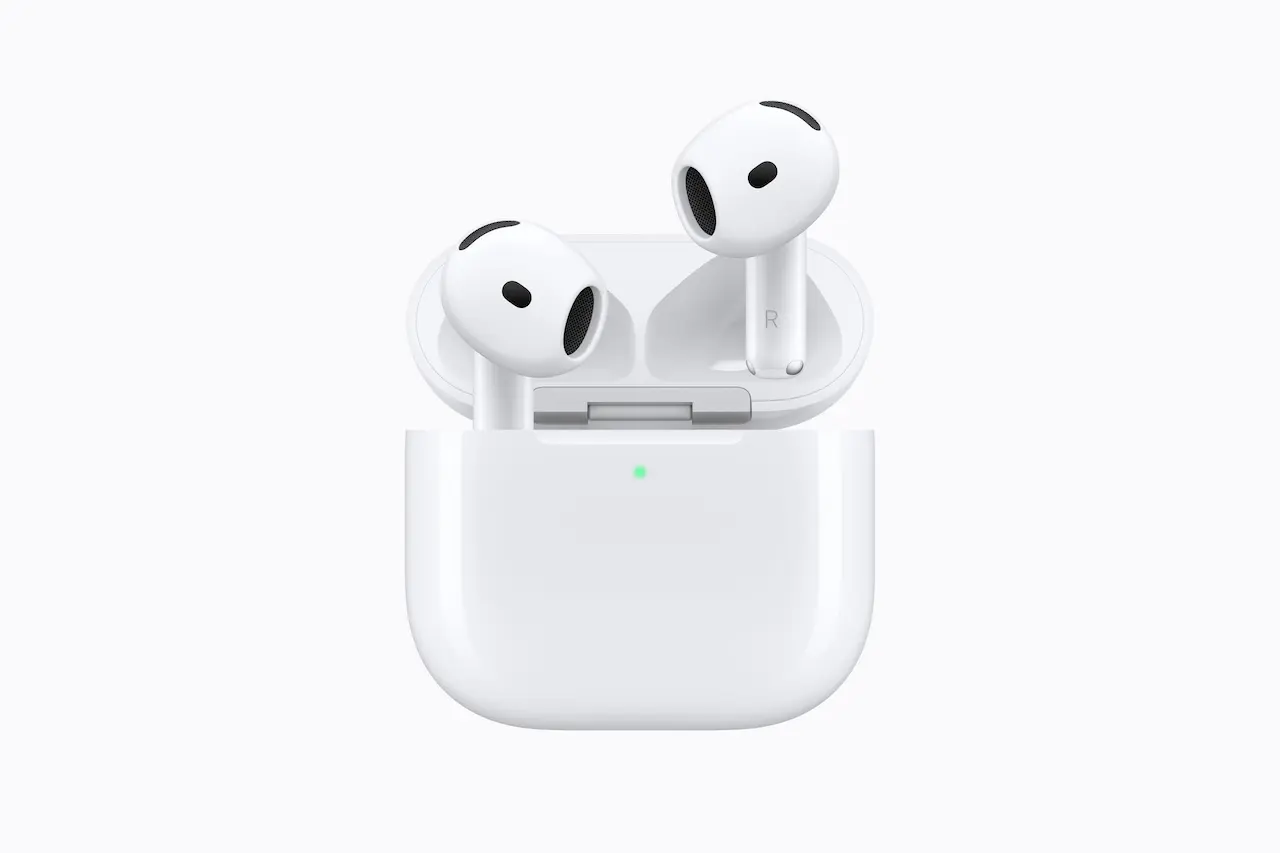
Apple AirPods 5 With Wireless Charging Case Priced at 3,999 Pesos
Apple AirPods 5 Launch Brings Acoustic Architecture Upgrades and AI Translation
Apple officially announced the AirPods 5 on September 9, 2026, introducing a multipuerto acoustic architecture and computational audio algorithms designed to deliver advanced active noise cancellation (ANC) for an open-ear hardware design. According to reporting by Digital Trends, the new headphones promise up to 50% more external noise reduction than the AirPods 4 with ANC, while starting at an entry price of USD $129, alongside a USD $149 variant featuring a wireless charging case.
The Tech TL;DR:
- Hardware Design: Retains the classic open-ear form factor without silicone ear tips, utilizing a new multipuerto acoustic architecture inspired by the AirPods Pro 3 (as reported by Cinco Días).
- Acoustic Performance: Eliminates up to 50% more ambient noise than previous open-ear iterations through updated computational audio algorithms and adaptive equalization.
- Software Integration: Leverages Apple Intelligence and iOS 27 features to enable real-time translation, hands-free conversational contexts, and head gesture controls.
Architectural Breakdown and Hardware Specs
By adapting design concepts from the AirPods Pro 3, Apple engineered a multipuerto acoustic routing system for the AirPods 5. According to Cinco Días, this system works alongside an updated adaptive equalizer that continuously scans how sound pressure levels enter the ear canal, dynamically recalibrating audio output frequencies to match individual ear geometries.
The upgraded wireless charging variant, priced at USD $149 (or 169 euros per Cinco Días), integrates a dedicated pressure sensor along the stem exterior. This capacitive interface supports volume adjustments via direct vertical touch sliding. Battery metrics scale up to 5 hours of continuous playback with ANC enabled, pushing a total cumulative runtime of 22 hours when utilizing the included charging case.
Software Ecosystem and Apple Intelligence Integration
The operational capabilities of the AirPods 5 tie directly into the broader software ecosystem arriving with iOS 27. Per Digital Trends, the hardware utilizes Siri AI extensions to parse conversational context locally and via cloud processing. This enables Live Translation features, allowing users to listen to foreign language dialog directly through the earbuds while synced with the native Translate application.

Furthermore, the sensor array supports head-tracking physics for spatial audio alongside gesture-based controls, letting users accept or decline system prompts via physical nods or shakes.
// Example cURL request simulating a secure auxiliary telemetry check for iOS 27 accessories
curl -X POST https://api.apple.com/v27/accessories/telemetry
  -H "Authorization: Bearer YOUR_ACCESS_TOKEN"
  -H "Content-Type: application/json"
  -d '{"device": "AirPods5", "firmware": "latest", "metrics": ["anc_efficiency", "battery_health"]}'
Environmental Standards and Global Rollout Timeline
According to Digital Trends, the units utilize 40% recycled content overall, featuring 100% recycled cobalt within the internal battery architecture and 70% post-consumer recycled plastic inside the wireless charging casing. Retail availability begins globally on September 18, 2026, spanning over 65 countries with pre-orders opening immediately following the announcement.
Frequently Asked Questions
Do the AirPods 5 require silicone ear tips for noise cancellation?
No. According to Cinco Días and Digital Trends, the AirPods 5 maintain an open-ear design philosophy without silicone tips, achieving active noise cancellation through a multipuerto acoustic architecture and computational audio algorithms.
What software is required for the real-time translation features?
The live translation functionality relies on Apple Intelligence features tied to iOS 27 and compatible host devices, as noted in the official hardware announcements.