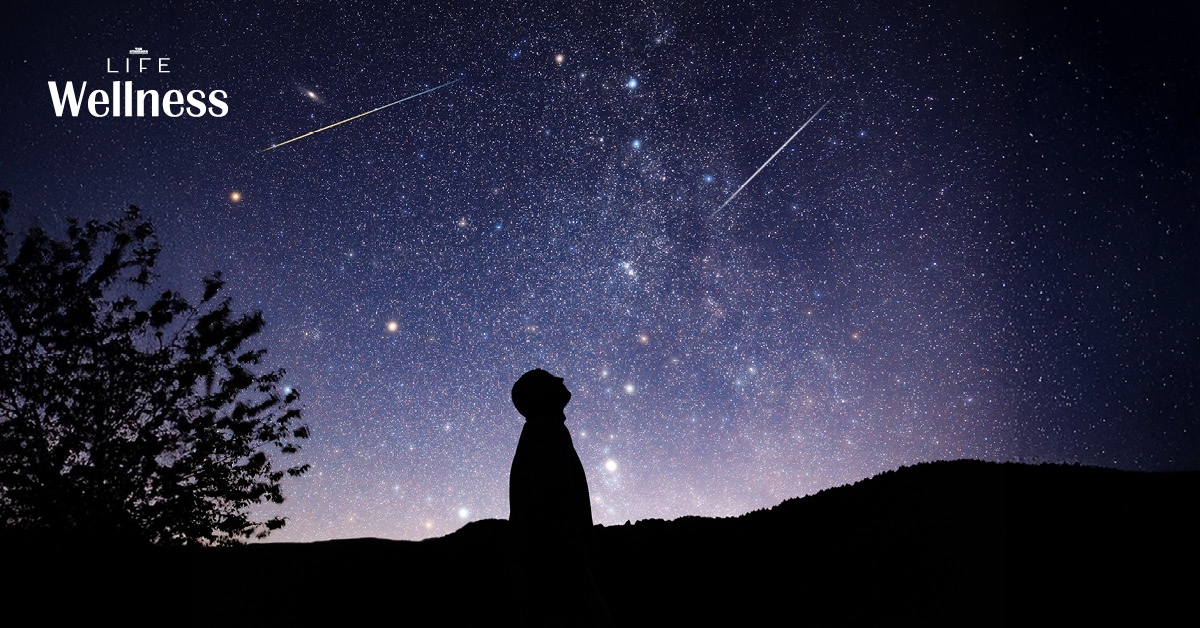
Star Bathing: How Stargazing Heals the Soul
Stepping away from artificial illumination to gaze at the night sky—a practice increasingly known as star bathing—offers measurable psychological restoration by lowering cognitive fatigue and reducing physiological markers of stress according to environmental psychology studies published via PubMed. As urban populations face rising rates of chronic stress and sleep disruption, researchers are evaluating how low-light nocturnal environments impact the autonomic nervous system.
Key Clinical Takeaways:
- Star bathing engages sensory reduction strategies, lowering sympathetic nervous system arousal.
- Exposure to natural nocturnal darkness supports circadian rhythm regulation and melatonin synthesis.
- Patients dealing with chronic anxiety or burnout should consult vetted mental health professionals to integrate evidence-based relaxation modalities.
The Neurobiological Impact of Nocturnal Nature Exposure
Modern environments expose individuals to constant visual and auditory stimuli, driving sustained activation of the prefrontal cortex and elevating cortisol production. When individuals engage in star bathing or intentional dark-sky observation, the sudden drop in environmental complexity allows the brain’s directed attention mechanisms to recover. According to behavioral health research indexed in PMC, immersion in natural settings—even during nighttime hours—mitigates mental exhaustion through the activation of involuntary attention pathways.
From an endocrine perspective, reducing exposure to blue-spectrum artificial light during evening hours preserves endogenous melatonin production. This hormonal preservation directly influences sleep architecture, improving slow-wave sleep phases which are essential for emotional regulation and cellular repair. Clinical assessments regularly track these parameters when evaluating patients with mood disorders or insomnia.
Evaluating Stress Pathways and Clinical Applications
While outdoor exposure traditionally centers on daytime sunlight, night sky observation introduces distinct psychological variables. The sheer scale of a clear nocturnal sky often elicits a sense of awe, a psychological state shown in clinical literature to reduce pro-inflammatory cytokine levels. For individuals managing clinical anxiety, integrating structured outdoor routines can complement standard-of-care psychotherapies.
Patients experiencing persistent sleep disturbances or overwhelming psychological distress require targeted clinical intervention rather than lifestyle adjustments alone. Establishing an accurate diagnosis and structured treatment plan involves expert evaluation. It is highly recommended to consult with board-certified psychiatrists or specialized [Relevant Clinic/Professional/Service] providers to tailor interventions safely.
Translating Environmental Interventions Into Patient Care
Integrating environmental medicine into daily routines demands an understanding of individual contraindications, such as safety concerns related to nighttime outdoor activities or specific sleep disorders that mimic simple fatigue. Healthcare providers emphasize that while nature-based therapies offer supportive benefits, they function best as adjunctive elements within a broader clinical framework. Comprehensive wellness strategies often require collaboration with multidisciplinary care teams, including diagnostic specialists and [Relevant Clinic/Professional/Service] entities.
As clinical investigations continue to quantify the psychological benefits of dark-sky access, public health initiatives are increasingly recognizing the value of light pollution reduction. Preserving access to natural nocturnal environments supports both community-level public health outcomes and individual resilience against stress-related morbidity.
Disclaimer: The information provided in this article is for educational and scientific communication purposes only and does not constitute medical advice. Always consult with a qualified healthcare provider regarding any medical condition, diagnosis, or treatment plan.