Antigen-Specific T Cells for Pediatric CNS Tumors: ReMIND Phase 1 Trial Results
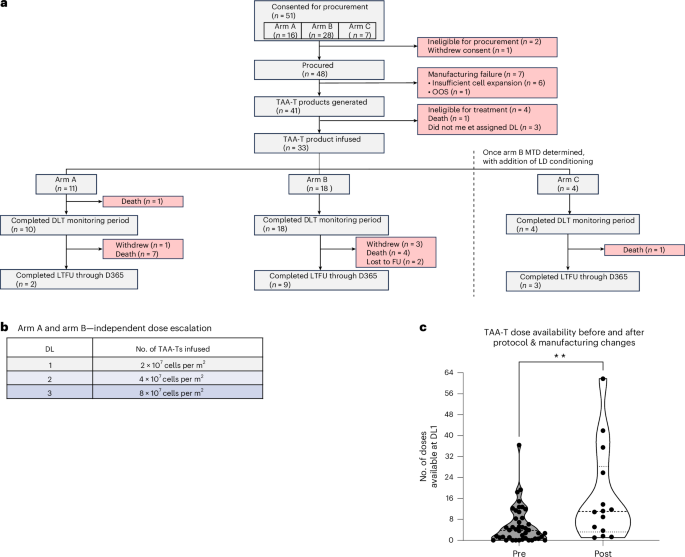
The phase 1 ReMIND trial, published June 30, 2026, in Nature Medicine, has demonstrated that tumor-associated antigen-specific T cells can be safely administered to pediatric patients with central nervous system (CNS) tumors. Researchers observed one complete response and three long-term responders among the study cohort.
- The ReMIND trial marks a safety test for using tumor-associated antigen-specific T cells in children with CNS tumors.
- Clinical outcomes included one complete response and three long-term responders.
- The treatment protocol was generally well tolerated.
The Clinical Challenge of Pediatric CNS Malignancies
Pediatric CNS tumors present a complex challenge in oncology. The ReMIND trial, as detailed in Nature Medicine (doi:10.1038/s41591-026-04449-9), shifts the focus toward immunotherapy, specifically leveraging tumor-associated antigen-specific T cells.

Evaluating Efficacy and Safety in the ReMIND Trial
The phase 1 study focused on assessing the toxicity profile of the experimental T cells. The treatment was generally well tolerated. The documentation of long-term responders suggests that the cells were capable of persisting within the CNS environment.
For families seeking specialized care, it is vital to consult with pediatric neuro-oncology specialists who are equipped to evaluate eligibility for emerging clinical trials.
Biological Mechanisms and Immune Persistence
The researchers noted that the persistence of these cells is a key indicator of potential durability in clinical response. In pediatric populations, the immune system often responds differently than in adults, necessitating precise dosing strategies.
Experts in the field emphasize that while these initial results are promising, they do not replace the current standard of care. Patients and caregivers should engage with clinical trial diagnostic centers to ensure that genomic profiling of the tumor aligns with the specific antigens targeted by these investigational therapies.
Future Trajectory and Clinical Integration
As the medical community moves toward the next phase of research, the focus will likely expand to include larger cohorts to better define the duration of response and the potential for late-onset adverse events. The integration of such advanced therapies into clinical practice requires a robust infrastructure, including specialized laboratory facilities for T cell expansion and monitoring.
Healthcare providers, including oncology centers and hospital systems, are currently evaluating the logistical demands of administering cellular therapies. For institutions planning to adopt these protocols, retaining healthcare compliance attorneys is an essential step in navigating the regulatory requirements regarding gene-modified cell products. The progress reported in the ReMIND trial provides a roadmap for future research.
Disclaimer: The information provided in this article is for educational and scientific communication purposes only and does not constitute medical advice. Always consult with a qualified healthcare provider regarding any medical condition, diagnosis, or treatment plan.