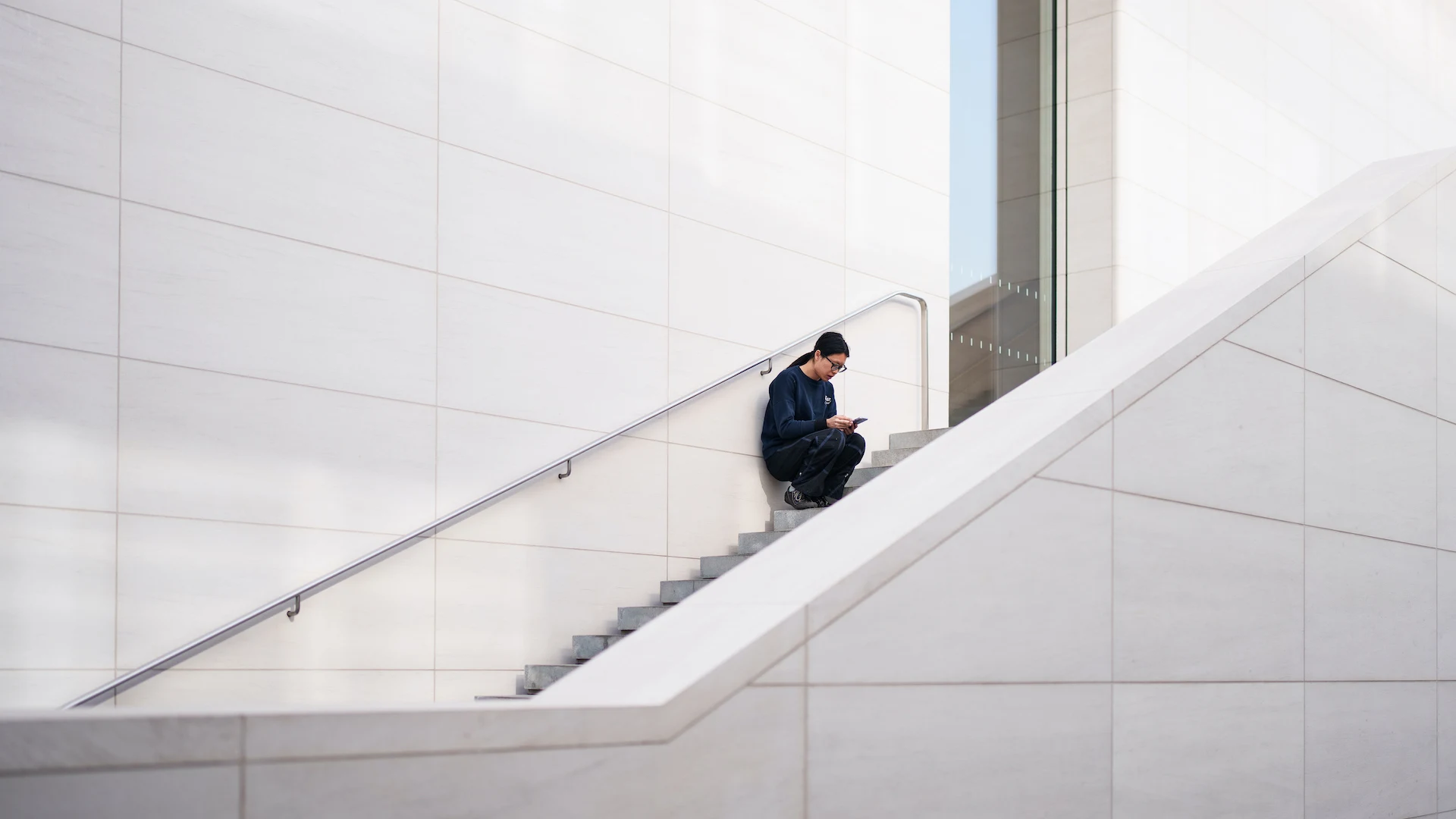
Anti-Doomscrolling Influencers Combat Social Media Addiction
The Rise of ‘De-Influencing’: Why Creators Are Telling You to Log Off
For years, the dominant narrative on social media has been one of relentless growth, engagement, and the pursuit of online validation. But a quiet rebellion is brewing. A growing number of content creators are actively encouraging their viewers to close the app. From gentle nudges towards mindful usage to direct calls to disconnect, this emerging trend – dubbed “de-influencing” – is challenging the very foundations of the attention economy. While the concept isn’t entirely new, its recent surge in popularity, especially on platforms like TikTok, signals a growing awareness of social media’s potential downsides and a desire for a more balanced digital life. This article delves into the origins of de-influencing, the diverse approaches creators are taking, the psychological factors driving the movement, and what it means for the future of social media.
What is De-Influencing, Exactly?
De-influencing isn’t about rejecting all consumerism or social media entirely. Instead, it’s a critical response to the often-unrealistic and hyper-commercialized world presented online. Traditionally, “influencers” promote products and lifestyles, often fueled by brand partnerships and affiliate marketing. De-influencers, conversely, aim to discourage impulsive purchases, expose misleading marketing tactics, and highlight the negative impacts of constant social media consumption.
The movement encompasses a spectrum of approaches. Some creators focus on “dupes” – affordable alternatives to expensive, trendy products – encouraging mindful spending rather than outright abstinence. Others critique the performative nature of online life, urging viewers to prioritize real-world experiences and self-acceptance over curated online personas. A more assertive faction directly advocates for reducing screen time and disconnecting from social media altogether, pointing to its potential effects on mental health, productivity, and overall well-being. [1]
The Pioneers and the Platforms: Who’s Leading the Charge?
While the seeds of this movement where sown earlier, the current wave of de-influencing gained important momentum on TikTok. Creators like @yokubonis (with over 1.3 million followers as of November 2023) have become central figures, dedicating their accounts almost exclusively to raising awareness about the addictive nature of social media and the importance of digital detox. [2] Yokubonis’ videos frequently enough employ a stark,direct style,dissecting the psychological mechanisms platforms use to keep users hooked.
Though, de-influencing isn’t limited to TikTok. Creators on YouTube, Instagram, and even platforms like X (formerly Twitter) are contributing to the conversation. On YouTube, channels focused on minimalism and intentional living frequently enough incorporate de-influencing themes. Instagram accounts are increasingly featuring “reality checks” alongside polished content, showcasing the less glamorous aspects of life. The decentralized nature of the movement allows it to flourish across various platforms, reaching diverse audiences.
The Psychology Behind the Trend: Why Now?
Several factors contribute to the rise of de-influencing. The pandemic, while initially driving increased social media usage, also prompted manny to re-evaluate their priorities and relationships with technology. [3] extended periods of isolation and screen time led to a surge in reported cases of anxiety, depression, and loneliness, prompting a collective questioning of the digital world’s impact on mental health.
Moreover, a growing awareness of the manipulative tactics employed by social media companies is fueling skepticism. Documentaries like The Social Dilemma (2020) exposed the algorithms designed to maximize engagement, often at the expense of user well-being. [4] This increased transparency has empowered users to become more critical consumers of online content.
a generational shift is at play. Younger generations, particularly Gen Z, are known for their authenticity and rejection of traditional marketing.They are more likely to value genuine connection and self-expression over curated perfection,making them receptive to the de-influencing message.A 2023 study by the Pew Research Center found that a significant percentage of young adults report taking steps to reduce their social media use. [5]
The Different Faces of De-Influencing: A Spectrum of Approaches
De-influencing isn’t a monolithic movement. It manifests in several distinct ways:
* Anti-Haul Videos: These videos actively discourage viewers from purchasing specific products, often highlighting their unneeded nature or poor quality.
* “Dupe” Culture: Creators showcase affordable alternatives to expensive, trendy items, promoting mindful spending and challenging the association between price and value.
* Digital Minimalism Advocacy: This approach focuses on reducing overall screen time and intentionally disconnecting from social media to prioritize real-life experiences.
* Critique of Influencer culture: Creators expose the often-artificial and performative nature of influencer content, encouraging viewers to question the authenticity of online personas.
* Mental Health Awareness: These videos directly address the negative impacts of social media on mental health, offering coping mechanisms and resources for managing online usage.
The Impact on Brands and the future of Influencer Marketing
the rise of de-influencing poses a significant challenge to traditional influencer marketing. Brands are increasingly recognizing the need to adapt to this changing landscape. Authenticity and transparency are becoming paramount. Consumers are less likely to trust endorsements from influencers perceived as disingenuous or overly promotional.
Several trends are emerging in response:
* Micro-Influencers: