
Antarctica‘s ocean Floor Is Leaking Methane, raising Climate Change Concerns
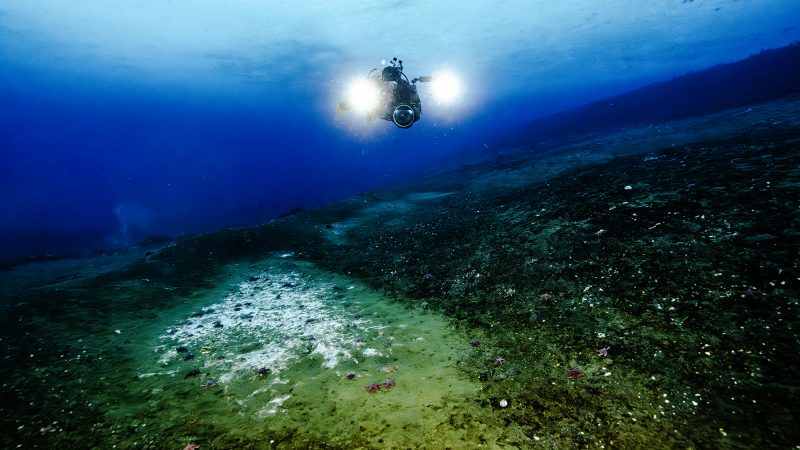
Scientists have discovered methane seeps releasing the potent greenhouse gas from the ocean floor around Antarctica, prompting investigation into whether the phenomenon is being exacerbated by climate change. The research, detailed in a recent study, reveals previously unknown levels of methane escaping from beneath the seafloor in the region.
The discovery is significant because methane is a far more powerful warming agent than carbon dioxide over a shorter period, and large-scale releases could accelerate climate change. Researchers are concerned about a potential feedback loop where warming temperatures increase methane seeps, which in turn further contribute to warming.Vast reservoirs of methane are trapped beneath Antarctica, and if disturbed, could transform the region “from a natural laboratory to an epicenter of danger,” according to Andrew Thurber, a marine biology professor at the University of California, Santa Barbara, and a study author.
The seeps were identified during a recent expedition, and scientists are returning to Antarctica next week for two months of further analysis. The team, led by Seabrook, is investigating whether the methane release is a natural occurrence or a consequence of a changing climate. Similar increased methane release has been linked to climate change impacts in the Arctic, including warmer temperatures and shifts in sea level.
“Methane is a real unknown, it’s going up in the atmosphere and we don’t know why,” Thurber told CNN. He likened the seeps to “a hazardous animal,” emphasizing the need for careful study and understanding of their potential impact. The research highlights the urgent need to understand the role of methane in climate change and the potential risks associated with its release from vast subsea reserves.
