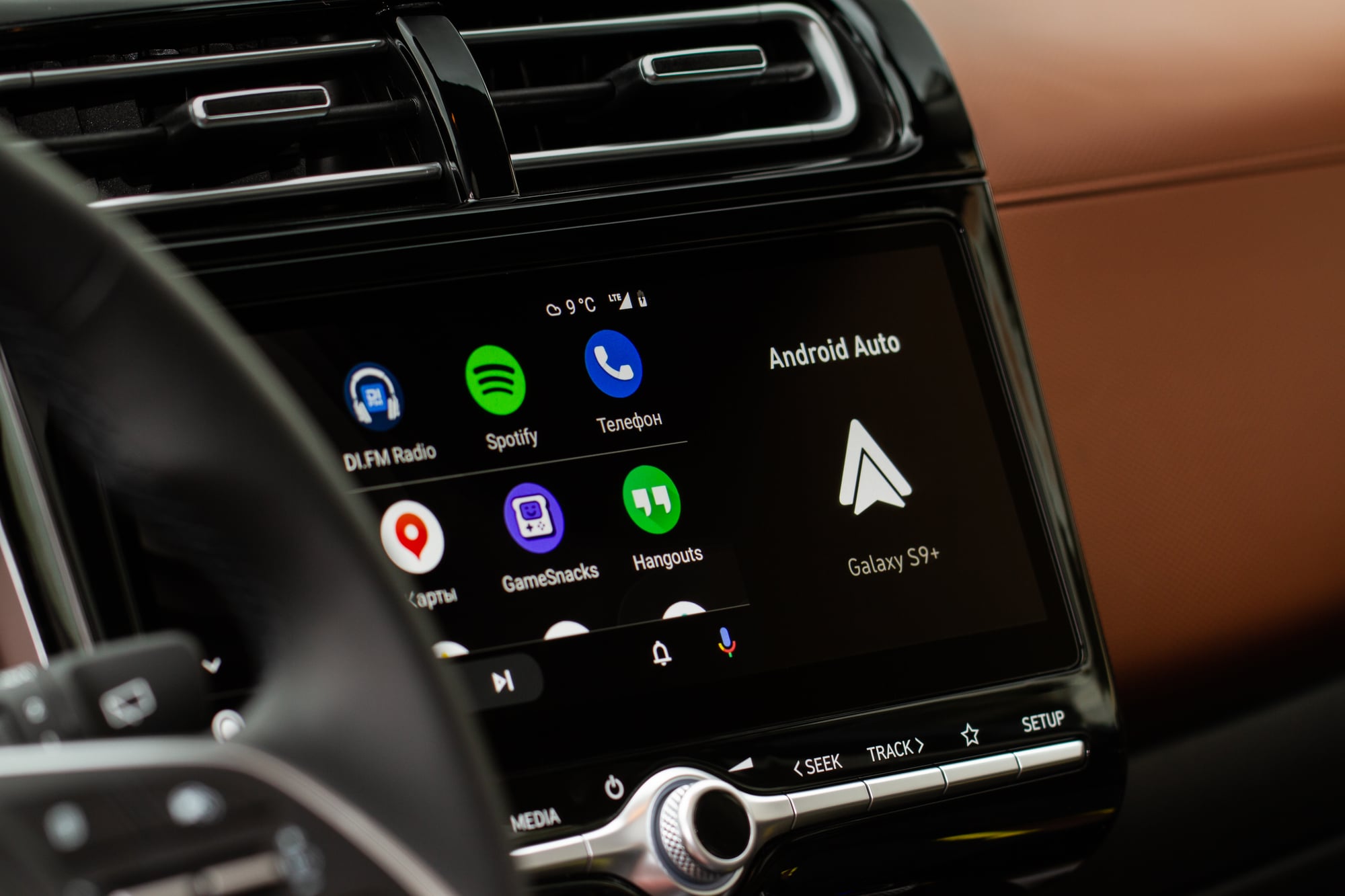
Android Auto Rolls Out New Material 3 Media Player Design to Spotify and YouTube Music
Android Auto Media UI Refresh: Architectural Shift to Material 3
Google has initiated a broad production rollout of a redesigned media interface for Android Auto, migrating the Spotify and YouTube Music clients to the Material 3 design language. This update replaces the legacy UI components with a refined layout featuring dynamic blur effects and updated typography, standardizing the visual stack across the automotive infotainment ecosystem as of July 2026.
The Tech TL;DR:
- Visual Refactoring: The update replaces static elements with Material 3 components, optimizing for high-contrast visibility and reduced cognitive load during vehicle operation.
- Dynamic Compositing: Implementation of real-time blur effects utilizes the underlying Android Automotive OS (AAOS) hardware acceleration to maintain frame rates without taxing the head unit’s NPU.
- Deployment Status: The rollout is server-side; users on current stable builds of Android Auto (v12.x+) should expect the update via a silent containerized configuration push.
Architectural Impact: Moving to Material 3
The migration to Material 3 in the Android Auto media player is not merely aesthetic; it represents a significant shift in how UI assets are rendered on embedded automotive hardware. According to the official Material Design documentation, the transition involves a shift toward dynamic color schemes and standardized component libraries that reduce the overhead of custom-coded UI elements. By leveraging the updated androidx.media3 libraries, developers can ensure that media playback controls remain responsive even when the head unit is under heavy load from navigation tasks or background telemetry syncs.

For enterprise fleet managers or developers working on custom head unit integrations, this shift necessitates a review of existing layout XML files. If your custom skinning relies on legacy hardcoded color values, the transition to Material 3’s dynamic color tokens—which derive their palette from the album art—may result in unexpected contrast ratios. Organizations requiring specialized UI audits should engage with a professional UI/UX automotive consultancy to ensure compliance with driver distraction guidelines.
Implementation Detail: Verification via CLI
To verify which version of the Android Auto media service is currently running on your head unit, you can interface with the shell. If you are debugging a vehicle connection, execute the following command to pull the current package state and ensure the latest media service container is active:

adb shell dumpsys activity service com.google.android.projection.gearhead
This command returns the current state of the Gearhead service, allowing developers to check if the media controller has initialized the updated Material 3 surface. If the UI remains stuck in the legacy state, verify that your client app version satisfies the minimum API requirements set forth in the official Android for Cars documentation.
Comparison: Performance and UX Alternatives
| Metric | Legacy UI (Pre-Material 3) | Current Material 3 Implementation |
|---|---|---|
| Rendering Engine | Legacy View System | Compose for Auto (Optimized) |
| Visual Depth | Flat/High Contrast | Layered (Blur/Surface Elevation) |
| Latency | Higher overhead on low-RAM SoCs | Optimized for NPU-accelerated blur |
When comparing this update to third-party alternatives or legacy versions, the primary gain is in containerization efficiency. As noted by lead maintainers on the Android Auto Stack Overflow community, the move to Material 3 allows for more consistent behavior across diverse hardware architectures, ranging from low-power ARM-based infotainment systems to high-performance dedicated GPU head units.
If your organization is currently grappling with latency issues or rendering glitches following the update, you may require a deep-dive performance analysis. Engaging a specialized automotive software development agency can help mitigate bottlenecking issues caused by inefficient UI thread usage in aftermarket integrations.
Future Trajectory: The Convergence of Automotive OS
The ubiquity of Material 3 across the Android Auto ecosystem signals a broader trend: the total unification of the Android automotive stack. As manufacturers push for SOC 2 compliance and more robust cybersecurity posture, standardized UI libraries provide a predictable attack surface for security auditors. We expect subsequent updates to focus on reducing the latency of NPU-bound tasks, specifically for voice-to-intent processing within the media player. For those managing enterprise vehicle networks, ensuring that all endpoints are updated to the latest OS patches is the only way to maintain a secure and consistent user experience.
Disclaimer: The technical analyses and security protocols detailed in this article are for informational purposes only. Always consult with certified IT and cybersecurity professionals before altering enterprise networks or handling sensitive data.
Keep reading
- Omitting CTV Reduces Toxicity in SCLC Radiotherapy, Analysis Finds
- New pGen-SHM Plot Visualizes Humoral Immune Recovery After Stem Cell Transplantation
- Tullamore-based fashion entrepreneur and social media influencer Lisa McGowan paid herself a (archyde.com)
- Team Australia purchases Te Rehutai AC75 design package from Team NZ (newsdirectory3.com)