
Ancient Oxygen Surge Enabled Life to Thrive in Deep Ocean Habitats
SEATTLE – A surge in oceanic oxygen levels roughly 400 million years ago during the Middle Devonian period dramatically altered marine ecosystems, allowing animals to colonize and diversify in deeper ocean environments, according to new research published August 25, 2025, in the Proceedings of the National Academy of Sciences. The study,led by Kunmanee Bubphamanee and Michael A.Kipp of the University of Washington, links this oxygenation event to the rise of woody plants and offers a cautionary tale for modern oceans facing oxygen depletion.
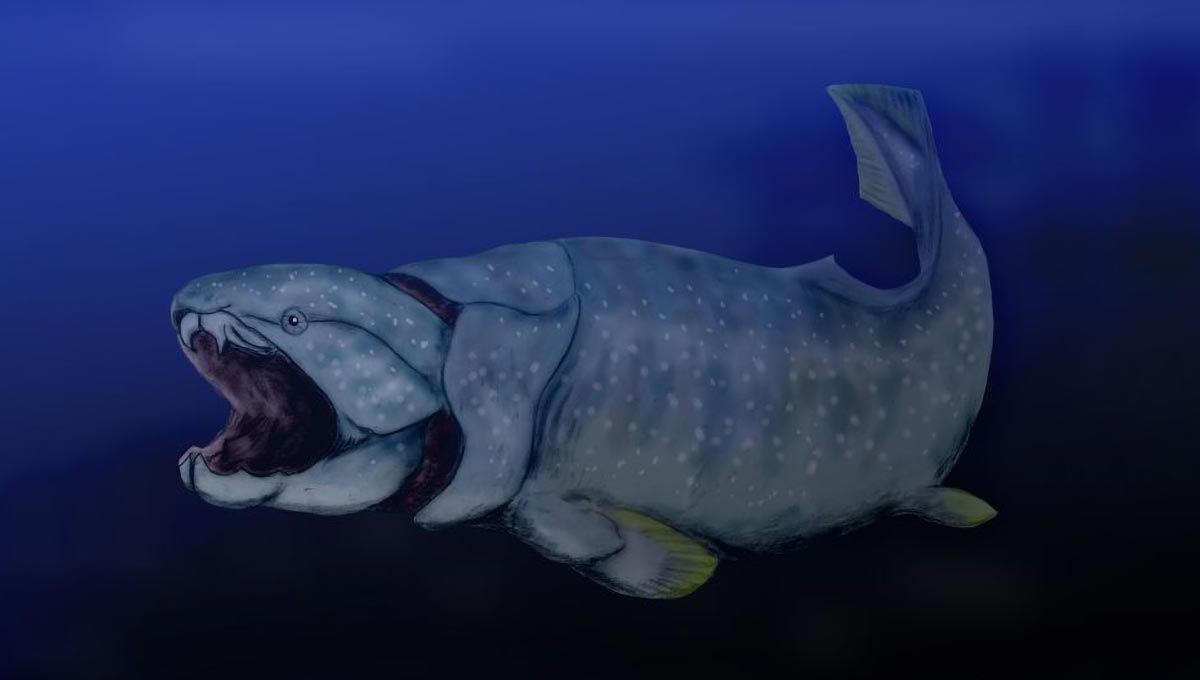
Researchers found the increase in oxygen coincided with the “mid-Paleozoic marine revolution,” a period of notable evolutionary change. As oxygen became established in deeper waters, jawed fish (gnathostomes) and other animals began to invade and flourish in these previously uninhabitable zones. The fossil record also suggests animals grew larger, perhaps due to the increased oxygen availability.
“Our thinking is that, as these woody plants increased in number, thay released more oxygen into the air, which led to more oxygen in deeper ocean environments,” explained Kipp, who began the research as a Ph.D. student at the University of Washington.
The team also investigated an earlier, temporary oxygenation event during the Cambrian period, finding that a subsequent drop in oxygen levels hindered the expansion of marine life into deeper waters.
The findings have implications for contemporary ocean health. While modern oceans generally maintain oxygen levels in equilibrium with the atmosphere, localized oxygen depletion is occurring due to nutrient runoff from fertilizers and industrial activity, fueling plankton blooms that consume oxygen as they decay.
“This work shows very clearly the link between oxygen and animal life in the ocean. This was a balance struck about 400 million years ago, and it would be a shame to disrupt it today in a matter of decades,” Kipp warned.
The research was supported by an NSF Graduate Research Fellowship, an Agouron Institute Postdoctoral Fellowship, and the NASA Astrobiology Institute’s Virtual Planetary Laboratory.
