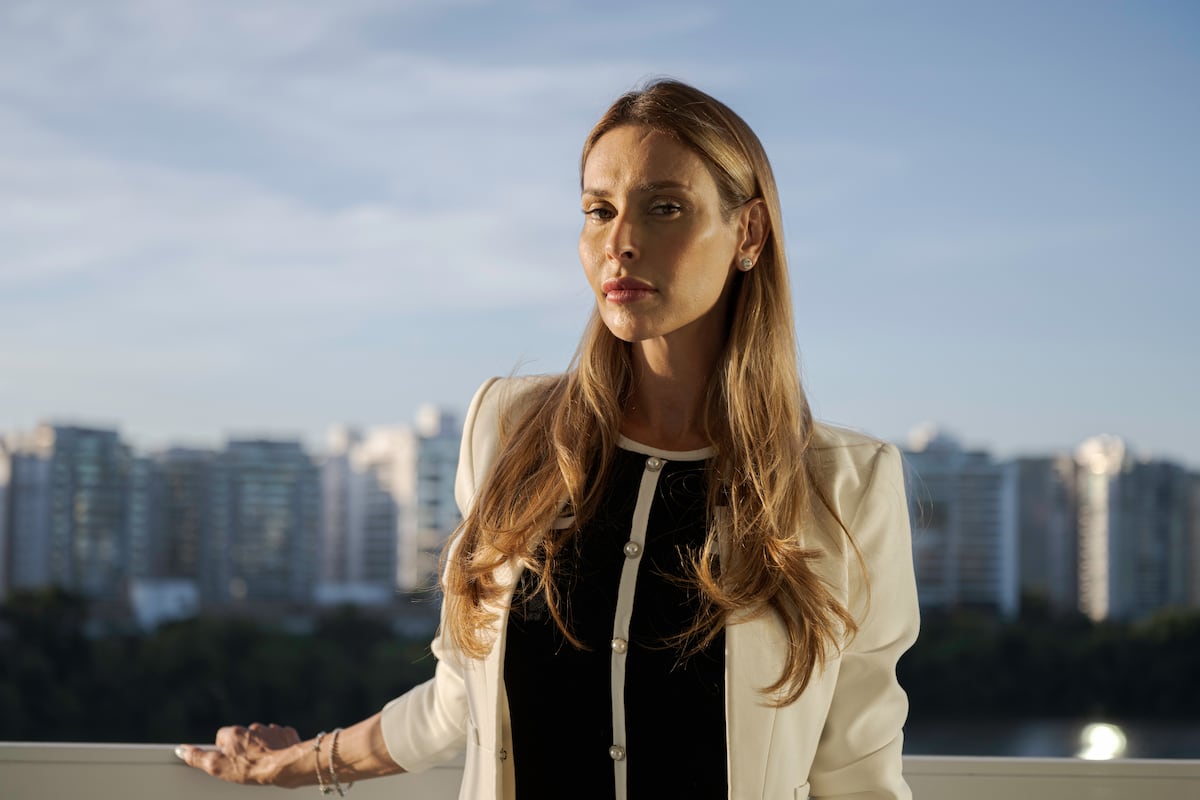
Amanda Ungaro: From Trump Inner Circle to ICE Deportation
Amanda Ungaro, a Brazilian former UN Ambassador and model, was deported from the U.S. In 2025 following arrests for fraud and visa violations. Her recent connection to leaked tweets targeting Melania Trump has reignited scrutiny over her past ties to Jeffrey Epstein and the Trump inner circle.
This is more than a narrative of social climbing and subsequent collapse; it is a clinical study in the volatility of “access” within the global power structure. When the boundary between diplomatic immunity and criminal liability vanishes, the fallout extends beyond the individuals involved to the very networks that facilitate their ascent. For the high-net-worth individuals and transnational entities that navigate these circles, the Ungaro case highlights a critical vulnerability: the weaponization of immigration enforcement against former allies.
The trajectory of Amanda Ungaro serves as a map of the “jet-set” intersection where celebrity, diplomacy, and illicit influence converge. Born in Londrina, Brazil, in 1984, Ungaro’s entry into the upper echelons of New York society began at age 17, when she was flown to the city on a plane owned by Jeffrey Epstein. Her accompaniment by agent Jean-Luc Brunel and her signing with ID Models—founded by Paolo Zampolli—established a lifelong link to a specific, high-risk coterie.
Influence is a currency that can be laundered through official titles.
By June 2014, Ungaro had transitioned from the runway to the diplomatic stage. Appointed by Keith Mitchell, the Prime Minister of Grenada, she served as a United Nations Ambassador in charge of Post-15th Agendas and the second committee. She further expanded her portfolio working under the 69th United Nations Vice President of the UN General Assembly for the Blue Economy. This shift into the United Nations ecosystem provided a veneer of institutional legitimacy that shielded her private associations.
The Architecture of Influence and the Zampolli Conduit
The central node in this network is Paolo Zampolli. A Milan-born businessman who has known Donald Trump since the mid-1990s, Zampolli claims to be the individual who introduced Melania Trump to the future president. Zampolli’s current role as the administration’s special envoy for global partnerships—a position seemingly tailored for his specific skill set—places him at the nexus of state power and private interest.
For years, Ungaro and Zampolli were fixtures at Mar-a-Lago, dining with the Trumps and moving within the same elite strata. However, the stability of these relationships is often predicated on mutual utility. Once that utility expires, the mechanisms of the state can be pivoted from protection to prosecution.
The collapse began in 2023 when Ungaro and Zampolli separated. The subsequent fallout was not merely personal but legal. In 2025, Ungaro was arrested in Miami for running an unlicensed cosmetic surgery clinic specializing in Botox, as well as fraud and overstaying her visa.
The most striking detail of her downfall is the role of her former partner. According to reports, Ungaro was placed in ICE custody at the behest of Paolo Zampolli himself. After three months of detention, she requested deportation back to Brazil, where she had previous residency. This transition—from the guest lists of Mar-a-Lago to an immigration detention center—underscores the precarious nature of foreign nationals relying on personal patronage for their legal status.
Such rapid shifts in legal standing often depart individuals scrambling for immigration law specialists capable of navigating the intersection of criminal fraud and deportation proceedings.
The Epstein Shadow and the First Lady’s Denial
The ghost of Jeffrey Epstein continues to haunt the Trump administration’s periphery. The “Lolita Express” is not just a historical footnote but a persistent liability. On April 7, 2026, a series of tweets emerged, sent in Ungaro’s name, threatening legal action against Melania Trump. These tweets referenced the first term of the Trump presidency, acting as a catalyst for a sudden public relations crisis.
The response was immediate. On April 8, 2026, Melania Trump held a surprise press announcement to lambaste the “lies” regarding her alleged relationship with Epstein and reports that she had flown on his plane. Whereas the First Lady denied any ties, the timing of the announcement—coming exactly one day after Ungaro’s purported threats—suggests a coordinated effort to neutralize a narrative before it gained traction in the global press.
“The conduit connecting the two women… Is Zampolli—Ungaro’s estranged partner and a friend of Trump’s.”
This cycle of accusation and denial creates a high-stakes environment where perception is managed with surgical precision. For figures operating at this level, the need for global reputation management consultants is not a luxury but a survival requirement. The ability to distance oneself from “toxic” assets like Ungaro while maintaining the benefits of the network is the primary goal of modern diplomatic crisis management.
Macro Implications: The Weaponization of Status
The Ungaro case reveals a broader geopolitical trend: the leverage of “special envoy” roles and diplomatic appointments to facilitate private networks. When these networks fracture, the resulting disputes often spill over into international legal battles. Currently, Ungaro and Zampolli are embroiled in an ongoing custody dispute over their son, a conflict that transcends borders and requires the intervention of international family law experts.

The systemic risk here is clear. When diplomatic appointments are perceived as rewards for loyalty or tools for social mobility, the integrity of international institutions is eroded. The transition from a UN Ambassador to a defendant in a Miami fraud case is a narrative of extreme volatility.
Power is never static; it is merely leased.
As the fallout from the April 2026 tweets continues to ripple through the press, the case serves as a warning to the global elite. The same conduits that provide access to the White House or the UN can just as easily lead to an ICE detention center. In an era of shifting alliances and aggressive enforcement, the only true security lies in rigorous legal compliance and the strategic decoupling of private interests from state machinery.
The global chessboard is shifting, and the pieces are being moved with increasing aggression. Whether navigating the complexities of international deportation or managing the fallout of a high-profile diplomatic scandal, the ability to locate vetted, professional partners is the only way to mitigate the risks of the modern power game. The World Today News Directory remains the definitive resource for locating the legal, financial, and consulting experts necessary to survive this volatility.
Keep reading
- Safely landing a large commercial passenger jet without training is virtually impossible, according
- NFL Legend Mike Ditka Dies at 86, His Family Announced
- The Trump administration imposed sweeping sanctions against the International Criminal Court on Oct (newsy-today.com)
- Houthi Strikes on Riyadh Airport Kill Three as Trump Rules Out Pre-Midterm Action (archyde.com)