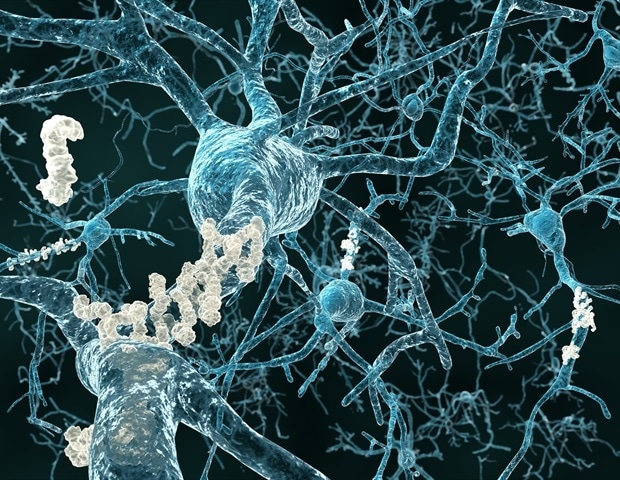
Alzheimer’s Biomarkers Predict Rapid Cognitive Decline in Older Adults
Recent longitudinal research indicates that specific blood-based biomarkers can accurately predict the trajectory of cognitive decline in adults aged 80 and older. By measuring concentrations of phosphorylated tau (p-tau217) and neurofilament light chain (NfL), researchers have established a clinical framework to identify patients at the highest risk for rapid neurodegeneration, potentially transforming the standard of care for geriatric neurology.
Key Clinical Takeaways:
- Predictive Accuracy: Elevated levels of p-tau217 and NfL in blood plasma are strongly associated with accelerated cognitive loss in the “oldest-old” population.
- Clinical Utility: These biomarkers provide a minimally invasive alternative to cerebrospinal fluid analysis or PET imaging for monitoring disease progression.
- Risk Stratification: Early identification allows clinicians to prioritize high-risk patients for enrollment in clinical trials and intensive cognitive monitoring.
The Biological Basis of Biomarker Efficacy
The pathogenesis of Alzheimer’s disease in very old adults often involves a complex interplay of amyloid-beta plaques and tau-mediated neuronal injury. According to the study published in Nature Aging, these blood-based biomarkers serve as proxies for underlying neuropathological changes. The researchers utilized a cohort of non-demented older adults to track the longitudinal correlation between plasma protein levels and subsequent cognitive performance, as measured by standardized neuropsychological assessments.
Phosphorylated tau (p-tau217) is widely recognized in current clinical literature as a highly specific indicator of amyloid-beta pathology. When paired with neurofilament light chain (NfL)—a marker of non-specific axonal damage—the combined diagnostic sensitivity significantly improves. This dual-marker approach allows for a granular assessment of the rate of morbidity, providing a clearer picture of neuronal health than clinical observation alone.
Funding and Research Transparency
This research was supported by a combination of public and private funding, including grants from the National Institutes of Health (NIH) and the Alzheimer’s Association. Transparent reporting of these funding sources is essential for maintaining integrity in medical research, as it ensures that the clinical implications are interpreted without bias. The study adhered to rigorous peer-review standards, ensuring the validity of the statistical models used to predict cognitive outcomes.
As noted by leading neurologists, the ability to rely on blood-based diagnostics marks a significant shift in the global management of dementia. “The move toward accessible, scalable blood tests represents the most significant advancement in geriatric diagnostics in the last decade,” states an expert in the field. This evolution necessitates that healthcare systems update their diagnostic protocols to integrate these biomarkers into routine geriatric screening.
Clinical Triage and Diagnostic Integration
For patients and families navigating the early stages of cognitive impairment, the availability of these tests changes the approach to long-term planning. It is critical to consult with board-certified geriatric neurologists who are equipped to interpret these biomarker panels within the context of comprehensive clinical evaluations. Relying on specialized centers ensures that patients receive the most accurate risk stratification possible.
Furthermore, medical practices and diagnostic laboratories must ensure their infrastructure is prepared for the increased demand for these sophisticated assays. Advanced diagnostic centers are currently upgrading their laboratory information management systems to ensure that biomarker results are synthesized with existing patient history, providing a holistic view of the patient’s neurological status. For those managing large patient populations, partnering with specialized neuro-diagnostic facilities is recommended to maintain adherence to the latest clinical guidelines and to avoid diagnostic bottlenecks.
Future Trajectories in Neuro-Diagnostics
The transition from research-grade biomarker analysis to clinical standard-of-care requires ongoing validation across diverse demographic groups. While current data are promising, clinicians must remain cautious regarding the interpretation of these markers in patients with significant comorbidities, such as chronic kidney disease or systemic inflammatory conditions, which may influence biomarker clearance rates. The next phase of research will likely focus on establishing age-adjusted reference ranges to improve the specificity of these tests in the very old.
As the field moves forward, the integration of these biomarkers into primary care settings will be the next major hurdle. Strengthening the link between primary care providers and specialized neuro-diagnostic services will be essential for the early detection and management of Alzheimer’s disease. Patients and providers should look toward upcoming Phase III clinical trial data to further refine how these biomarkers inform therapeutic decision-making and the selection of disease-modifying interventions.
Disclaimer: The information provided in this article is for educational and scientific communication purposes only and does not constitute medical advice. Always consult with a qualified healthcare provider regarding any medical condition, diagnosis, or treatment plan.