
Bacterial Protein CagA Shows Promise as Amyloid Inhibitor, Offering New Hope for Neurodegenerative Disease Treatments
Table of Contents
- Bacterial Protein CagA Shows Promise as Amyloid Inhibitor, Offering New Hope for Neurodegenerative Disease Treatments
- Unexpected Link Between Bacterial Infections and Protein-Related Diseases
- CagA’s Impact on Amyloid Formation and Bacterial Biofilms
- Advanced Techniques uncover CagA’s Mechanism
- Potential for New Treatments and Future Research Directions
- Funding and Publication Details
- The Growing Threat of Amyloid-Related Diseases
- Frequently Asked Questions About Amyloids and caga
In a surprising discovery that could revolutionize the treatment of neurodegenerative diseases, scientists have found that a protein produced by a common bacterium, *Helicobacter pylori*, exhibits potent amyloid-inhibiting properties. The protein, known as CagA, not only disrupts the formation of amyloid structures but also affects the bacterium’s own biofilms, potentially paving the way for novel therapeutic strategies.
Researchers at the Department of Medicine,Huddinge,led by Gefei Chen,made the groundbreaking discovery that CagA,a protein secreted by *H.pylori*, can effectively inhibit amyloid formation. amyloids, misfolded proteins that aggregate, are implicated in diseases such as Alzheimer’s, Parkinson’s, and type 2 diabetes [[1]]. The finding reveals an unexpected connection between bacterial infections and protection against certain protein-related diseases.
Did You Know? *Helicobacter pylori* infects approximately 30% of people in the United States, according to the CDC.
CagA’s Impact on Amyloid Formation and Bacterial Biofilms
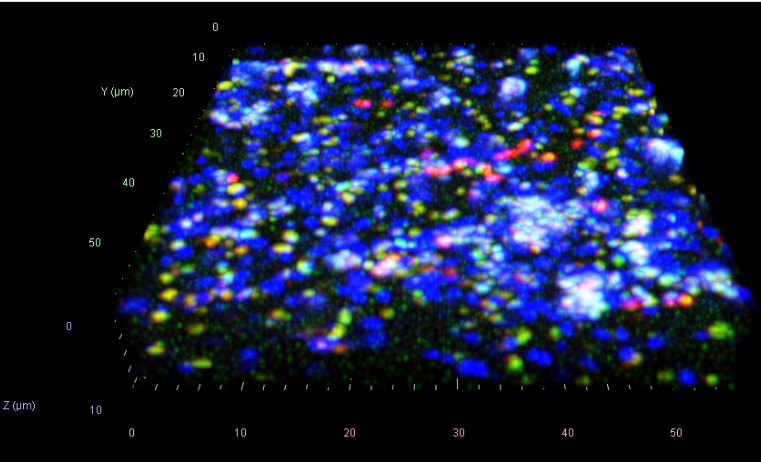
The study, published in *Science Advances*, demonstrates that CagA can slow down amyloid formation even at very low concentrations. Moreover, CagA impacts the bacterium’s own amyloids, which are essential for building biofilms-protective structures that enhance bacterial resistance. When bacteria were treated with CagA,both the density and stability of these biofilms decreased.
Pro Tip: Amyloid inhibitors are being explored as potential treatments for neurodegenerative diseases, aiming to prevent or slow down the progression of these debilitating conditions.
Advanced Techniques uncover CagA’s Mechanism
To understand the mechanism by which CagA inhibits amyloid formation, the researchers employed a combination of advanced techniques, including fluorescence measurements, electron microscopy, and nuclear magnetic resonance (NMR). These methods allowed them to observe and analyze the interactions between caga and amyloid proteins at a molecular level.
Potential for New Treatments and Future Research Directions
The discovery of CagA’s amyloid-inhibiting properties opens up new avenues for developing treatments for both bacterial infections and neurodegenerative diseases. Gefei Chen expressed hope that their findings could pave the way for new strategies to combat amyloid diseases. The next step in the research is to determine precisely how CagA interacts with different proteins and whether it can serve as a foundation for new therapies.
The research team included collaborators from Aarhus University in Denmark and Uppsala University, highlighting the interdisciplinary nature of the study.
Funding and Publication Details
Gefei chen’s research is supported by funding from the Alzheimer’s Association (USA), Åke wiberg Foundation, and the Alzheimer Fund. The study, titled “Helicobacter pylori CagA protein is a potent and broad-spectrum amyloid inhibitor,” was published online in *Science Advances* on June 11, 2025.
| Property | Effect of CagA |
|---|---|
| amyloid Formation | Slows down formation, even at low concentrations |
| Bacterial Biofilms | Decreases density and stability |
| Potential Applications | New treatments for bacterial infections and neurodegenerative diseases |
Amyloid-related diseases, including Alzheimer’s and Parkinson’s, pose a significant and growing threat to global health. As the world’s population ages, the prevalence of these conditions is expected to increase, placing a greater burden on healthcare systems and economies. Developing effective treatments and preventative strategies is crucial to mitigating the impact of these diseases.
Current research efforts are focused on understanding the underlying mechanisms of amyloid formation and identifying potential therapeutic targets. The discovery of CagA’s amyloid-inhibiting properties represents a significant step forward in this field, offering new hope for developing effective treatments.
Frequently Asked Questions About Amyloids and caga
This section addresses common questions about amyloids, their role in disease, and the potential of CagA as a therapeutic agent.
What other bacterial proteins might offer similar therapeutic benefits? How can these findings be translated into effective treatments for neurodegenerative diseases?
Disclaimer: This article provides information for general knowlege and informational purposes only, and does not constitute medical advice. It is indeed essential to consult with a qualified healthcare professional for any health concerns or before making any decisions related to your health or treatment.
Share this article and join the discussion! Subscribe to our newsletter for the latest updates on health and science.
