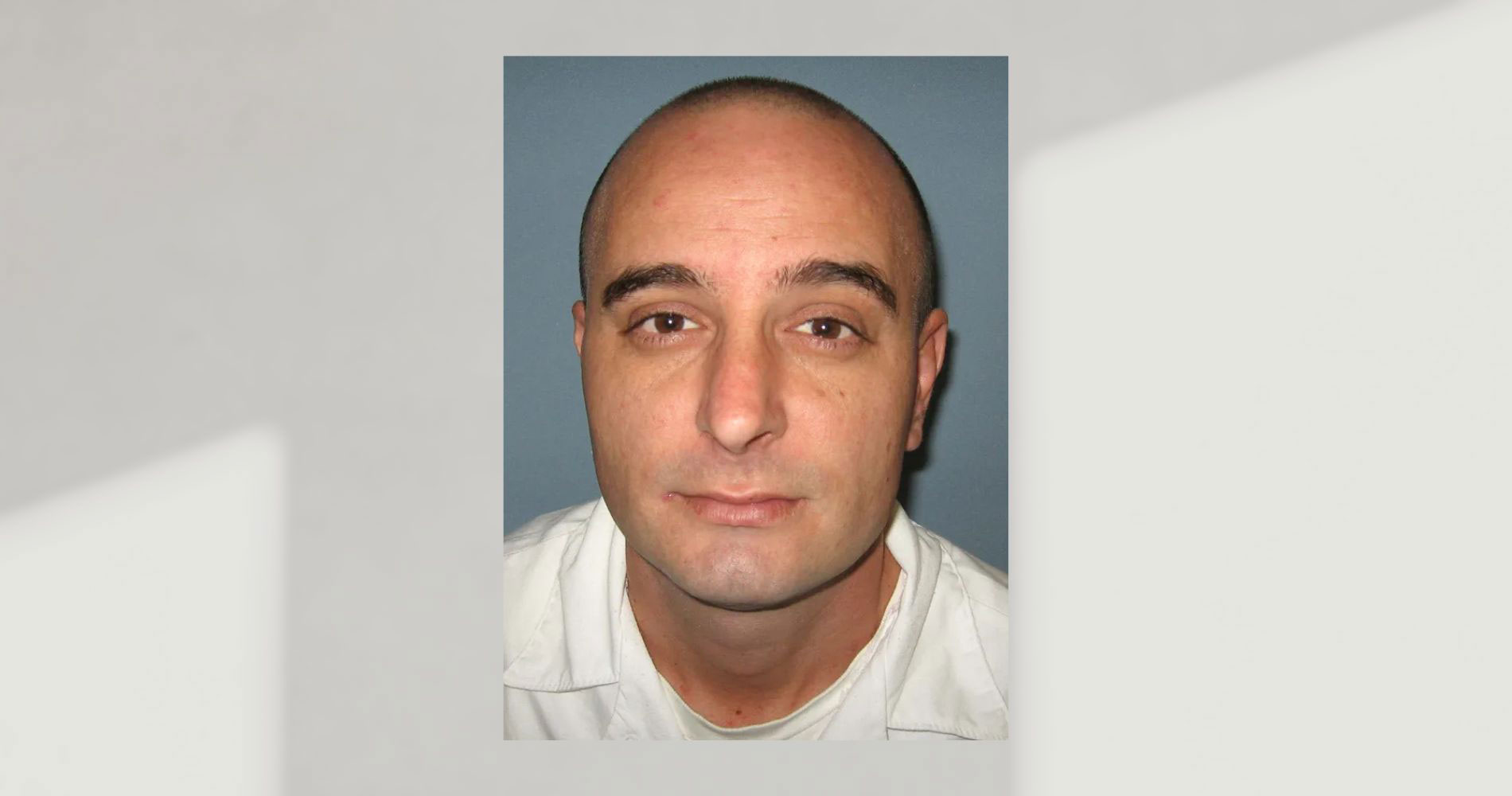
Alabama Scheduled to Execute Michael Taylor on November 5
The State of Alabama plans to execute Michael Taylor by lethal injection on Thursday, November 5, advancing a case that brings renewed scrutiny to capital punishment involving youthful defendants and uninvestigated mental health histories.
Capital Murder Conviction Stemming From 1991 Killings in Etowah County
Michael Taylor was 19 years old with no history of violence when charged with capital murder for the 1991 killings of Ivan and Lucille Moore in Etowah County, Alabama. Court filings show he could not afford an attorney and received court-appointed counsel who had never previously represented a capital defendant. Family members, teachers, and friends described Mr. Taylor as polite, hardworking, and active in church and school. The Moores lived across the street from his relatives. Court pleadings indicate a friend dropped Mr. Taylor off at the victims’ house, where he made little effort to avoid arrest and immediately confessed upon apprehension.
Defense Lawyers Failed to Present Psychological Evidence
Defense lawyers failed to investigate Mr. Taylor’s mental state despite possessing psychological reports and accounts from family and friends detailing his immaturity, harsh upbringing, and psychological deterioration. Counsel later admitted they did not recognize the importance of this mitigating evidence and pursued no investigation. Instead, trial attorneys told the jury that Mr. Taylor was “1000 percent” guilty of capital murder, experienced a perfectly normal upbringing, and exhibited “no mental problems.” During opening and closing arguments, trial counsel stated that “there’s nothing that mitigates the crime.” New counsel later argued in federal court that expert testimony showing Mr. Taylor was severely emotionally disturbed and undergoing a predictable psychological collapse would have fundamentally altered the jury’s assessment of his moral and legal culpability.
Alabama plans to execute Michael Taylor on Thursday, November 5, despite serious questions about the reliability of the death sentence in his case. He was just 19 when he was charged with capital murder. https://t.co/lsV3cVYQuh
Evolving Legal Standards for Emerging Adults on Death Row
Supporters have urged Alabama Kay Ivey to commute the death sentence based on Mr. Taylor’s youth at the time of the offense. In 2005, the Supreme Court barred the execution of individuals under 18, citing scientific evidence regarding immaturity, a lack of responsibility, and vulnerability to outside pressures. According to the Death Penalty Information Center, experts have reached a broad consensus that emerging adults aged 18, 19, and 20 display identical cognitive immaturity. The DPIC reported in 2025 that new death sentences for this age cohort have diminished significantly over the last twenty years, becoming vanishingly rare.
Decades of Incarceration and Transformation Behind Bars
Project Hope to Abolish the Death Penalty in Alabama noted in a public statement that decades of incarceration produced a profound personal transformation. Volunteer ministers, laypeople from Alabama churches, and fellow prisoners built a community that fostered a deep faith, according to the organization. Supporters emphasize that Mr. Taylor expresses genuine remorse and grieves the events of 1991, arguing that retribution and deterrence lose their justifications when applied to an individual who has fundamentally changed.
