
Alabama Gov. Kay Ivey Commutes Toforest Johnson’s Death Sentence, Citing Evidence Doubts
Governor Commutes Death Sentence Over Evidentiary Doubts
Alabama Gov. Kay Ivey commuted the death sentence of Toforest Johnson to life in prison without parole on October 20, 2026, citing concerns that direct evidence was lacking to carry out the state’s most severe punishment. Johnson was convicted for the 1995 murder of Jefferson County Deputy Sheriff William Hardy, who was shot twice in the head while working off-duty hotel security. Johnson has long maintained he is innocent.
The Republican governor stated that her clemency decision does not establish innocence, recognizing instead that the circumstances of the case justified removing the death penalty, according to Associated Press coverage. Ivey has overseen 27 executions during her tenure while granting three commutations, noting in her statement, Capital punishment is too important of a tool for Alabama to not approach it carefully and seriously
and adding that Johnson will serve the remainder of his life behind bars for the senseless murder of Deputy Sheriff William Hardy. No doubt, he is paying the price.
Defense Attorney Pushes to Overturn Conviction
Defense attorney Ty Alper expressed gratitude for the governor’s action in reviewing the file, maintaining that his client is entirely innocent of the crime. Legal representation intends to continue pushing through the court system to overturn the underlying conviction entirely, with Alper stating, Now it is up to the courts to overturn his conviction and grant him a new trial. We will keep fighting until he is home with his family.
There has been a long-running legal effort to win a new trial in the case that has garnered national attention and was the subject of a podcast.
Jefferson County District Attorney Danny Carr, who assumed office in 2018, has long backed Johnson’s requests for a new trial. Carr noted in court filings that the evidentiary foundation of the state’s case had deteriorated over two decades, writing in a 2024 court filing that the evidence in this case has unraveled over 20 years,
and pointing to credible alibi witnesses placing Johnson across town during the shooting.
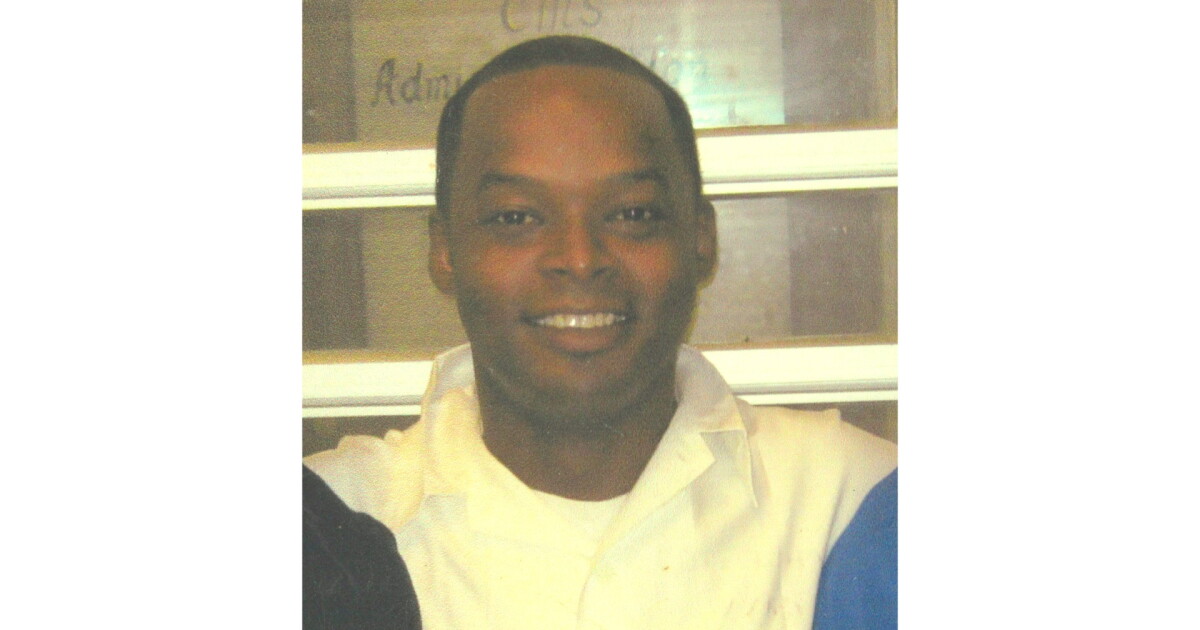
Disputing the Key Trial Witness Testimony
The central pillar of the original 1998 prosecution relied upon a witness who claimed she overheard a three-way phone call where a voice she believed to be Johnson confessed to the murder. Defense counsel established that this witness received a $5,000 payment in 2001, arguing that prosecutors improperly withheld financial incentives regarding her testimony.
Opposing the clemency bid, Alabama Attorney General Steve Marshall urged the governor to reject the request in an Oct. 16 letter, advocating for respect toward the original jury verdict and subsequent court reviews by urging Ivey to respect the jury’s decision
and the decision of the courts reviewing the matter.