
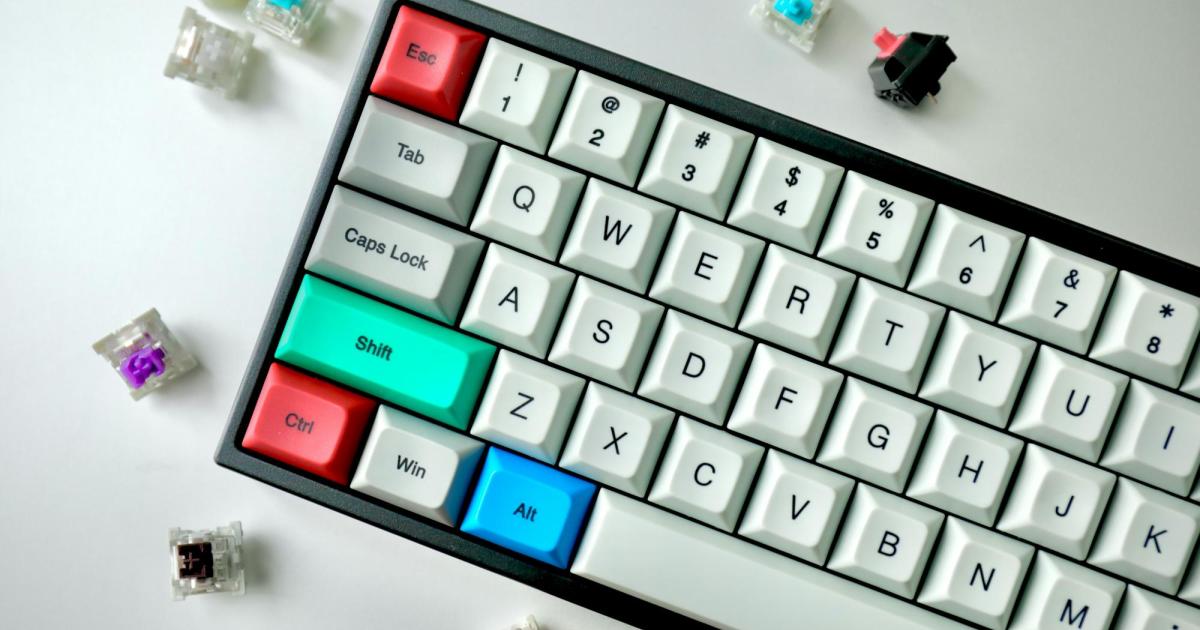
Breaking: Microsoft envisions a future where conventional computer input methods like the mouse adn keyboard are obsolete by 2030, replaced by artificial intelligence-driven natural interaction modalities. The announcement, made by Enterprise Vice President David Weston, signals a major shift in how humans will interface with technology.
➤ Read more: Microsoft releases Crocs in Windows-XP design
Weston stated that interacting with computers via mouse and keyboard should become as unfamiliar to future generations as the Disk Operating System (DOS) is to Generation Z. DOS, a text-based operating system prevalent in the 1980s and early 1990s, required direct commands and lacked the graphical user interface (GUI) most users are accustomed to today. The shift represents a move away from *direct manipulation* interfaces towards more *natural user interfaces* (NUIs).
➤ Read more: The iconic keyboard from Severance can be bought soon
Natural Interaction and AI Agents
By 2030, Microsoft anticipates that language processing and computer vision will largely supersede the mouse and keyboard. Future Windows systems will be designed to understand user input through sight and sound, incorporating intuitive voice control. This includes the ability to process complex commands and understand contextual nuances. Microsoft is actively developing these capabilities within its Azure AI platform, leveraging models like GPT-4 and beyond.
The integration of AI extends beyond control mechanisms. “KI agents” – essentially personalized AI assistants – will automate tasks and proactively support users, fostering a collaborative relationship rather than a task-oriented one. The goal is to move from “working *with* the computer” to “communicating *with*” it. These agents could potentially manage schedules, draft emails, summarize documents, and even generate code based on natural language prompts.
➤ Read more: Revolution in windows keyboards: New button is coming
The Persistence of Physical Input
Despite the enterprising vision, Microsoft acknowledges the potential for the mouse and keyboard to remain relevant. Predictions of their demise following the introduction of touchscreens in the 2000s and 2010s proved premature. The tactile feedback and precision offered by these devices continue to be valued,notably in professional settings like graphic design,video editing,and software growth. Ergonomic keyboard and mouse designs, such as split keyboards and vertical mice, are also popular for promoting comfort and preventing repetitive strain injuries. The company’s recent addition of a dedicated copilot key to Windows keyboards,announced in February 2024,demonstrates a continued investment in traditional input methods alongside AI integration.
