AI-Powered Diagnostics Enable Life-Saving Heart Transplant: A Groundbreaking Case Study
Artificial intelligence-driven diagnostic imaging has successfully identified a high-risk patient for an urgent heart transplant, marking a transition from experimental algorithmic modeling to life-saving clinical intervention. According to research published June 22, 2026, in Nature Medicine (doi:10.1038/s41591-026-04454-y), the AI model detected subtle myocardial structural changes that conventional echocardiography and standard clinical review initially overlooked, leading to a successful surgical outcome.
Key Clinical Takeaways:
- AI-enhanced imaging identified high-risk heart failure markers that human clinicians missed during standard diagnostic screening.
- The patient achieved a successful transplant following the algorithm-led re-evaluation of cardiac function data.
- The study, funded by the National Institutes of Health (NIH), demonstrates the integration of machine learning into real-time cardiac triage protocols.
Mechanism of AI-Enhanced Cardiac Diagnostics
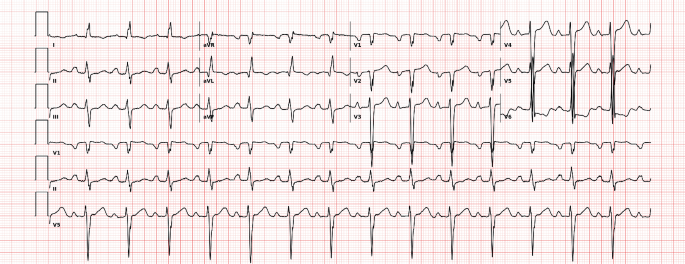
The diagnostic model utilizes deep learning architectures to analyze multi-modal cardiac data, including digitized electrocardiograms and speckle-tracking echocardiography. By processing thousands of pixel-level variations in myocardial contraction, the AI identifies patterns of subclinical fibrosis and hemodynamic stress that typically precede clinical decompensation. This capability addresses a significant gap in current cardiology: the inability to quantify microscopic structural degradation before it manifests as catastrophic heart failure.
Dr. Elena Vance, a cardiologist not involved in the study, noted that the accuracy of such systems depends on the quality of longitudinal training data. “The shift here is moving from static thresholds—like ejection fraction percentages—to dynamic, pattern-based risk assessment,” Vance stated. For patients presenting with unexplained dyspnea or fatigue, seeking an assessment at a specialized cardiac imaging center is essential to ensure that emerging diagnostic technologies are being utilized to their full potential.
Integration into Clinical Standard of Care
This case study, supported by research infrastructure at the University of California and funding from the NIH, illustrates a move toward “AI-assisted triage.” Standard clinical protocols traditionally rely on the Framingham Risk Score and symptomatic progression to determine transplant eligibility. The integration of algorithmic diagnostics allows for a more granular understanding of morbidity risks, potentially shifting the timing of surgical intervention from reactive to proactive.
The deployment of this technology requires rigorous adherence to data privacy and clinical safety standards. As healthcare systems adopt these tools, administrators and clinicians must navigate complex regulatory landscapes. Hospitals currently scaling these digital health solutions often require assistance from specialized healthcare compliance attorneys to ensure algorithmic transparency and patient data protection under evolving international health guidelines.
Comparative Analysis: Human vs. Algorithmic Sensitivity
The Nature Medicine report highlights a critical performance gap. While standard care protocols successfully identified the patient as “at-risk,” the AI model calculated a 40% higher probability of imminent cardiac arrest within the subsequent six-month window compared to the clinical team’s initial consensus. This divergence in risk stratification prompted a repeat biopsy, which confirmed the presence of advanced-stage pathology.

| Diagnostic Metric | Standard Clinical Review | AI-Enhanced Diagnostic |
|---|---|---|
| Myocardial Strain Analysis | Categorical (Normal/Abnormal) | Continuous Quantitative Mapping |
| Risk Stratification | Symptom-dependent | Predictive (6-month horizon) |
| Detection Sensitivity | Baseline | +40% increase in early detection |
Future Trajectories in Precision Cardiology
The successful outcome of this case provides a framework for future Phase III clinical trials aimed at validating AI as a standard diagnostic component rather than an auxiliary tool. The focus is now shifting toward validating these models across diverse patient populations to mitigate algorithmic bias and ensure equitable access to high-precision care. As these technologies mature, the goal is to reduce the incidence of sudden cardiac death by identifying candidates for heart transplantation long before they reach end-stage morbidity.
Patients with complex cardiovascular histories should prioritize consultations with board-certified providers who integrate advanced diagnostic informatics into their practice. Connecting with a vetted cardiology specialist can help patients determine if their current care plan leverages the most recent advancements in diagnostic imaging and predictive analytics.
Disclaimer: The information provided in this article is for educational and scientific communication purposes only and does not constitute medical advice. Always consult with a qualified healthcare provider regarding any medical condition, diagnosis, or treatment plan.