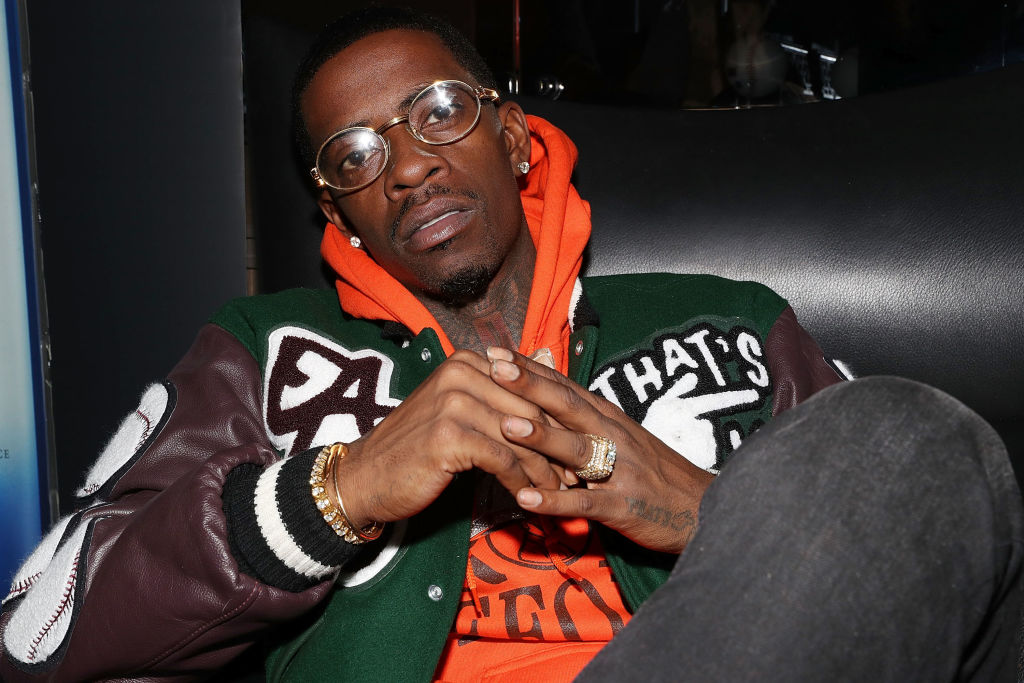
AI-Generated Rich Homie Quan Video Sparks Ethical Debate: Tribute or Exploitation?
The estate of late Atlanta rapper Rich Homie Quan has ignited a fierce digital ethics debate following the release of an AI-generated music video. The project, which features a synthetic recreation of the artist interacting with his children, has polarized fans, raising urgent questions regarding posthumous consent and the commercial exploitation of digital likenesses.
This controversy is more than a fleeting social media flashpoint; it represents a fundamental shift in how the entertainment industry manages the digital afterlife of its icons. As synthetic media becomes increasingly indistinguishable from reality, the lack of a standardized legal framework for “digital personality rights” is leaving estates, families, and technology platforms in a precarious position.
The core of the issue lies in the tension between creative legacy and personal autonomy. While proponents argue that AI provides a way to “keep an artist alive” for future generations, critics—and many grieving fans—view the practice as a profound violation of a deceased individual’s dignity. The visceral reaction to seeing a late performer “recreated” in intimate family settings has forced a confrontation with the reality that, in the age of generative AI, the dead can no longer effectively withhold consent.
The Jurisdictional Void: Where Law Meets Digital Identity
The legal landscape surrounding the use of a deceased person’s voice and likeness is currently fragmented. In the United States, rights of publicity vary significantly by state. For example, the Right of Publicity is governed by individual state statutes rather than a comprehensive federal law, creating a patchwork of protections that often fail to address the nuance of AI-driven synthetic media.
For families and estate executors, the lack of clarity is a significant liability. Without clear, modern directives in estate planning, the digital likeness of a loved one can be co-opted by third parties or even well-meaning but misguided management teams. Navigating this landscape requires more than just standard legal advice; it demands specialized expertise in intellectual property and digital asset management.
The legal vacuum surrounding deepfake technology and posthumous rights is a ticking time bomb for the entertainment industry. We are currently seeing a surge in demand for specialized estate planning that explicitly addresses ‘digital persona’ and ‘synthetic likeness’ clauses. Without these, families lose the ability to control how their loved ones are represented in the virtual space.
— Senior Legal Consultant, Digital Rights and Intellectual Property Division
Managing the Digital Afterlife: A New Professional Mandate
As the Rich Homie Quan incident demonstrates, the management of a high-profile legacy now requires a multi-disciplinary approach. We see no longer sufficient to manage copyrights and master recordings; estates must now oversee the “digital integrity” of the deceased. This involves coordinating with intellectual property attorneys who specialize in emerging technologies to ensure that licensing agreements explicitly prohibit, or strictly regulate, the use of AI-generated synthetic imagery.
the public relations fallout from this project highlights the necessity of working with reputation management and crisis communications experts. When a project designed to honor a legacy instead triggers accusations of “exploitation,” the damage to the artist’s brand can be irreversible. Managing these public perceptions requires a delicate balance of transparency, community engagement, and clear ethical guidelines.
The Evolution of Synthetic Media and Public Trust
The controversy surrounding the Rich Homie Quan video is not an isolated event. It follows a series of similar incidents involving synthetic imagery in the music industry, such as the unauthorized or controversial use of AI to simulate performances. These events collectively underscore a growing public fatigue regarding the use of technology to “resurrect” artists for commercial gain.
Industry observers note that the “uncanny valley”—the point at which a digital recreation becomes unsettling—is being crossed with increasing frequency. This is not just a technical failure; it is an ethical one. As noted in the current discourse, when technology is used to simulate intimate moments that never occurred, it risks eroding the connection between the artist and their audience.
- Consent Protocols: The urgent need for “Digital Wills” that dictate whether an artist allows their likeness to be used by AI post-mortem.
- Platform Accountability: The role of social media and music streaming platforms in flagging or labeling AI-generated content to ensure transparency for the end-user.
- Ethical Production Standards: The development of industry-wide codes of conduct for production houses and management teams tasked with handling posthumous content.
For those managing the estates of creative professionals, the path forward is clear: proactive, rather than reactive, governance is essential. This includes engaging with specialized estate and digital legacy planners who can help structure protections that stand up to the rapid pace of technological change.
the legacy of an artist should be defined by the work they created during their lifetime, not by the synthetic simulations produced in their absence. As we navigate this new frontier of digital ethics, the industry must decide whether it will prioritize short-term engagement and “clout” or the long-term preservation of human dignity. The backlash against the Rich Homie Quan project serves as a stark reminder that when it comes to the memory of the deceased, the public’s moral compass remains firmly pointed toward respect, not technological novelty.