
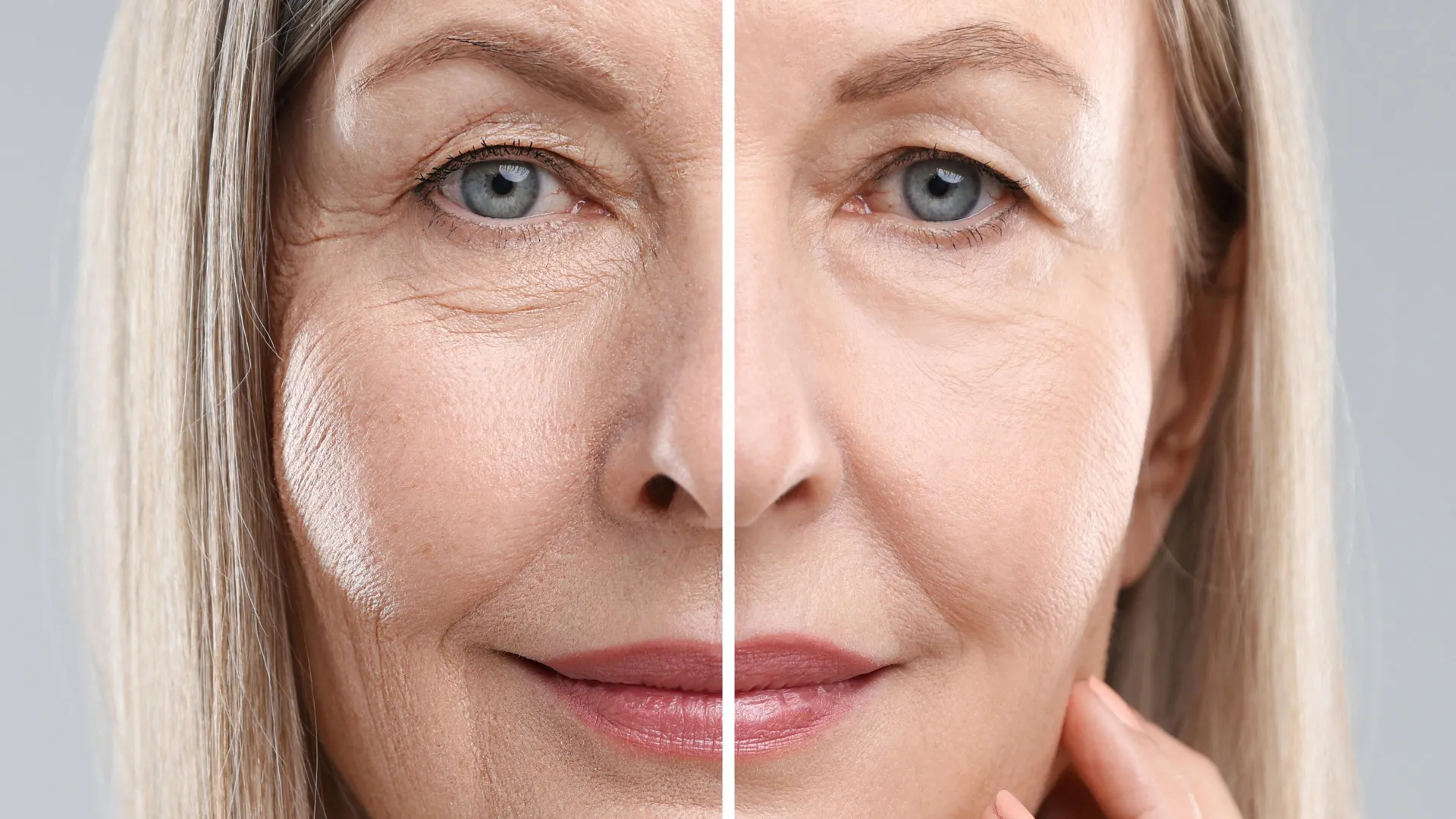
Anxiety about aging, particularly concerns over declining health, may accelerate biological aging in women, according to novel research published this month in the journal Psychoneuroendocrinology. The study, conducted by researchers at NYU School of Global Public Health, suggests a link between subjective experiences of aging and objective measures of cellular aging.
“Our research suggests that subjective experiences may be driving objective measures of aging,” said Mariana Rodrigues, a PhD student at NYU School of Global Public Health and the study’s lead author. “Aging-related anxiety is not merely a psychological concern, but may leave a mark on the body with real health consequences.”
The research builds on existing knowledge that psychological distress can contribute to biological aging through epigenetic changes – alterations in how genes are expressed. Rodrigues noted that even as the connection between mental and physical health is well-established, the specific link between worrying about aging and the aging process itself had received limited attention.
The study, which examined data from 726 women participating in the ongoing Midlife in the United States (MIDUS) study, found that women reporting higher levels of anxiety about growing older exhibited signs of faster epigenetic aging, as measured by two established “epigenetic clocks.” One clock, DunedinPACE, assesses the speed of biological aging, while the other, GrimAge2, estimates accumulated biological damage over time. Accelerated epigenetic aging has previously been linked to physical decline and increased risk of age-related diseases.
However, not all aging-related concerns had the same impact. The researchers found that worries specifically about declining health were most strongly associated with faster biological aging. Concerns about appearance or fertility did not demonstrate a significant correlation with epigenetic aging. Researchers theorize this difference may be due to the more persistent nature of health anxieties compared to concerns about beauty or reproduction, which may diminish with age.
Rodrigues, who previously worked as a licensed Clinical Psychologist in Brazil and as a Research Associate focusing on health disparities, explained that women may be particularly susceptible to aging anxiety. She cited social expectations surrounding youth and appearance, as well as concerns related to fertility, as potential contributing factors. “Women in midlife may likewise be multiple in roles, including caring for their aging parents. As they see older family members grow older and develop into sick, they may worry about whether the same thing will happen to them,” she said.
The study’s senior author, Adolfo Cuevas, associate professor of social and behavioral sciences at NYU School of Global Public Health, emphasized the interconnectedness of mental and physical health. “Our research identifies aging anxiety as a measurable and modifiable psychological determinant that seems to be shaping aging biology,” Cuevas stated.
The researchers cautioned that the study’s design, capturing data at a single point in time, prevents definitive conclusions about cause and effect. They also acknowledged that certain behaviors often associated with anxiety, such as smoking or excessive alcohol consumption, could potentially explain the observed link. When the analysis was adjusted to account for these health behaviors, the association between aging anxiety and epigenetic aging weakened and was no longer statistically significant.
Further research is planned to investigate the long-term effects of aging anxiety on biological aging and to identify effective strategies for supporting individuals experiencing these fears. Rodrigues concluded, “Aging is a universal experience. We need to start a discourse about how we as a society — through our norms, structural factors, and interpersonal relationships — address the challenges of aging.”
