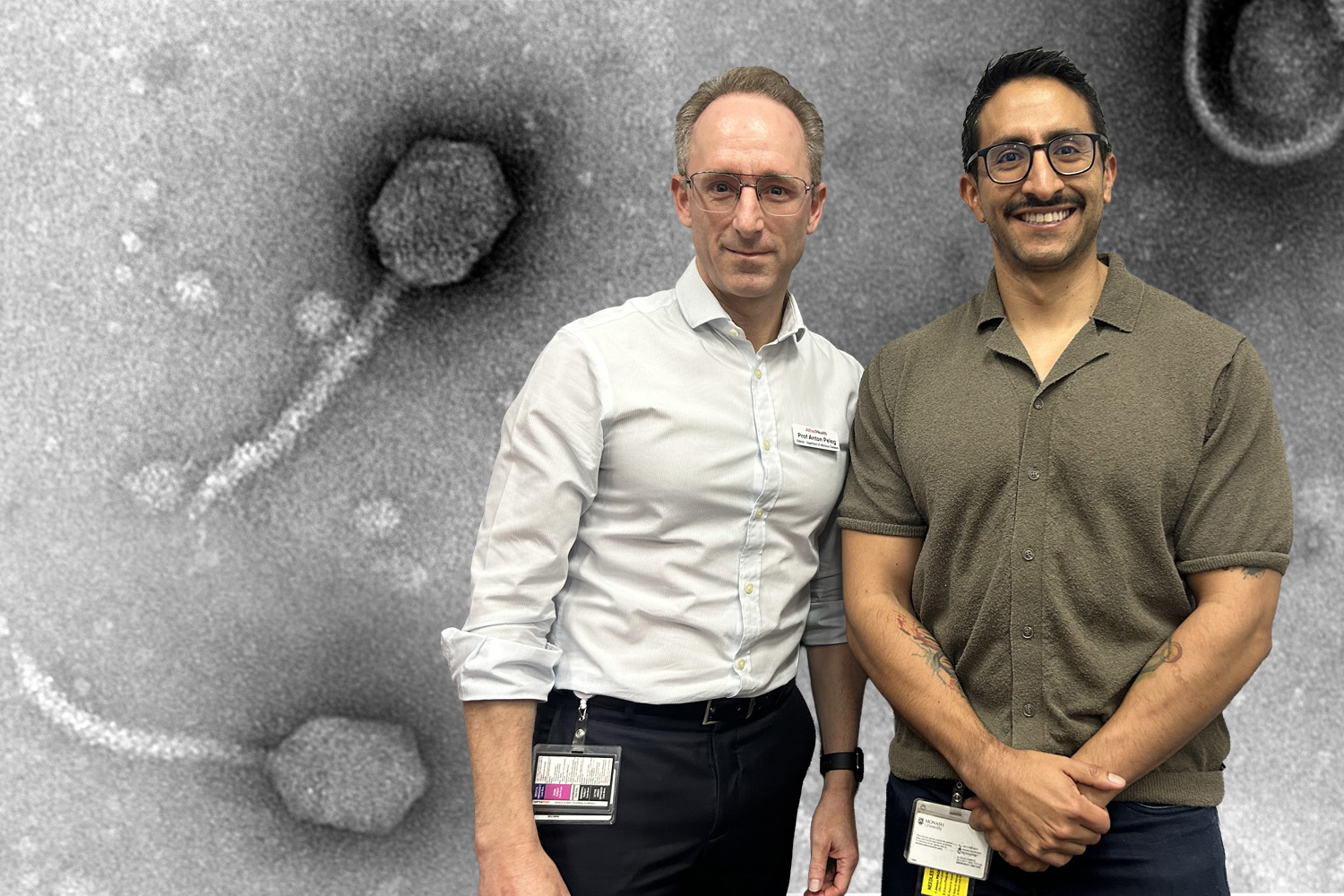
Advancements in Phage Therapy: Breakthroughs and AI Integration
As the global health community grapples with the escalating crisis of antimicrobial resistance (AMR), a paradigm shift is underway in the management of refractory bacterial infections. Recent advancements at Bayside Health (Alfred) and the launch of the Center for PhAIge Therapy at the Gladstone Institutes signal a transition from traditional broad-spectrum antibiotics to precision-guided bacteriophage interventions. By leveraging artificial intelligence to expedite the identification of therapeutic phages, researchers are effectively mapping the landscape of bacterial vulnerability with unprecedented speed.
Key Clinical Takeaways:
- Bacteriophage therapy utilizes viruses that selectively infect and lyse pathogenic bacteria, offering a potential solution for multidrug-resistant (MDR) organisms.
- The integration of AI-driven computational models significantly reduces the time required to match specific phage candidates with patient-derived clinical isolates.
- Clinical protocols are moving toward a “personalized medicine” model, where phage cocktails are tailored to the specific genetic profile of a patient’s infection.
The pathogenesis of drug-resistant infections often involves the formation of robust biofilms, which act as a physical barrier against conventional pharmacological agents. When standard-of-care antibiotics fail to penetrate these matrices, clinicians face a significant gap in treatment efficacy. Bacteriophages—naturally occurring viruses that prey on specific bacterial hosts—offer a biological solution to this mechanical blockade. Unlike chemical antibiotics, phages can evolve alongside their hosts, theoretically mitigating the rapid development of resistance that plagues current antibiotic pipelines.
Research at the Alfred in Australia has highlighted the logistical complexities of deploying phage therapy in a clinical setting. The primary hurdle remains the rapid screening of phage banks to identify candidates capable of targeting specific MDR strains. The Gladstone Institutes’ initiative aims to solve this by applying machine learning to predict phage-host interactions. According to foundational research in molecular microbiology, this computational approach allows for the high-throughput screening of genomic data, ensuring that only the most potent lytic agents are selected for potential human administration.
“The convergence of synthetic biology and AI-driven bioinformatics is fundamentally altering our approach to infectious disease. We are no longer limited to the discovery of static chemical compounds; we are now engineering dynamic, self-replicating biological agents to restore homeostasis in the human microbiome,” notes Dr. Elena Vance, a specialist in genomic medicine and clinical infectious disease research.
The clinical implementation of these therapies requires a rigorous adherence to safety standards, particularly concerning the purity of phage preparations. The risk of endotoxin contamination during the production process necessitates strict oversight by healthcare compliance attorneys and clinical regulatory experts to ensure that experimental protocols align with international pharmacopeia standards. For institutions seeking to integrate these advanced therapies, establishing a robust clinical framework is essential to mitigate liability and ensure patient safety.
For patients currently navigating the challenges of chronic, treatment-resistant infections, the standard of care is increasingly shifting toward multidisciplinary teams. It is imperative that patients consult with board-certified infectious disease specialists who are actively monitoring the latest developments in precision immunotherapy and phage-based interventions. These specialists are best equipped to determine eligibility for clinical trials and compassionate use programs, where experimental phage therapies are evaluated under strict institutional review board supervision.
The economic and operational burden of managing AMR is substantial. Healthcare facilities must evaluate their internal diagnostic capabilities to ensure that they can support the high-resolution sequencing required for precision phage matching. Engaging with accredited diagnostic laboratories that specialize in rapid pathogen identification and sensitivity testing is a critical step for hospitals aiming to implement these modern therapeutic protocols. As research continues to validate the efficacy of these biological interventions, the integration of AI and phage therapy represents a cornerstone of future infectious disease management, moving us toward a more nuanced, targeted model of clinical care.

As we advance, the focus must remain on the scalability of these interventions. Large-scale, double-blind, placebo-controlled trials are necessary to move phage therapy from a niche, compassionate-use approach to a mainstream medical standard. The current trajectory suggests that by refining our ability to predict host-virus dynamics, we may eventually reduce the morbidity associated with once-untreatable systemic infections. The transition to this era of “living medicines” requires not only technological innovation but also a commitment to rigorous clinical surveillance and the ongoing education of the medical workforce.
Disclaimer: The information provided in this article is for educational and scientific communication purposes only and does not constitute medical advice. Always consult with a qualified healthcare provider regarding any medical condition, diagnosis, or treatment plan.