
Albuminuria Shows Promise as Early Indicator of Kidney Failure, Meta-Analysis Finds
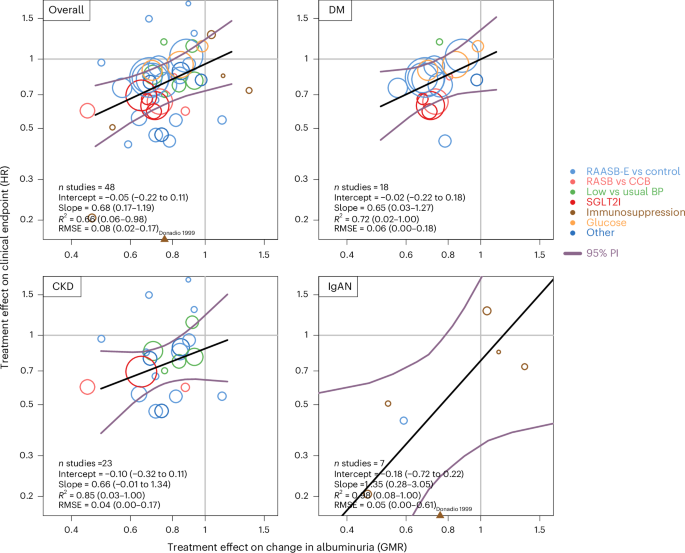
A new meta-analysis reveals albuminuria – the presence of albumin in the urine – demonstrates critically important potential as a surrogate endpoint for kidney failure in clinical trials, offering a faster and more practical way to assess the effectiveness of new treatments. Published in Clinical Journal of the American Society of Nephrology in 2023, the research consolidates data from multiple studies, suggesting albuminuria levels can reliably predict progression to kidney failure, potentially accelerating the development of therapies for chronic kidney disease (CKD).
Chronic kidney disease affects millions worldwide, with progression often measured by estimated glomerular filtration rate (eGFR) slope - a metric that takes time and repeated testing to accurately determine. This new analysis indicates albuminuria could serve as a quicker, more readily available substitute, streamlining clinical trials and bringing potentially life-altering treatments to patients sooner. The findings are particularly relevant given the increasing prevalence of CKD and the urgent need for improved diagnostic and therapeutic strategies.
Researchers, led by W. Collier, evaluated the performance of GFR slope as a surrogate endpoint, recognizing its limitations in clinical trials, particularly when varying CKD severity. The meta-analysis leveraged data to assess the correlation between changes in albuminuria and the eventual onset of kidney failure. Their work highlights the importance of considering disease stage when interpreting albuminuria levels as predictive markers.
The study utilized the metafor package in R for conducting the meta-analyses (Viechtbauer, W., 2010). R, a statistical computing language, was instrumental in analyzing the complex datasets (R Core Team, 2022). This rigorous methodology strengthens the validity of the findings and provides a framework for future research in the field.
