
Activists Face Escalating Crackdown Worldwide
Across the globe, individuals and organizations who dare to challenge powerful entities are facing increasing threats and restrictions, from legal battles to outright bans. Silencing dissent appears to be a growing tactic.
Greenpeace Under Pressure
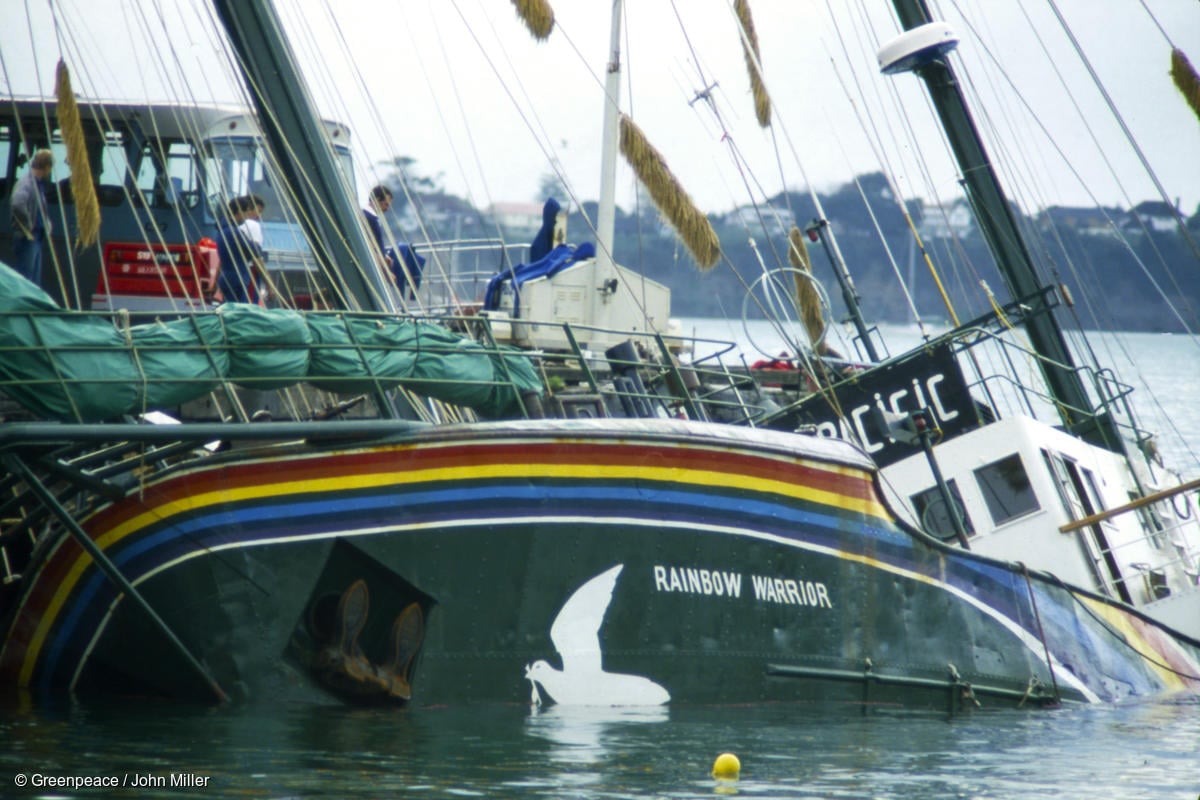
Environmental advocacy group Greenpeace is familiar with the dangers of challenging powerful interests. Forty years ago, the French secret service bombed the Rainbow Warrior, killing photographer Fernando Pereira. More recently, a U.S. jury held Greenpeace liable for over $660 million in damages related to protests against the Dakota Access Pipeline.
Greenpeace recently had a hearing in a Dutch court to invoke new EU protections against lawsuits designed to suppress free speech, marking the first application of this EU law.
Violence Against Environmental Defenders
Those who defend nature and human rights, particularly in Latin America, are frequent victims of violence. While some cases, such as the murders of Dom Phillips and Bruno Pereira, gain international attention, many others remain unacknowledged.
Europe: A Hotspot for Silencing Tactics
In Europe, various tactics are employed to silence critics of environmental destruction. Some politicians are attempting to defund NGOs, while the European Commission is pressuring civil society groups with threats of funding withdrawal. The European Parliament has even established a working group to scrutinize NGO funding.
This scrutiny risks emboldening other governments to suppress civil society. For instance, the salmon industry in Chile is urging its government to take action against campaign groups, citing the EU’s approach.
SLAPP Lawsuits: A Growing Threat
Strategic Lawsuits Against Public Participation (SLAPPs), intended to intimidate and silence critics, are becoming increasingly common in Europe. The Coalition Against SLAPPs in Europe has identified over a thousand such cases filed between 2010 and 2023.
Companies Target Critics
Several energy companies have taken legal action against Greenpeace. Shell sued Greenpeace, eventually settling out of court. TotalEnergies sued Greenpeace France, but the court dismissed the case. Eni is currently suing Greenpeace Netherlands, Greenpeace Italy, and ReCommon.
In Romania, Romgaz attempted to dissolve the local Greenpeace organization but backed down at the last minute.
Restrictions on Protest
Governments are also restricting the right to peaceful protest. According to the Council of Europe, there is a worrying trend of increasing limitations being placed on peaceful assembly (Council of Europe).
The Hungarian government banned Pride events. The Italian government has criminalized many forms of protest. Spain maintains a ‘gag law’ penalizing peaceful protest. German police have arrested protesters and attempted to deport foreign protesters.
In the UK, Amnesty International warns about attempts to restrict the right to protest. Police broke into a Quaker meeting house to arrest people planning a Gaza war demonstration, and the government has banned a Palestine solidarity group as a terrorist organization.
France tried to dissolve the environmental protest group Soulèvements de la Terre, but was blocked by the Council of State. The UN expert on environmental defenders has called France the worst country in Europe for police repression of green activism.
A Call to Action
The increasing repression of dissent is a worrying trend. It is essential to protect the right to peaceful protest and criticism of the powerful, as it is fundamental to all other rights.
