
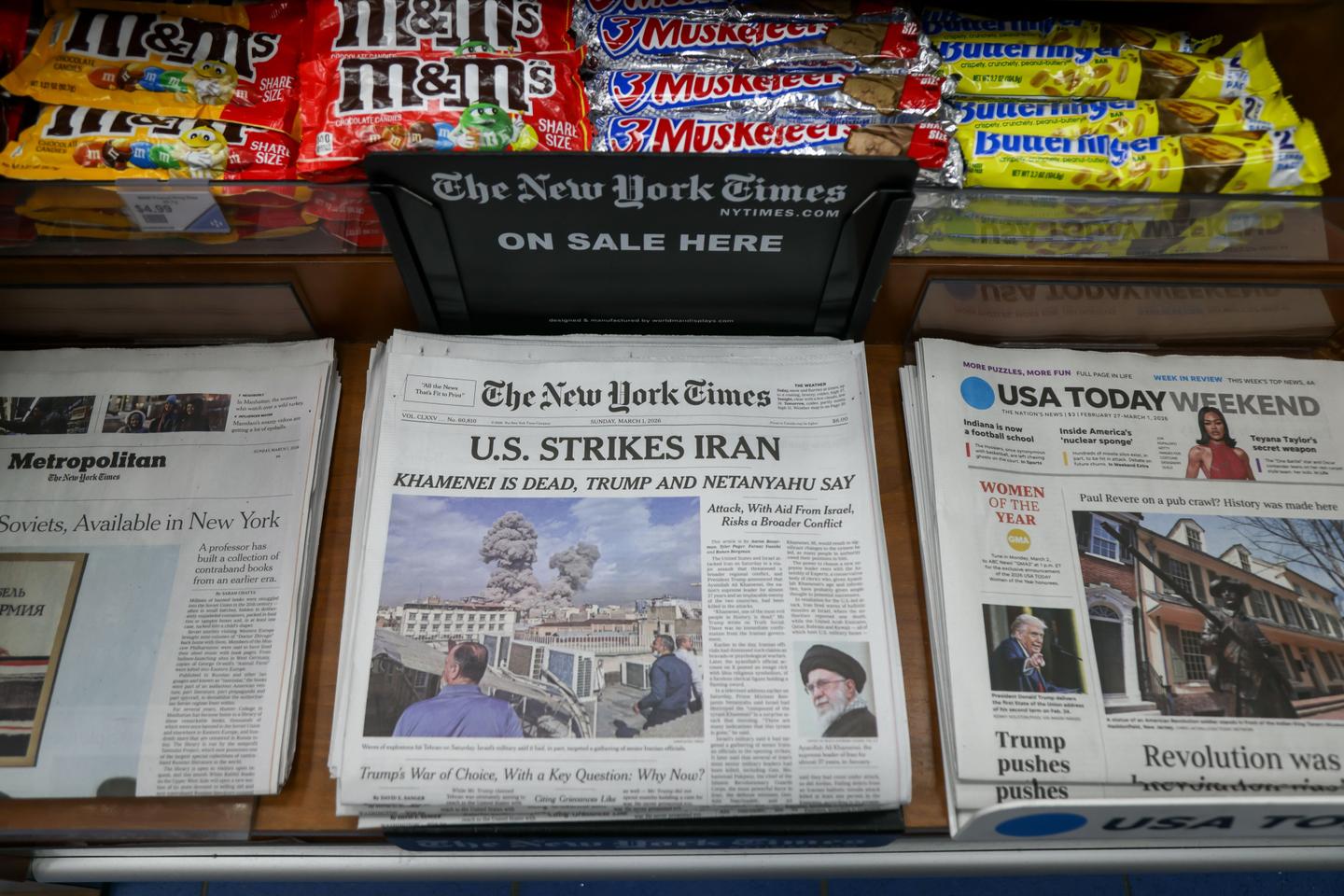
The death of Iran’s Supreme Leader Ayatollah Ali Khamenei, confirmed early Saturday, triggered a wave of airspace closures and widespread flight cancellations across the Middle East, stranding hundreds of thousands of travelers. The strikes conducted by the U.S. And Israel against targets within Iran, dubbed “Operation Epic Fury” by the U.S. Department of Defense and “Operation Roaring Lion” by Israel, prompted immediate responses from regional airlines and aviation authorities.
Delta Air Lines suspended all service to Tel Aviv through at least Sunday, offering travel waivers for passengers booked through March 5, as reported by Fox 26 Houston. The disruption extends beyond Israel, with significant closures impacting major transit hubs. The United Arab Emirates, Israel, Iran, Iraq, and Qatar have all closed portions of their airspace, leading to numerous flight diversions, according to the Associated Press.
Emirates Airlines halted all flights to and from Dubai until at least Sunday afternoon, even as Qatar Airways suspended operations at Doha’s airport until at least Monday morning, CBS News reported. United Airlines canceled all flights departing the U.S. To Tel Aviv through March 6, and flights to Dubai through March 4. FlightAware data indicates over 2,400 flights have been canceled across Middle Eastern airports as of Sunday.
The immediate cause of the airspace closures is the ongoing military activity and the potential for escalation. The initial attacks, occurring early Saturday morning, targeted locations across Iran, including near the offices of Supreme Leader Khamenei in Tehran, Iranian media reported. Iran responded with missile and drone launches toward Israel. The situation remains fluid, with airlines continuously monitoring security guidance and intelligence reports.
The disruption is particularly acute for airlines that rely on Middle Eastern hubs for connecting flights between Europe, Africa, and Asia. Emirates, Qatar Airways, and Etihad typically handle approximately 90,000 passengers daily through their respective hubs, with even greater numbers traveling to destinations within the region, according to aviation analytics firm Cirium. Rerouting flights around the conflict zone necessitates longer flight paths, often southward over Saudi Arabia, adding to delays and fuel costs.
The death of Khamenei introduces a significant element of uncertainty. The 86-year-old leader’s passing, as reported by multiple sources including the New York Times, leaves a power vacuum in Iran. While the immediate impact of the strikes was the elimination of key regime figures, the long-term consequences of Khamenei’s death remain unclear. The New York Times characterized the situation as leaving the Middle East facing “an unpredictable void.”
David Ignatius of the Washington Post cautioned against assuming a swift resolution, noting that “killing a leader does not guarantee the fall of a regime.” He further emphasized the inherent difficulties in waging war, particularly when attempting to reshape the political order of another country.
Israeli airline El Al is preparing to recover stranded Israelis once airspace reopens, but no firm timeline has been established. Passengers are advised to check with their airlines for updated flight information and potential rebooking options. The situation remains volatile, and further disruptions are anticipated as the conflict evolves.
