
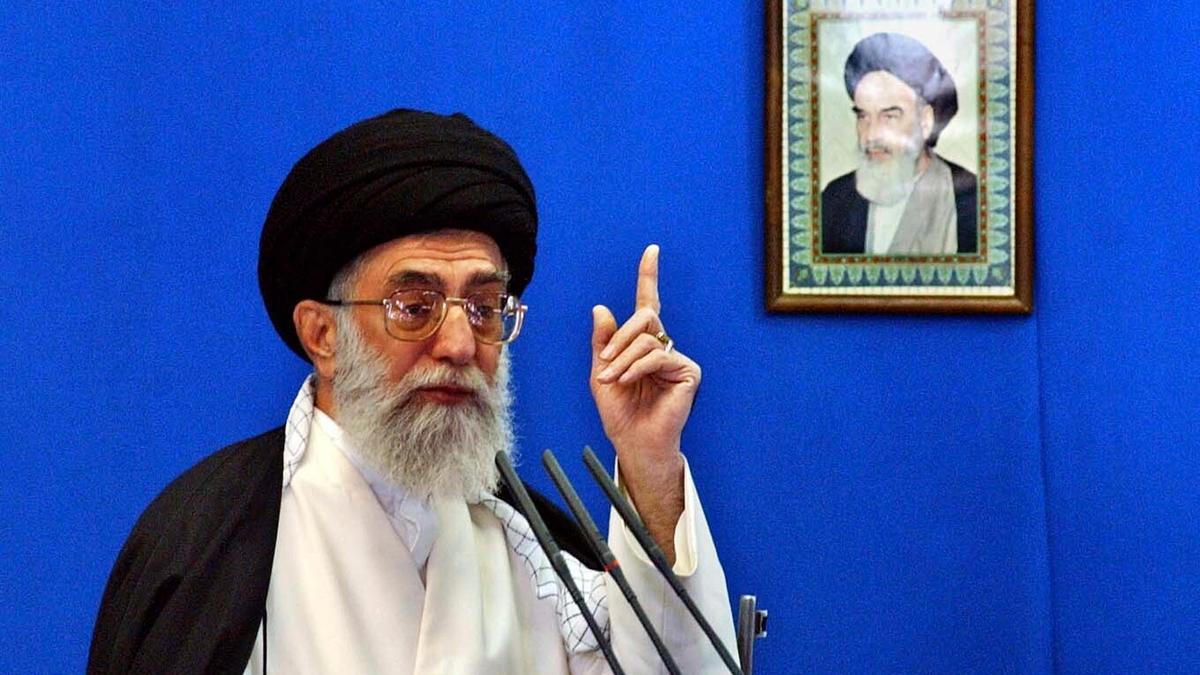
The assassination of Ayatollah Ali Khamenei, Iran’s Supreme Leader, in a joint Israeli-American strike on February 28th has plunged the Middle East into a volatile new phase, with Iran retaliating against both U.S. And Israeli targets. The attack marks the culmination of escalating tensions and a waning of Iranian regional influence, particularly following Israel’s targeting of Iranian nuclear and missile facilities and its commanders, according to reports.
Khamenei, who had held the position of Rahbar (leader) since 1989, died at the age of 86, according to initial reports. His death creates a significant power vacuum within the Islamic Republic, a system he meticulously constructed to ensure loyalty to his authority.
A visit to Tehran’s Ebrat Museum, formerly a notorious prison under the Shah’s regime, offers a stark illustration of Khamenei’s journey to power. The museum, preserved as a testament to the brutality of the Shah’s secret police, SAVAK, displays torture chambers and documentation of methods used against political detainees. A narrow corridor features photographs of former inmates, including a framed image of a middle-aged Khamenei, identified in Farsi as Ayatollah Seyyed Ali Khamenei.
Within the museum, a cell has been preserved as it was when Khamenei was held there in 1974. A life-size wax figure depicts the Ayatollah, dressed in a black turban – signifying lineage to the Prophet Mohammed – round spectacles, and a brown robe, evoking a sense of both suffering and determination. A museum official, speaking in February 2022, stated that Khamenei was imprisoned six times by the Shah’s police and endured “the most brutal and savage torture for eight months” in that cell. The official added, “The Shah wanted to break him. But God wanted him as the country’s rahbar.”
Born in 1939 in royalist Iran, Khamenei’s political views were shaped by the 1953 coup orchestrated by the CIA and MI6 against Prime Minister Mohammad Mosaddegh, an event that fueled resentment towards the Shah among a generation of Iranians. He became actively involved in protests from the early 1960s, and quickly rose through the clerical ranks following the collapse of the Shah’s regime in 1979. Khomeini appointed him Deputy Defence Minister and Imam of Friday prayers in Tehran, a position he held until his death.
Khamenei’s path to leadership was further solidified by a 1981 bombing in Tehran’s Abouzar Mosque, which left him with a paralyzed right arm and hearing loss in one ear. He famously remarked, “I won’t need the hand; it would suffice if my brain and tongue work,” transforming the attack into a symbol of his resilience and commitment to the revolution.
Following Khomeini’s death in 1989, Khamenei was selected as the new Supreme Leader, despite expressing his own reservations, stating, “I am truly not worthy of this title.” His leadership was marked by navigating political and economic challenges, including the aftermath of the Iran-Iraq war and internal pressures for reform. He oversaw the election of moderate President Mohammed Khatami in 1997, but ultimately sided with hardliners when protests erupted seeking greater freedoms, leading to a brutal suppression of the movement.
Further challenges arose in 2009, when the disputed re-election of President Mahmoud Ahmadinejad sparked widespread protests. Accusations of election fraud led to demonstrations calling for Khamenei’s removal, but he endorsed Ahmadinejad’s victory and authorized a crackdown on the “Green Movement.” Economic hardship, exacerbated by Western sanctions, fueled further unrest and uprisings in recent years.
In recent years, Iran’s regional influence has waned, particularly after Israel began targeting the “axis of resistance,” the network of Iran-backed militias in the Middle East. Israel’s actions culminated in the February 28th assassination of Khamenei, a move that U.S. President Donald Trump, who has repeatedly described Khamenei as “one of the most evil people in history,” claimed gave Iranians their “greatest chance” to “take back” their country.
The United States and Israel have yet to comment on the long-term implications of Khamenei’s death, but have signaled a continued commitment to containing Iran’s regional ambitions. Iran has indicated it will not concede without a fight, signaling a potentially protracted and dangerous escalation in the region. West Asia now faces what analysts describe as one of its most perilous moments in modern history.
